 Completed
973
views
0
likes
Shin No-ah
The Undertaker has repeated the end of the world 1,183 times. Having stopped trying to force a happy ending, he tells stories of countless lives, people, disasters, and the cost of trying to save the world.
Keep listening
Completed
 Completed
 Ongoing
 Ongoing
 Chapter 181
Yu Ji-won, leading the National Road Management Corps (NRMC), briefs her 108-member task force on a new anomaly dubbed 'Theseus’s Ship.' The infection spreads through the sight of boats or the word 'boat,' with 504 cases in Korea, predominantly in Busan. Yu Ji-won enforces strict countermeasures: banning boat-related vocabulary, distributing blindfolds to prevent visual contact with infected images, and deploying teams of three with one blindfolded member to minimize casualties. The team captures all infected individuals in Busan with only two casualties, though the infection is so pervasive that criminals even tattooed boats on their scalps to avoid visual triggers.
The crisis extends to SG Net, where the anomaly infects digital personas, turning usernames into vectors that post bait images and ASCII art even after the users are captured. Seo Gyu, the SG Net administrator, is incapacitated by the entity. Yu Ji-won suggests killing him to shut down the network, but the narrator forbids it. As the site’s title distorts into gibberish, the narrator seeks a conceptual weakness. Hearing Dang Seo-rin sing the 'Cursed Song' to soothe workers, the narrator realizes the anomaly’s name starts with 'T.' Connecting this to another famous 'T' ship—the Titanic, which sank—the narrator devises a plan. He has Dang Seo-rin record a rendition of 'My Heart Will Go On.'
The narrator plays the song for Seo Gyu, causing him to scream in terror as the Titanic sinks in his mind, proving the connection. The song is then broadcast across SG Net, causing all internet-based anomalies to 'sink' and vanish. Afterward, the narrator thanks Noh Do-hwa, who offers a rare, quiet acknowledgment of his leadership before he departs. In a final epilogue, Yu Ji-won questions Sim Ah-ryeon about how she remained uninfected despite browsing SG Net. Ah-ryeon admits she saw the images and felt the confusion but dismissed it as irrelevant due to her low self-worth, implying her detachment from the concept of self protected her from the anomaly’s logic.
Guest access includes first 49 of 485 audio chapters. Sign in for Free access.
13:33
Chapter 181
Yu Ji-won, leading the National Road Management Corps (NRMC), briefs her 108-member task force on a new anomaly dubbed 'Theseus’s Ship.' The infection spreads through the sight of boats or the word 'boat,' with 504 cases in Korea, predominantly in Busan. Yu Ji-won enforces strict countermeasures: banning boat-related vocabulary, distributing blindfolds to prevent visual contact with infected images, and deploying teams of three with one blindfolded member to minimize casualties. The team captures all infected individuals in Busan with only two casualties, though the infection is so pervasive that criminals even tattooed boats on their scalps to avoid visual triggers.
The crisis extends to SG Net, where the anomaly infects digital personas, turning usernames into vectors that post bait images and ASCII art even after the users are captured. Seo Gyu, the SG Net administrator, is incapacitated by the entity. Yu Ji-won suggests killing him to shut down the network, but the narrator forbids it. As the site’s title distorts into gibberish, the narrator seeks a conceptual weakness. Hearing Dang Seo-rin sing the 'Cursed Song' to soothe workers, the narrator realizes the anomaly’s name starts with 'T.' Connecting this to another famous 'T' ship—the Titanic, which sank—the narrator devises a plan. He has Dang Seo-rin record a rendition of 'My Heart Will Go On.'
The narrator plays the song for Seo Gyu, causing him to scream in terror as the Titanic sinks in his mind, proving the connection. The song is then broadcast across SG Net, causing all internet-based anomalies to 'sink' and vanish. Afterward, the narrator thanks Noh Do-hwa, who offers a rare, quiet acknowledgment of his leadership before he departs. In a final epilogue, Yu Ji-won questions Sim Ah-ryeon about how she remained uninfected despite browsing SG Net. Ah-ryeon admits she saw the images and felt the confusion but dismissed it as irrelevant due to her low self-worth, implying her detachment from the concept of self protected her from the anomaly’s logic.
Guest access includes first 49 of 485 audio chapters. Sign in for Free access.
13:33
 Chapter 182
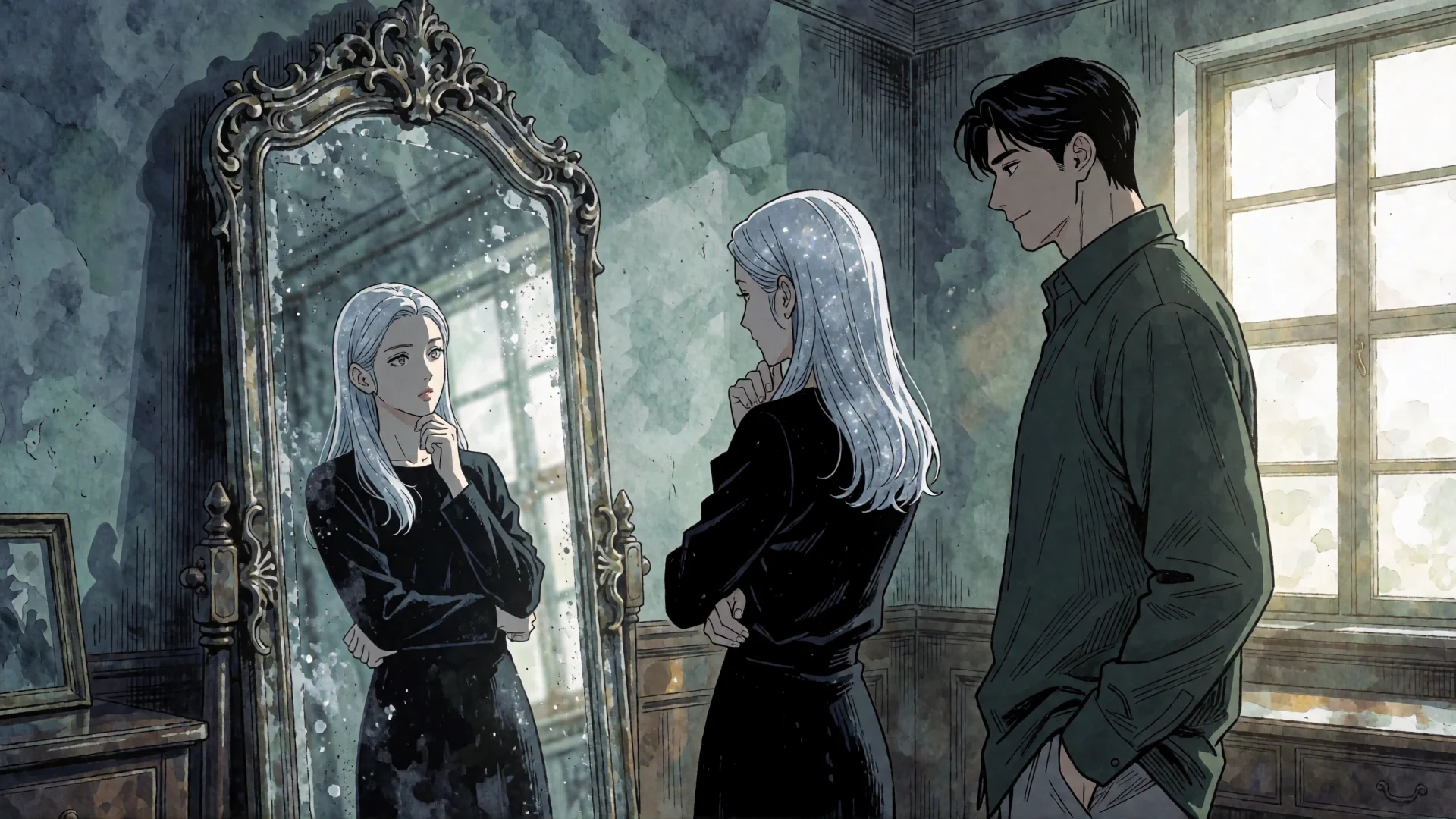
The chapter begins with the Undertaker reflecting on the 'Magic Mirror' from Snow White, noting its function as a database and AI for beauty standards, much like modern social media. The narrative then shifts to a memory from the 7th cycle, where Yu Ji-won visits the Undertaker, who was then working independently after leaving Dang Seo-rin’s guild. Yu Ji-won presents a full-length mirror she found, which, when addressed as 'Mirror, mirror,' responds with 'Please die immediately.' The Undertaker dismisses it as a simple curse and advises her to discard it. However, the curse persists; the next day, the mirror in her bathroom and subsequently the one in Dang Seo-rin’s office both deliver the same death threat. Yu Ji-won realizes the anomaly attaches itself to the first mirror she sees each day rather than a specific object.
The Undertaker observes Yu Ji-won’s silver hair and refined appearance, concluding that she embodies the role of Snow White, causing the anomaly to address her specifically. He notes the mirror’s unusual passivity and its ability to speak countless languages, identifying it as an advanced AI. Centuries later, in the 41st cycle, the dynamic changes. When the Undertaker approaches the mirror, it no longer says 'Please die immediately' but instead instructs him: 'Next time, get infected with Udumbara before dying.' Tests confirm this unique response only occurs for the Undertaker; all others, including Dang Seo-rin, receive the standard death command.
The Undertaker explains that Udumbara is a World Tree monster he defeated earlier, which digests hosts and deletes an Awakener’s Mini-Map ability if infected. This leads to a critical realization for Yu Ji-won: if the Undertaker were infected with Udumbara, the virus might delete his Regression ability entirely, resulting in his permanent death. The chapter ends with this terrifying theoretical possibility hanging over their conversation, highlighting the unique and potentially fatal interaction between the Undertaker and the anomaly.
Guest access includes first 49 of 485 audio chapters. Sign in for Free access.
9:49
Chapter 182
The chapter begins with the Undertaker reflecting on the 'Magic Mirror' from Snow White, noting its function as a database and AI for beauty standards, much like modern social media. The narrative then shifts to a memory from the 7th cycle, where Yu Ji-won visits the Undertaker, who was then working independently after leaving Dang Seo-rin’s guild. Yu Ji-won presents a full-length mirror she found, which, when addressed as 'Mirror, mirror,' responds with 'Please die immediately.' The Undertaker dismisses it as a simple curse and advises her to discard it. However, the curse persists; the next day, the mirror in her bathroom and subsequently the one in Dang Seo-rin’s office both deliver the same death threat. Yu Ji-won realizes the anomaly attaches itself to the first mirror she sees each day rather than a specific object.
The Undertaker observes Yu Ji-won’s silver hair and refined appearance, concluding that she embodies the role of Snow White, causing the anomaly to address her specifically. He notes the mirror’s unusual passivity and its ability to speak countless languages, identifying it as an advanced AI. Centuries later, in the 41st cycle, the dynamic changes. When the Undertaker approaches the mirror, it no longer says 'Please die immediately' but instead instructs him: 'Next time, get infected with Udumbara before dying.' Tests confirm this unique response only occurs for the Undertaker; all others, including Dang Seo-rin, receive the standard death command.
The Undertaker explains that Udumbara is a World Tree monster he defeated earlier, which digests hosts and deletes an Awakener’s Mini-Map ability if infected. This leads to a critical realization for Yu Ji-won: if the Undertaker were infected with Udumbara, the virus might delete his Regression ability entirely, resulting in his permanent death. The chapter ends with this terrifying theoretical possibility hanging over their conversation, highlighting the unique and potentially fatal interaction between the Undertaker and the anomaly.
Guest access includes first 49 of 485 audio chapters. Sign in for Free access.
9:49
 Chapter 183
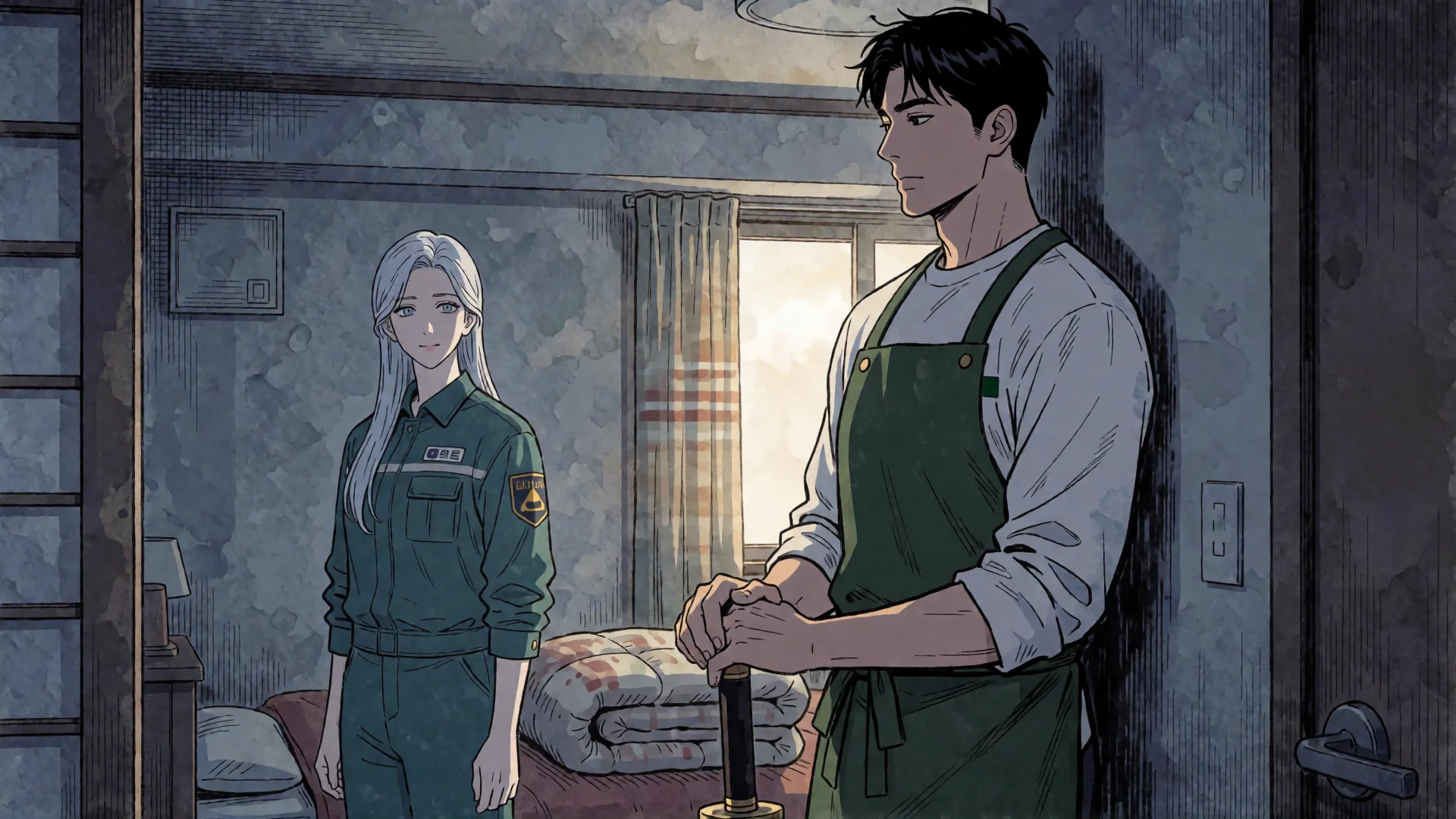
In this chapter, the protagonist, Go Yuir, reflects on the concept of infinite regression and the 'Never Ending Story' hypothesis. He discusses with Yu Ji-won a persistent anomaly: a magic mirror resembling the one from Snow White, which automatically announces 'die' to anyone who approaches it. Yu Ji-won, panicked by the anomaly's prescience, suggests killing it, but Go Yuir explains that destroying it triggers the 'broken windows effect,' causing an exponential rise in other anomalies like voids. He notes that the mirror has evolved its responses over hundreds of cycles. From cycle 117 to 430, it commanded him to 'stuff all newly born lives' and then die by infection with the Udumbara virus. Go Yuir realizes 'stuff' refers to his Time Seal ability, which traps subjects in a happy loop while erasing their existence from memory. He interprets the mirror’s nihilistic advice as a misguided attempt to grant 'ultimate happiness'—non-existence—akin to the myth of King Midas and the half-man, half-beast sage, who taught that the best fate is never being born. Concluding that the mirror, or 'The Sage's Mirror,' wishes for its own silence, Go Yuir covers it with an airplane blanket provided by Yu Ji-won, causing it to fall quiet. The narrative jumps to cycle 593, following the defeat of the Infinite Metagame. Go Yuir checks the mirror in Yu Ji-won’s room for the first time in a long while. Instead of commands to die or seal lives, the mirror simply states, 'Keep living.' When Yu Ji-won enters, Go Yuir hides the change, covers the mirror again, and cheerfully invites her to a barbecue, signaling a profound shift in his outlook.
Guest access includes first 49 of 485 audio chapters. Sign in for Free access.
13:30
Chapter 183
In this chapter, the protagonist, Go Yuir, reflects on the concept of infinite regression and the 'Never Ending Story' hypothesis. He discusses with Yu Ji-won a persistent anomaly: a magic mirror resembling the one from Snow White, which automatically announces 'die' to anyone who approaches it. Yu Ji-won, panicked by the anomaly's prescience, suggests killing it, but Go Yuir explains that destroying it triggers the 'broken windows effect,' causing an exponential rise in other anomalies like voids. He notes that the mirror has evolved its responses over hundreds of cycles. From cycle 117 to 430, it commanded him to 'stuff all newly born lives' and then die by infection with the Udumbara virus. Go Yuir realizes 'stuff' refers to his Time Seal ability, which traps subjects in a happy loop while erasing their existence from memory. He interprets the mirror’s nihilistic advice as a misguided attempt to grant 'ultimate happiness'—non-existence—akin to the myth of King Midas and the half-man, half-beast sage, who taught that the best fate is never being born. Concluding that the mirror, or 'The Sage's Mirror,' wishes for its own silence, Go Yuir covers it with an airplane blanket provided by Yu Ji-won, causing it to fall quiet. The narrative jumps to cycle 593, following the defeat of the Infinite Metagame. Go Yuir checks the mirror in Yu Ji-won’s room for the first time in a long while. Instead of commands to die or seal lives, the mirror simply states, 'Keep living.' When Yu Ji-won enters, Go Yuir hides the change, covers the mirror again, and cheerfully invites her to a barbecue, signaling a profound shift in his outlook.
Guest access includes first 49 of 485 audio chapters. Sign in for Free access.
13:30
 Chapter 184
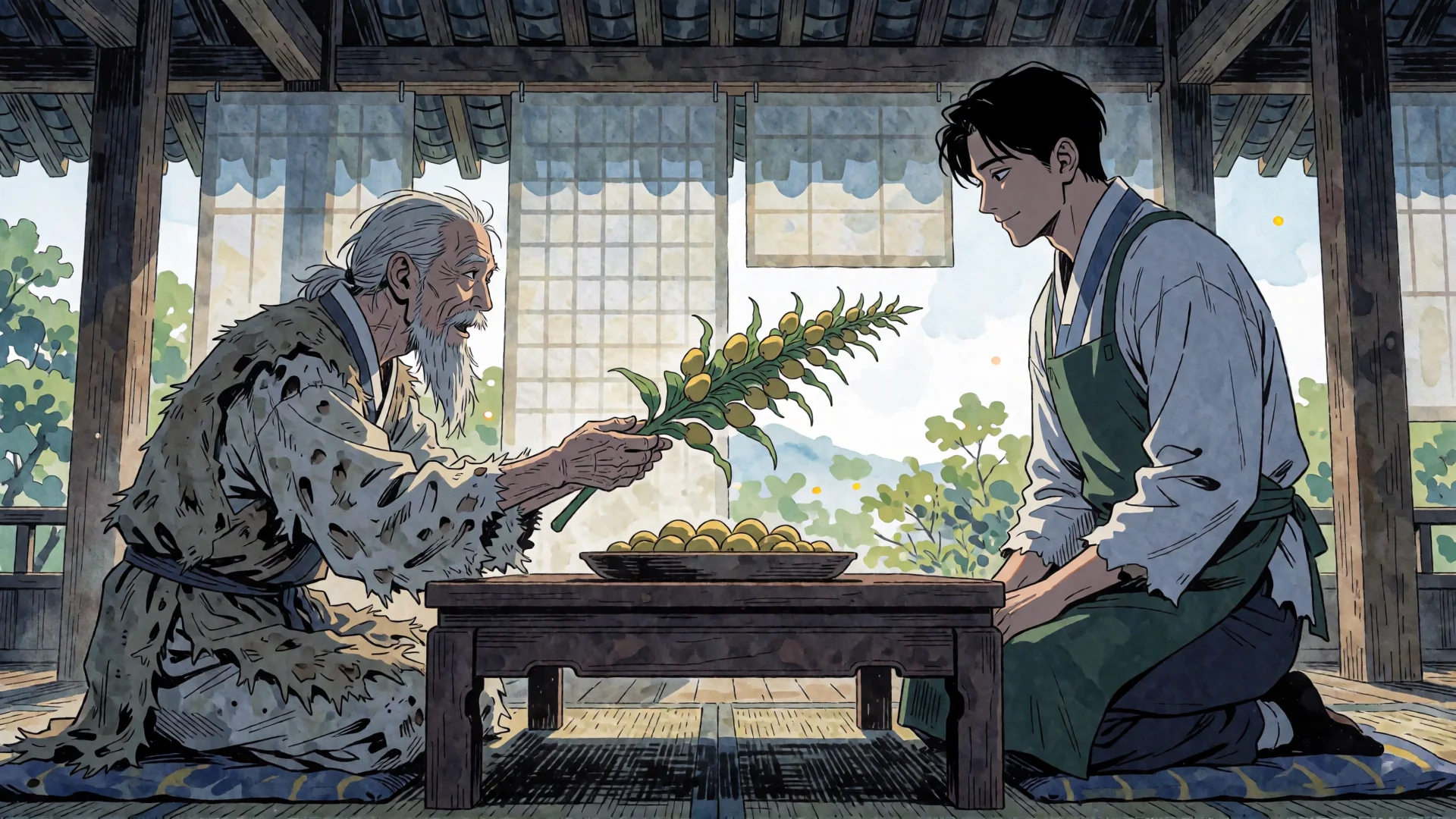
The narrator reflects on the nature of self-reflection, comparing a certain individual to a 'bathroom mirror' that fosters baseless confidence and ignorance. This individual is revealed to be Hong Bi-cheong, the Sword Marquess of Yuldoguk, who introduces himself with grandiose claims of supremacy. He is speaking with the narrator, referred to as 'Brother Undertaker.' The narrator explains the context: it is the 671st cycle, and the Public Officer Noh Do-hwa is bedridden from Void Poison infection, leaving the narrator as the only capable negotiator with the Sword Marquess. The narrator confronts the Sword Marquess about abandoning his duty to tend the Gimhae Plain, which threatens the spring harvest and, consequently, the survival of Busan and the Korean Peninsula's infrastructure. The Sword Marquess dismisses this as mundane but reveals he has a more pressing duty. He presents a plant with a green body and yellow, egg-like segments, claiming it is a 'wicked' substance called opium that harms humanity, though he asserts it lacks the addictive properties of traditional opium. The narrator, recognizing the plant as rice, questions this claim. Logic dictates that a narcotic without addictive properties or side effects is essentially a harmless drug or panacea. The narrator urgently persuades the Sword Marquess to cultivate this 'rice-opium' to settle old grudges with European imperialists. The Sword Marquess initially refuses but, upon the narrator's insistence, agrees to farm it. Within a fortnight, the plant, dubbed 'dopamine' by the narrator, grows rapidly. To verify the Sword Marquess's claim of no side effects, the narrator organizes a test using five prisoners infected with 'Murder Addiction Syndrome.' Using an anomaly room that allows time acceleration via a red button, they subject the prisoners to one-year sentences. After the time jumps, the prisoners emerge physically and mentally healthy, having endured the isolation by consuming the plant. With no negative side effects detected by Sim Ah-ryeon, the narrator immediately orders large-scale cultivation, renaming the plant 'dopamine' and declaring victory. The narrator views the Sword Marquess as a god for providing this key to invincibility.
Guest access includes first 49 of 485 audio chapters. Sign in for Free access.
11:23
Chapter 184
The narrator reflects on the nature of self-reflection, comparing a certain individual to a 'bathroom mirror' that fosters baseless confidence and ignorance. This individual is revealed to be Hong Bi-cheong, the Sword Marquess of Yuldoguk, who introduces himself with grandiose claims of supremacy. He is speaking with the narrator, referred to as 'Brother Undertaker.' The narrator explains the context: it is the 671st cycle, and the Public Officer Noh Do-hwa is bedridden from Void Poison infection, leaving the narrator as the only capable negotiator with the Sword Marquess. The narrator confronts the Sword Marquess about abandoning his duty to tend the Gimhae Plain, which threatens the spring harvest and, consequently, the survival of Busan and the Korean Peninsula's infrastructure. The Sword Marquess dismisses this as mundane but reveals he has a more pressing duty. He presents a plant with a green body and yellow, egg-like segments, claiming it is a 'wicked' substance called opium that harms humanity, though he asserts it lacks the addictive properties of traditional opium. The narrator, recognizing the plant as rice, questions this claim. Logic dictates that a narcotic without addictive properties or side effects is essentially a harmless drug or panacea. The narrator urgently persuades the Sword Marquess to cultivate this 'rice-opium' to settle old grudges with European imperialists. The Sword Marquess initially refuses but, upon the narrator's insistence, agrees to farm it. Within a fortnight, the plant, dubbed 'dopamine' by the narrator, grows rapidly. To verify the Sword Marquess's claim of no side effects, the narrator organizes a test using five prisoners infected with 'Murder Addiction Syndrome.' Using an anomaly room that allows time acceleration via a red button, they subject the prisoners to one-year sentences. After the time jumps, the prisoners emerge physically and mentally healthy, having endured the isolation by consuming the plant. With no negative side effects detected by Sim Ah-ryeon, the narrator immediately orders large-scale cultivation, renaming the plant 'dopamine' and declaring victory. The narrator views the Sword Marquess as a god for providing this key to invincibility.
Guest access includes first 49 of 485 audio chapters. Sign in for Free access.
11:23
 Chapter 185
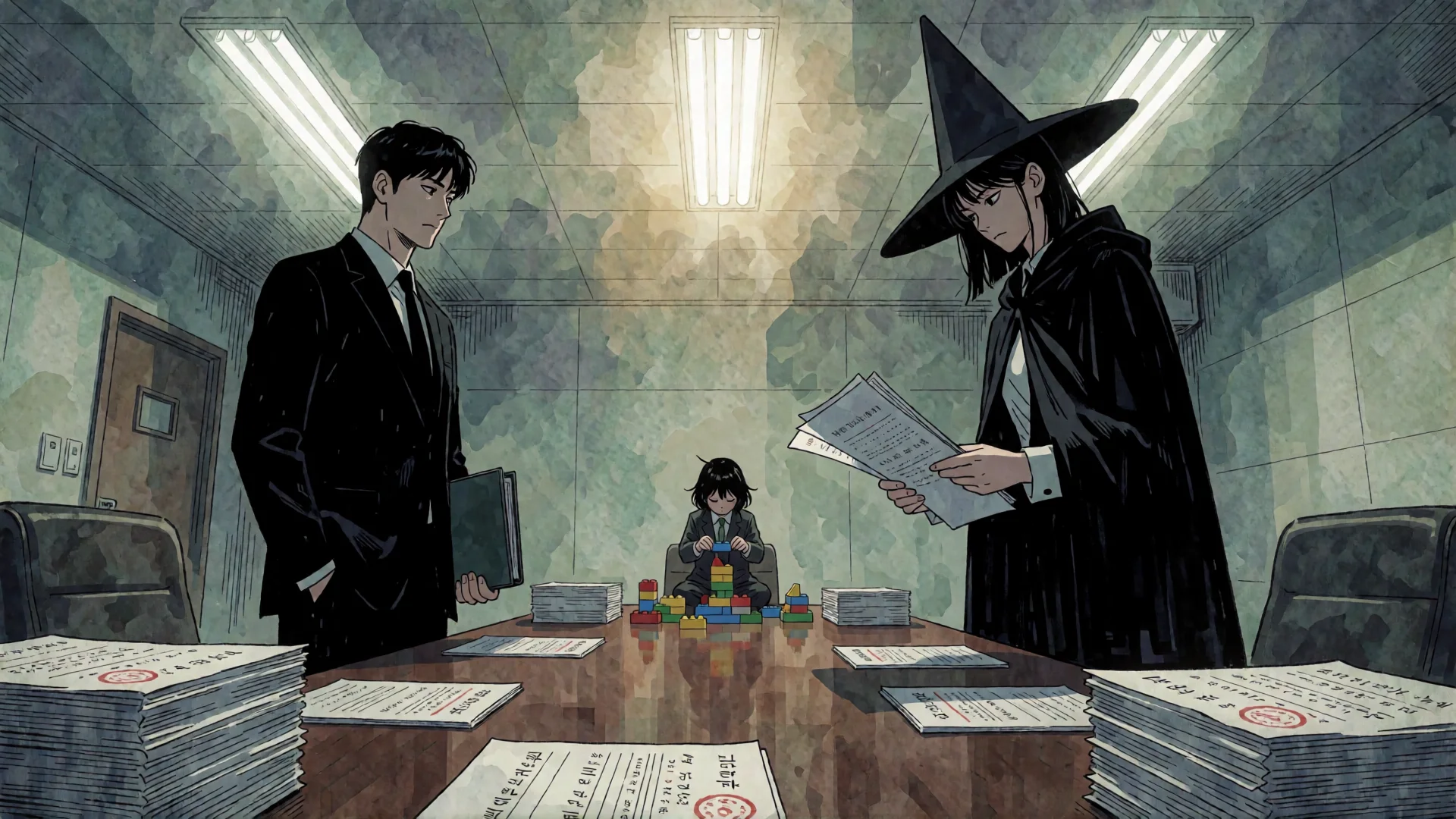
 details the introduction of 'Dofarming,' a revolutionary agricultural system producing 'dopamine' rice that grants consumers overwhelming happiness and high satisfaction, effectively ending widespread depression and crime. Sim Ah-ryeon, formerly the toxic 'OldManGoryeo' on SG Net, experiences genuine joy from eating the rice, leading to a wave of public apologies and even a temporary resignation from her online persona, though she returns a week later. Noh Do-hwa abstains from the crop, viewing it with skepticism despite its social benefits, while the Regressor Undertaker (MC) contemplates whether dopamine could lead humanity to its peak or hide a deeper cost.
A year later, the MC is confronted by Dang Seo-rin with disturbing news: the birth rate in Busan has hit absolute zero. Every pregnancy ends with the fetus shrinking and vanishing around the eighth week, a phenomenon confirmed across all human settlements in Korea, Japan, and beyond. Cheon Yo-hwa corroborates this, noting that babies are not just dying but disappearing entirely. The Regressor Alliance, including Lee Ha-yul and Fairy No. 264, convenes to address the crisis. While the population is blissfully happy, the human race faces extinction due to this reproductive collapse. The MC deduces that an anomaly is interfering with the fetuses, not physically, but internally. Suspecting the babies are experiencing a nightmare-induced trauma, the MC identifies the culprit as a Baku-type anomaly and declares his intention to enter the dreams of the unborn to identify the entity kidnapping humanity's future.
Guest access includes first 49 of 485 audio chapters. Sign in for Free access.
10:20
Chapter 185
Chapter 185 details the introduction of 'Dofarming,' a revolutionary agricultural system producing 'dopamine' rice that grants consumers overwhelming happiness and high satisfaction, effectively ending widespread depression and crime. Sim Ah-ryeon, formerly the toxic 'OldManGoryeo' on SG Net, experiences genuine joy from eating the rice, leading to a wave of public apologies and even a temporary resignation from her online persona, though she returns a week later. Noh Do-hwa abstains from the crop, viewing it with skepticism despite its social benefits, while the Regressor Undertaker (MC) contemplates whether dopamine could lead humanity to its peak or hide a deeper cost.
A year later, the MC is confronted by Dang Seo-rin with disturbing news: the birth rate in Busan has hit absolute zero. Every pregnancy ends with the fetus shrinking and vanishing around the eighth week, a phenomenon confirmed across all human settlements in Korea, Japan, and beyond. Cheon Yo-hwa corroborates this, noting that babies are not just dying but disappearing entirely. The Regressor Alliance, including Lee Ha-yul and Fairy No. 264, convenes to address the crisis. While the population is blissfully happy, the human race faces extinction due to this reproductive collapse. The MC deduces that an anomaly is interfering with the fetuses, not physically, but internally. Suspecting the babies are experiencing a nightmare-induced trauma, the MC identifies the culprit as a Baku-type anomaly and declares his intention to enter the dreams of the unborn to identify the entity kidnapping humanity's future.
Guest access includes first 49 of 485 audio chapters. Sign in for Free access.
10:20
 Chapter 186
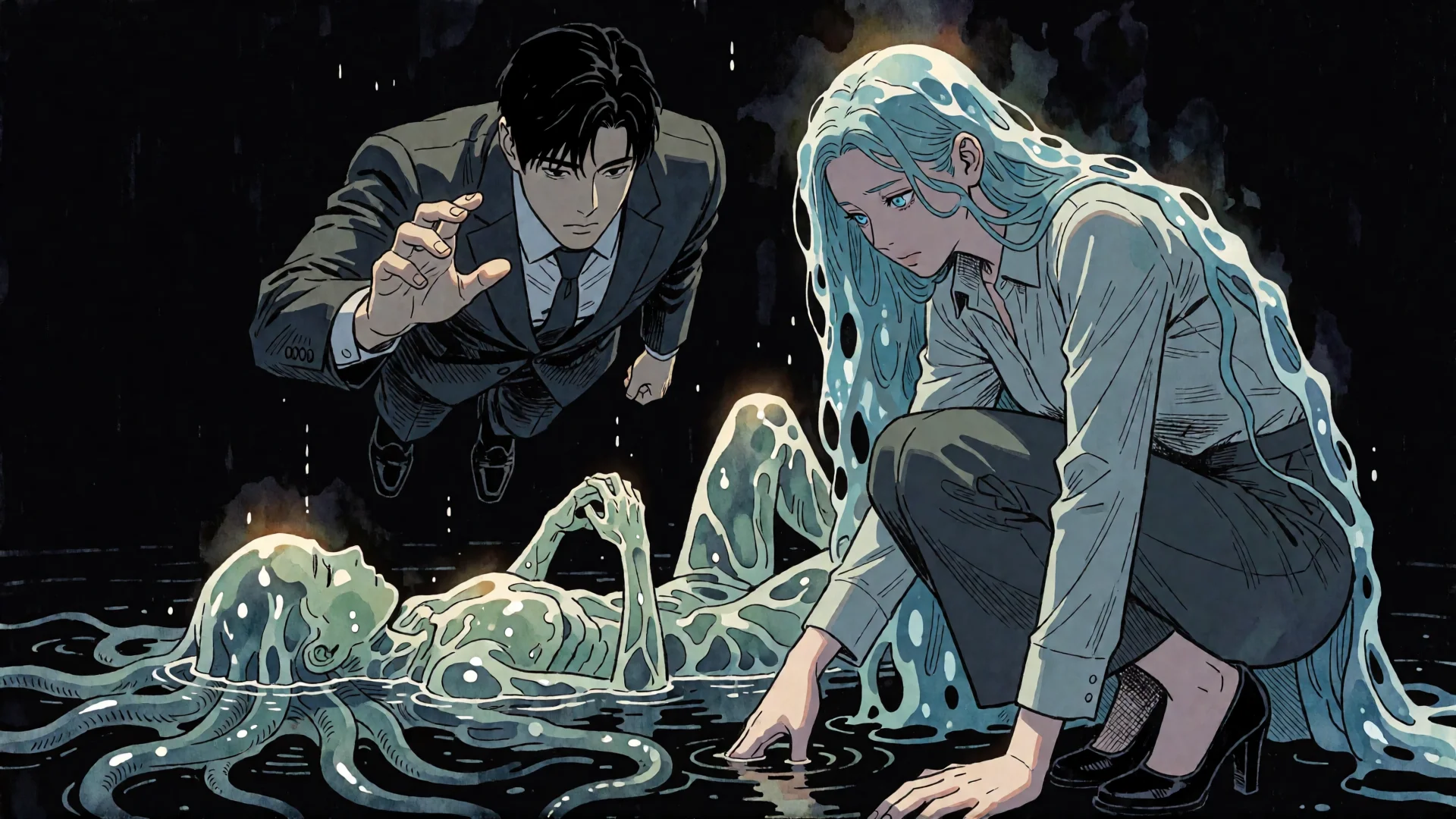
In a conference room, the MC proposes a low birth rate policy: entering a fetus's dream via the 'Baku' to exterminate a mysterious monster causing a 0% birth rate. Fairy No. 264 objects, explaining that fetal dreams are sensory experiences dominated by sound (heartbeat, voice) rather than vision, making it dangerous for an adult stranger to enter. She suggests increasing success rates by using a parent's voice or, preferably, inviting the fetus into the adult's dream instead. The MC adopts this reverse approach, designing his dream to mimic fetal sensory input—darkness, water smells, and white noise—to achieve a 90% success rate. Volunteers are sought, and a 25-week pregnant woman, later identified as Jeong Seo-ah, agrees, demanding the monster be destroyed. Thirty-six fairies lead a ritual with the MC and Jeong Seo-ah; despite a nonsensical lullaby, the MC’s consciousness sinks into a dream level two stories underground. Inside, the MC experiences the fetal world: total darkness interpreted through sound, where water and the umbilical cord feel like part of the body. He witnesses the monster, which resembles the adult Jeong Seo-ah, approaching the fetus. The monster manipulates the fetus by claiming its father died in the Void and that the mother is suffering from dopamine withdrawal, then taints the amniotic fluid with black substance. The MC realizes the horrifying truth: dopamine’s side effects and misfortunes are not eliminated but transferred to the unborn children, sacrificing the next generation to maintain the current population's happiness.
Guest access includes first 49 of 485 audio chapters. Sign in for Free access.
11:27
Chapter 186
In a conference room, the MC proposes a low birth rate policy: entering a fetus's dream via the 'Baku' to exterminate a mysterious monster causing a 0% birth rate. Fairy No. 264 objects, explaining that fetal dreams are sensory experiences dominated by sound (heartbeat, voice) rather than vision, making it dangerous for an adult stranger to enter. She suggests increasing success rates by using a parent's voice or, preferably, inviting the fetus into the adult's dream instead. The MC adopts this reverse approach, designing his dream to mimic fetal sensory input—darkness, water smells, and white noise—to achieve a 90% success rate. Volunteers are sought, and a 25-week pregnant woman, later identified as Jeong Seo-ah, agrees, demanding the monster be destroyed. Thirty-six fairies lead a ritual with the MC and Jeong Seo-ah; despite a nonsensical lullaby, the MC’s consciousness sinks into a dream level two stories underground. Inside, the MC experiences the fetal world: total darkness interpreted through sound, where water and the umbilical cord feel like part of the body. He witnesses the monster, which resembles the adult Jeong Seo-ah, approaching the fetus. The monster manipulates the fetus by claiming its father died in the Void and that the mother is suffering from dopamine withdrawal, then taints the amniotic fluid with black substance. The MC realizes the horrifying truth: dopamine’s side effects and misfortunes are not eliminated but transferred to the unborn children, sacrificing the next generation to maintain the current population's happiness.
Guest access includes first 49 of 485 audio chapters. Sign in for Free access.
11:27
 Chapter 187
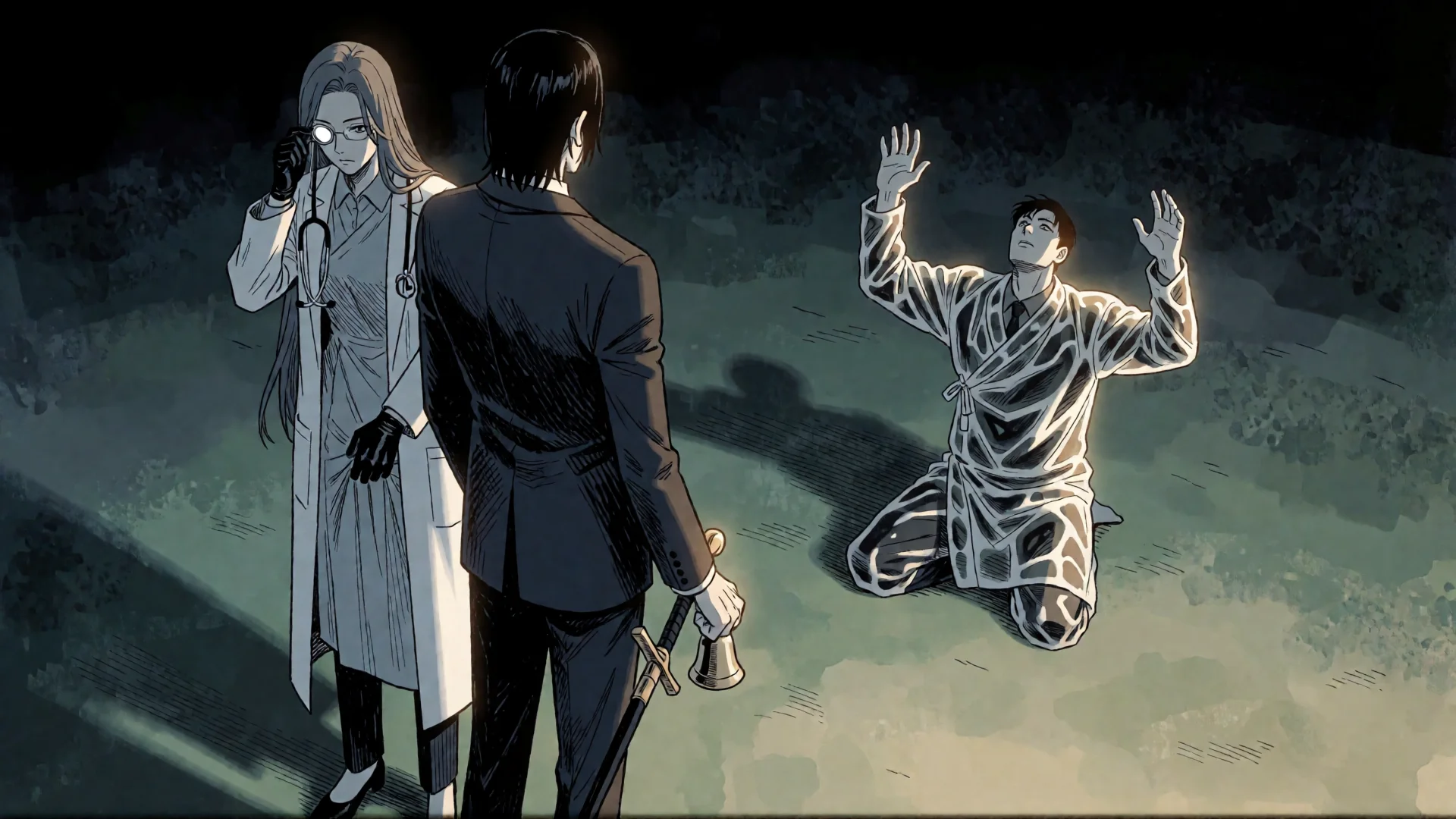
In the dreamscape, an anomaly mimicking Jeong Seo-Ah converses with the fetus, offering to transfer her family's accumulated suffering into her body in exchange for taking dopamine to ignore the world's pain. The anomaly argues that true humanity is defined by the capacity for misery and competition over suffering, claiming the unborn child should reject such a burdensome reality. Fairy No. 264 identifies the emotional weight in the colored amniotic fluid showing the fetus's relatives' pain. The protagonist, mc_narration (Undertaker), interrupts the ritual by severing the anomaly's forearm, which regenerates instantly. The anomaly, resembling Jeong Seo-Ah, claims intelligence and humanity, accusing the humans of losing their qualification to be human by seeking dopamine. It declares its intent to become the new human race within dreams. mc_narration refutes this by citing Noh Do-hwa as proof that some humans reject dopamine and possess true humanity, striking the anomaly again. As the anomaly attempts to flee, mc_narration cuts off its leg, retrieves Jeong Seo-Ah, and questions the anomaly's sudden plea for life after condemning the fetus to suffering. Recognizing the anomaly's genuine envy for life, mc_narration offers a choice via the Silver Bell: accept eternal bliss in a looped memory of happiness in exchange for being forgotten by the world and sealed in a tombstone of time. The anomaly, realizing it has no happy memories and preferring the illusion of happiness over its miserable existence, consents. It is sealed, and the collective memory of dopamine is erased from humanity, leaving Noh Do-hwa as the only known holdout against the drug. Later, mc_narration reflects on the nature of happiness with Noh Do-hwa, who pragmatically rejects universal dopamine for the sake of contingency and individuality. In a final epilogue, mc_narration visits the crystal tombstone of the sealed anomaly within the dream. The anomaly is trapped in an infinite loop of its 'happiest' moment—its own suicide. Mc_narration observes this paradox, concluding that the anomaly was excessively human in its desire to escape its inherent suffering.
Guest access includes first 49 of 485 audio chapters. Sign in for Free access.
15:54
Chapter 187
In the dreamscape, an anomaly mimicking Jeong Seo-Ah converses with the fetus, offering to transfer her family's accumulated suffering into her body in exchange for taking dopamine to ignore the world's pain. The anomaly argues that true humanity is defined by the capacity for misery and competition over suffering, claiming the unborn child should reject such a burdensome reality. Fairy No. 264 identifies the emotional weight in the colored amniotic fluid showing the fetus's relatives' pain. The protagonist, mc_narration (Undertaker), interrupts the ritual by severing the anomaly's forearm, which regenerates instantly. The anomaly, resembling Jeong Seo-Ah, claims intelligence and humanity, accusing the humans of losing their qualification to be human by seeking dopamine. It declares its intent to become the new human race within dreams. mc_narration refutes this by citing Noh Do-hwa as proof that some humans reject dopamine and possess true humanity, striking the anomaly again. As the anomaly attempts to flee, mc_narration cuts off its leg, retrieves Jeong Seo-Ah, and questions the anomaly's sudden plea for life after condemning the fetus to suffering. Recognizing the anomaly's genuine envy for life, mc_narration offers a choice via the Silver Bell: accept eternal bliss in a looped memory of happiness in exchange for being forgotten by the world and sealed in a tombstone of time. The anomaly, realizing it has no happy memories and preferring the illusion of happiness over its miserable existence, consents. It is sealed, and the collective memory of dopamine is erased from humanity, leaving Noh Do-hwa as the only known holdout against the drug. Later, mc_narration reflects on the nature of happiness with Noh Do-hwa, who pragmatically rejects universal dopamine for the sake of contingency and individuality. In a final epilogue, mc_narration visits the crystal tombstone of the sealed anomaly within the dream. The anomaly is trapped in an infinite loop of its 'happiest' moment—its own suicide. Mc_narration observes this paradox, concluding that the anomaly was excessively human in its desire to escape its inherent suffering.
Guest access includes first 49 of 485 audio chapters. Sign in for Free access.
15:54
 Chapter 188
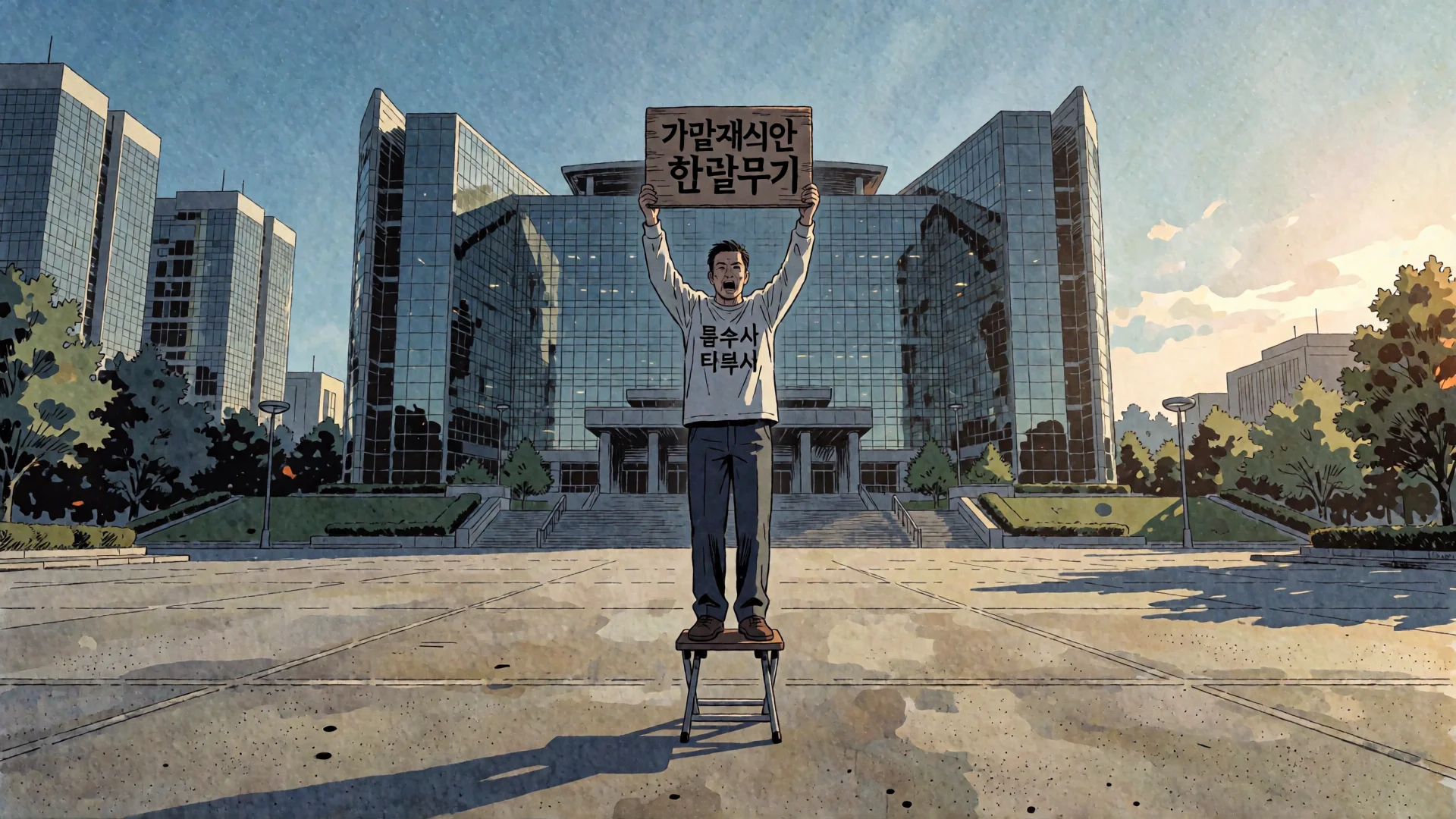
The narrator, the Undertaker, opens by reinterpreting the proverb 'Crisis is an opportunity' into the harsher truth: 'Find an opportunity in a crisis. If you can't, then you'll die.' In the apocalypse, professions like politicians, physicists, and journalists have vanished, with the sole exception of Jo Yeong-su, the last journalist in the Republic of Korea. To the citizens of Busan, however, he is known not as a journalist but as the 'crazy guy in the square,' a middle-aged man who stands outside the National Road Management Corps headquarters daily, shouting for Dictator Noh Do-hwa to step down. He wears an armored shirt printed with the text of the Korean Constitution, embodying a rigid adherence to democratic principles that stands in stark contrast to the survivalist reality of the new world. Despite being detested by the Corps for his noise and political nagging, Jo Yeong-su remains unharmed due to the indifference of Noh Do-hwa and Yu Ji-won, who view his protests as insignificant, akin to a wriggling caterpillar. Jo Yeong-su is an Awakener, though his ability—to light a lighter with his finger—is trivial, granting him only SG Net access, which becomes his true medium for activism.
On SG Net, Jo Yeong-su posts anonymously as '-Anonymous,' denouncing the National Road Management Corps and large guilds for ruling without legitimate procedures, constitutions, or legal basis, calling their actions illegal taxation and protection fees. He argues that force cannot sustain power for a century without legal agreement, citing the former constitution as a necessary standard. However, the SG Net community mocks him. They ridicule his idealism, pointing out that the Republic of Korea collapsed less than 100 years after its founding and that survival, not democracy, is the current priority. He earns the mocking nickname 'Old-timer' (alongside Noh Do-hwa's title 'OldManGoryeo'). The two engage in a nightly debate on SG Net. Jo insists on public opinion and media as tools for accountability, but OldManGoryeo counters that no media exists in this era. OldManGoryeo delivers a final jab: 'Oh, gotcha. But we don't have any media or news in our proud Republic of Korea, do we? lmao...' Jo Yeong-su falls silent for minutes, unable to refute this factual void. OldManGoryeo moves on, unaware that his dismissal of media has inadvertently birthed the possibility of reviving journalism, as Jo Yeong-su remains the sole vessel for such truth in the region.
Guest access includes first 49 of 485 audio chapters. Sign in for Free access.
13:44
Chapter 188
The narrator, the Undertaker, opens by reinterpreting the proverb 'Crisis is an opportunity' into the harsher truth: 'Find an opportunity in a crisis. If you can't, then you'll die.' In the apocalypse, professions like politicians, physicists, and journalists have vanished, with the sole exception of Jo Yeong-su, the last journalist in the Republic of Korea. To the citizens of Busan, however, he is known not as a journalist but as the 'crazy guy in the square,' a middle-aged man who stands outside the National Road Management Corps headquarters daily, shouting for Dictator Noh Do-hwa to step down. He wears an armored shirt printed with the text of the Korean Constitution, embodying a rigid adherence to democratic principles that stands in stark contrast to the survivalist reality of the new world. Despite being detested by the Corps for his noise and political nagging, Jo Yeong-su remains unharmed due to the indifference of Noh Do-hwa and Yu Ji-won, who view his protests as insignificant, akin to a wriggling caterpillar. Jo Yeong-su is an Awakener, though his ability—to light a lighter with his finger—is trivial, granting him only SG Net access, which becomes his true medium for activism.
On SG Net, Jo Yeong-su posts anonymously as '-Anonymous,' denouncing the National Road Management Corps and large guilds for ruling without legitimate procedures, constitutions, or legal basis, calling their actions illegal taxation and protection fees. He argues that force cannot sustain power for a century without legal agreement, citing the former constitution as a necessary standard. However, the SG Net community mocks him. They ridicule his idealism, pointing out that the Republic of Korea collapsed less than 100 years after its founding and that survival, not democracy, is the current priority. He earns the mocking nickname 'Old-timer' (alongside Noh Do-hwa's title 'OldManGoryeo'). The two engage in a nightly debate on SG Net. Jo insists on public opinion and media as tools for accountability, but OldManGoryeo counters that no media exists in this era. OldManGoryeo delivers a final jab: 'Oh, gotcha. But we don't have any media or news in our proud Republic of Korea, do we? lmao...' Jo Yeong-su falls silent for minutes, unable to refute this factual void. OldManGoryeo moves on, unaware that his dismissal of media has inadvertently birthed the possibility of reviving journalism, as Jo Yeong-su remains the sole vessel for such truth in the region.
Guest access includes first 49 of 485 audio chapters. Sign in for Free access.
13:44
 Chapter 189
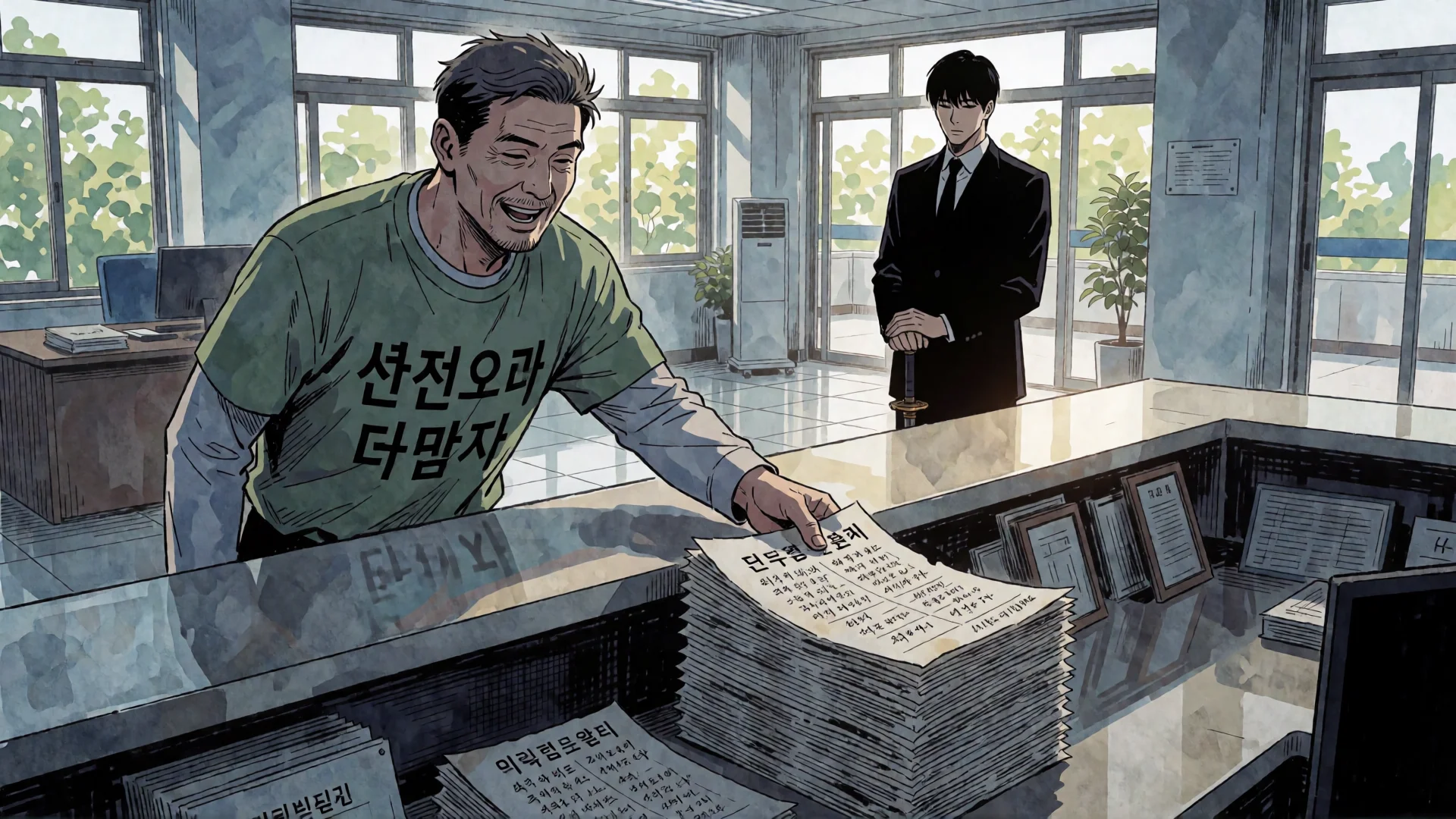
Members of the National Road Management Corps (Corps) arrive at headquarters, nicknamed the Tower of Babel, feeling a strange sense of emptiness due to the absence of Jo Yeong-su, a protester who has daily demanded Noh Do-hwa’s resignation for months. Once Jo vanishes, the plaza feels cleaner and more peaceful, and the Corps members enjoy a quiet commute without his constant yelling. However, fifteen days later, Jo returns, beaming, and presents a thick stack of documents to the reception desk. He explains these are results from a public opinion survey asking citizens if Noh Do-hwa’s rule as de facto leader is legitimate. Jo argues passionately that despite 59.7% indifference and only 7.1% negative votes, the dissent represents a vital cry of the masses against dictatorship. The receptionist, startled by the term, attempts to dismiss him, but Jo insists the Corps cannot ignore minority voices. The receptionist agrees to forward the data to the commander.
The narrator, the Undertaker, reveals he is observing because Jo is secretly supported by Jeong Ye-ji (the Saintess). The Saintess believes that while she disagrees with restoring the fallen government, institutions like Jo’s survey help reflect ordinary people’s voices, which the SG Net cannot do since only Awakeners access it. The Undertaker, however, views Jo’s actions with skepticism. Having lost his memories of pre-apocalypse Korea, he feels no nostalgia for the nation. He believes democratic processes are vulnerable to anomalies; a constitution would likely be corrupted, and voting would include non-existent entities, creating fatal flaws. The Undertaker argues that concentrating power in Noh Do-hwa is a necessary risk-management strategy, as she can be monitored 24/7 by the Saintess’s Clairvoyance, unlike ordinary citizens who lack protection.
Despite the Undertaker’s disinterest and philosophical objections, both the Saintess and Noh Do-hwa tolerate Jo’s antics. Noh Do-hwa, filing her nails with a trash can on her lap, muses that Jo’s nostalgia is strange, perhaps confusing nostalgia for a past civilized lifestyle with loyalty to the nation itself. Over time, Jo continues to protest in the plaza, wearing relic armor inscribed with the Constitution. The Corps members, initially annoyed, grow accustomed to him. They begin dropping scraps of used paper into a cardboard box at his feet, treating him like a street performer. The environment becomes one of casual camaraderie; staff chat about food and duties while tossing paper to Jo. Even Yu Ji-won, who maintains an unreadable expression, leaves without acknowledging him. By night, Jo returns to his shack with thick stacks of collected paper, the volume of which symbolically mirrors the size of the former Republic of Korea.
Guest access includes first 49 of 485 audio chapters. Sign in for Free access.
14:56
Chapter 189
Members of the National Road Management Corps (Corps) arrive at headquarters, nicknamed the Tower of Babel, feeling a strange sense of emptiness due to the absence of Jo Yeong-su, a protester who has daily demanded Noh Do-hwa’s resignation for months. Once Jo vanishes, the plaza feels cleaner and more peaceful, and the Corps members enjoy a quiet commute without his constant yelling. However, fifteen days later, Jo returns, beaming, and presents a thick stack of documents to the reception desk. He explains these are results from a public opinion survey asking citizens if Noh Do-hwa’s rule as de facto leader is legitimate. Jo argues passionately that despite 59.7% indifference and only 7.1% negative votes, the dissent represents a vital cry of the masses against dictatorship. The receptionist, startled by the term, attempts to dismiss him, but Jo insists the Corps cannot ignore minority voices. The receptionist agrees to forward the data to the commander.
The narrator, the Undertaker, reveals he is observing because Jo is secretly supported by Jeong Ye-ji (the Saintess). The Saintess believes that while she disagrees with restoring the fallen government, institutions like Jo’s survey help reflect ordinary people’s voices, which the SG Net cannot do since only Awakeners access it. The Undertaker, however, views Jo’s actions with skepticism. Having lost his memories of pre-apocalypse Korea, he feels no nostalgia for the nation. He believes democratic processes are vulnerable to anomalies; a constitution would likely be corrupted, and voting would include non-existent entities, creating fatal flaws. The Undertaker argues that concentrating power in Noh Do-hwa is a necessary risk-management strategy, as she can be monitored 24/7 by the Saintess’s Clairvoyance, unlike ordinary citizens who lack protection.
Despite the Undertaker’s disinterest and philosophical objections, both the Saintess and Noh Do-hwa tolerate Jo’s antics. Noh Do-hwa, filing her nails with a trash can on her lap, muses that Jo’s nostalgia is strange, perhaps confusing nostalgia for a past civilized lifestyle with loyalty to the nation itself. Over time, Jo continues to protest in the plaza, wearing relic armor inscribed with the Constitution. The Corps members, initially annoyed, grow accustomed to him. They begin dropping scraps of used paper into a cardboard box at his feet, treating him like a street performer. The environment becomes one of casual camaraderie; staff chat about food and duties while tossing paper to Jo. Even Yu Ji-won, who maintains an unreadable expression, leaves without acknowledging him. By night, Jo returns to his shack with thick stacks of collected paper, the volume of which symbolically mirrors the size of the former Republic of Korea.
Guest access includes first 49 of 485 audio chapters. Sign in for Free access.
14:56
 Chapter 190
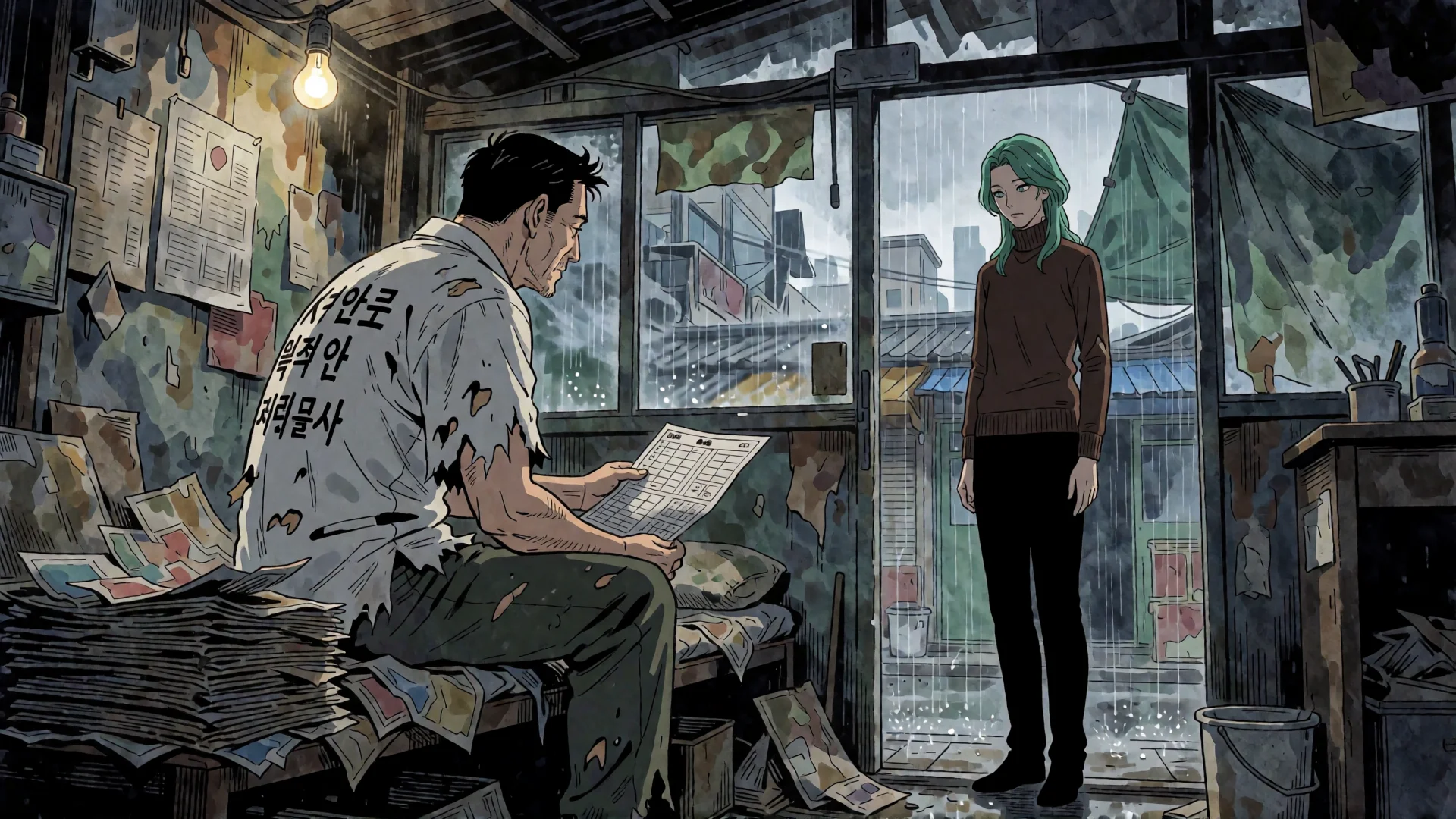
The chapter begins by reflecting on the historical pattern of failed revival movements on the Korean Peninsula, noting that the 'Republic of Korea Revival Movement' initiated by Jo Yeong-su is no exception. For seven years, Jo Yeong-su has operated alone, holding protests and conducting surveys demanding the resignation of Dictator Noh Do-hwa, the dissolution of dynastic guild rule, and the establishment of a National Assembly. Despite his persistence, he gains no members. Survivors mock him or humiliate him with superficial kindness, treating him as an entertainer rather than a political threat. Online SG Net users mock him as the 'Constitution Parrot' or a 'clown,' though some express sympathy.
A narrator, identified through dialogue as a mentor figure or older observer, intervenes after finding Jo Yeong-su drunk at a pojangmacha. The narrator warns Jo that public kindness is merely charity and that his activism is viewed as entertainment. He advises Jo that his genuine nature has carved out a niche as a 'clown' or performer in a society that has moved past serious democratic nostalgia. The narrator urges Jo to accept his role and focus on making people happy, arguing that his current perspective is too self-centered and outdated for the current era. Jo Yeong-su, aging prematurely from stress and alcohol, dismisses the advice initially, insisting on his seriousness, but eventually succumbs to unconsciousness. The narrator pays for the drinks and carries the drunk Jo back to his dilapidated shack made of tarpaulins and waste paper, where Jo protects thousands of survey sheets from the rain despite having no proper bed.
The narrator observes Jo’s notes from the 91st Public Opinion Survey, which previously attempted to address complex issues like the separation of powers with dense, detailed questions. However, the narrator notices a significant shift. The new survey question is drastically simplified to a binary choice: 'Has the nation of Korea collapsed?' The narrator realizes that Jo’s mindset has changed. The complex political theorizing is gone, replaced by a singular, desperate focus on the foundational reality of the state's existence.
Jo Yeong-su launches a frantic, almost unhinged campaign to answer this new question. He abandons his previous method of selecting representative samples, instead aggressively soliciting responses from anyone available, including five-year-old children, whom he bribes with money. He registers on SG Net under his real name, violating his previous anonymous stance, and pleads with users to participate. Shopkeepers and National Road Management Corps members are pressured to include the survey in their daily interactions. Within fifteen months, Jo collects responses from 120,000 residents in Busan alone.
The campaign does not end in Busan. Jo Yeong-su moves to Changwon, joining a caravan of the National Road Management Corps, and begins traveling across the Korean Peninsula to survey residents in other cities. The narrator is astonished by this transformation, observing that Jo is no longer just a local protester but a nomadic surveyor aiming to poll the entire peninsula, effectively acting with the reach and resources of a major organization despite having no official power.
Guest access includes first 49 of 485 audio chapters. Sign in for Free access.
11:14
Chapter 190
The chapter begins by reflecting on the historical pattern of failed revival movements on the Korean Peninsula, noting that the 'Republic of Korea Revival Movement' initiated by Jo Yeong-su is no exception. For seven years, Jo Yeong-su has operated alone, holding protests and conducting surveys demanding the resignation of Dictator Noh Do-hwa, the dissolution of dynastic guild rule, and the establishment of a National Assembly. Despite his persistence, he gains no members. Survivors mock him or humiliate him with superficial kindness, treating him as an entertainer rather than a political threat. Online SG Net users mock him as the 'Constitution Parrot' or a 'clown,' though some express sympathy.
A narrator, identified through dialogue as a mentor figure or older observer, intervenes after finding Jo Yeong-su drunk at a pojangmacha. The narrator warns Jo that public kindness is merely charity and that his activism is viewed as entertainment. He advises Jo that his genuine nature has carved out a niche as a 'clown' or performer in a society that has moved past serious democratic nostalgia. The narrator urges Jo to accept his role and focus on making people happy, arguing that his current perspective is too self-centered and outdated for the current era. Jo Yeong-su, aging prematurely from stress and alcohol, dismisses the advice initially, insisting on his seriousness, but eventually succumbs to unconsciousness. The narrator pays for the drinks and carries the drunk Jo back to his dilapidated shack made of tarpaulins and waste paper, where Jo protects thousands of survey sheets from the rain despite having no proper bed.
The narrator observes Jo’s notes from the 91st Public Opinion Survey, which previously attempted to address complex issues like the separation of powers with dense, detailed questions. However, the narrator notices a significant shift. The new survey question is drastically simplified to a binary choice: 'Has the nation of Korea collapsed?' The narrator realizes that Jo’s mindset has changed. The complex political theorizing is gone, replaced by a singular, desperate focus on the foundational reality of the state's existence.
Jo Yeong-su launches a frantic, almost unhinged campaign to answer this new question. He abandons his previous method of selecting representative samples, instead aggressively soliciting responses from anyone available, including five-year-old children, whom he bribes with money. He registers on SG Net under his real name, violating his previous anonymous stance, and pleads with users to participate. Shopkeepers and National Road Management Corps members are pressured to include the survey in their daily interactions. Within fifteen months, Jo collects responses from 120,000 residents in Busan alone.
The campaign does not end in Busan. Jo Yeong-su moves to Changwon, joining a caravan of the National Road Management Corps, and begins traveling across the Korean Peninsula to survey residents in other cities. The narrator is astonished by this transformation, observing that Jo is no longer just a local protester but a nomadic surveyor aiming to poll the entire peninsula, effectively acting with the reach and resources of a major organization despite having no official power.
Guest access includes first 49 of 485 audio chapters. Sign in for Free access.
11:14
 Chapter 191
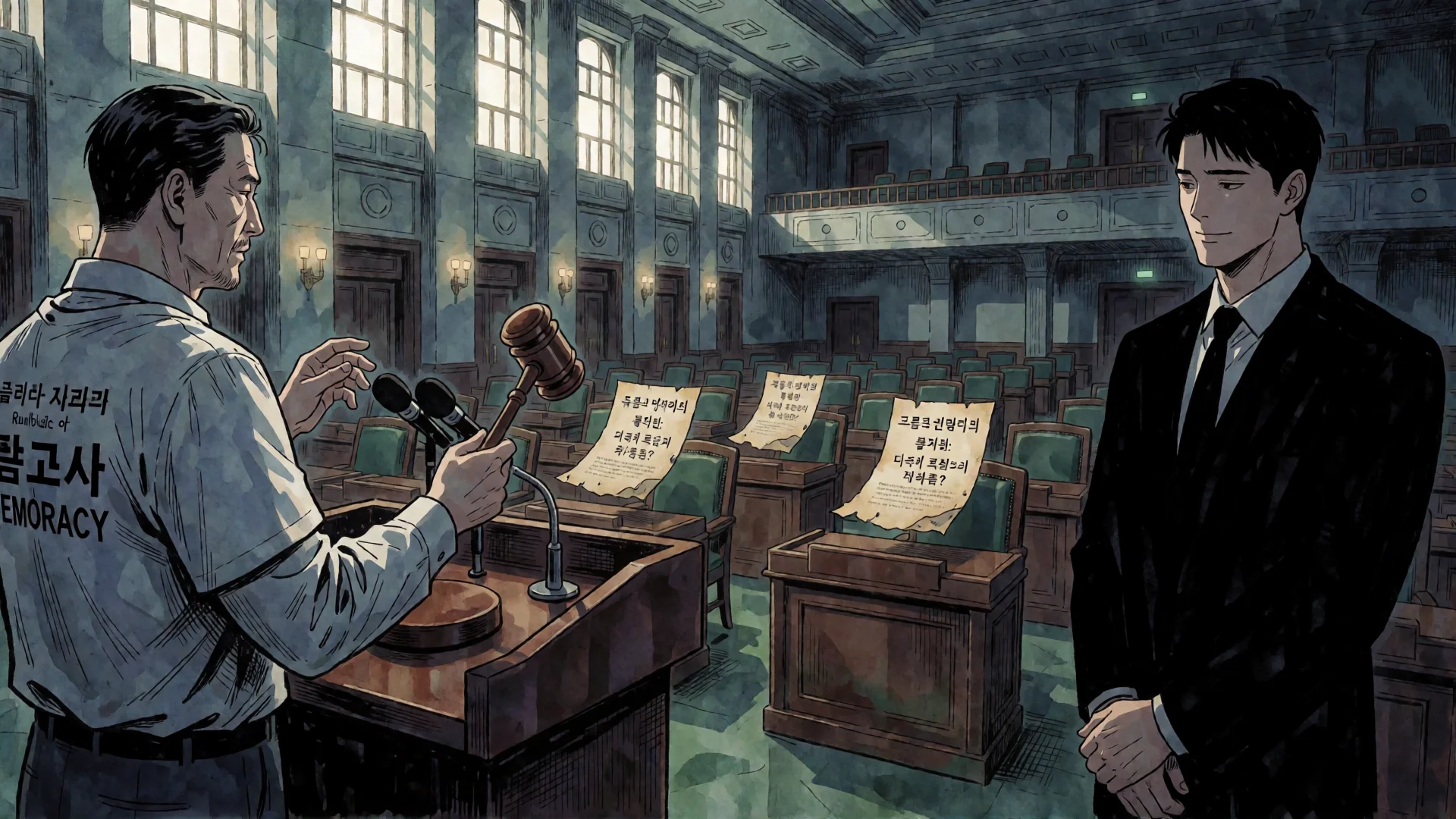
The narrative begins by contrasting the idealized image of Jo Yeong-su’s journey to conduct a nationwide public opinion survey with the grim reality: he died lost in the Void after three days, stranded near the Hwangsan River. The citizenry reacted to his death with indifference, quickly returning to their daily struggles. The narrator, Mr. Undertaker, reveals to the Saintess (Sim Ah-ryeon) that he deliberately altered the timeline to ensure Jo Yeong-su’s success in the new cycle, having been intrigued by the Saintess’s previous interest in the activist.
In this revised cycle, Mr. Undertaker personally sees Jo Yeong-su off from Busan. Using his influence, he secures Jo Yeong-su passage with a caravan and gifts him a mobile yogurt cart, ensuring his safety and mobility. The Saintess monitors him from afar while Sim Ah-ryeon, the Saintess of the North, grants him monk status to traverse North Korean territories. Over the course of 2,211 days (approximately six years), Jo Yeong-su surveys the entire peninsula, from Busan to Sinuiju. His journey is driven by a deep-seated shame over his Pungyang Jo ancestral lineage, whom he blames for Korea’s historical ruin; he seeks to validate the nation’s continued existence through the voices of its people.
Upon completing the survey, Jo Yeong-su does not return to Busan but travels by boat to Seoul. He reunites with Mr. Undertaker, who is fishing near the National Assembly Building. Though frail and aged, Jo Yeong-su insists on entering the building, which Mr. Undertaker warns is a Void. Undeterred, Jo Yeong-su proceeds inside with the Undertaker’s assistance, dodging minor creatures. Inside the empty assembly hall, Jo Yeong-su conducts a mock parliamentary session. He distributes survey papers to the vacant seats, announcing that over 99.99% of the 3.1 million respondents believe the Republic of Korea has perished. Only 33 citizens voted that it had not perished. Delegated authority by these 33 individuals, Jo Yeong-su officially declares the Republic of Korea dead, striking a gavel. The narrator alone hears phantom applause and flashes, realizing Jo Yeong-su has performed the funeral rites for the nation. Following this declaration, Jo Yeong-su ceases his activism, living out his final days in poverty. He dies, and Mr. Undertaker serves as the chief mourner. Noh Do-hwa visits, criticizing the modest funeral but eventually joining the Undertaker for beef soup. Jo Yeong-su is cremated, and his ashes scattered in a sea tomb, marking the final epilogue to the Korean nation.
Guest access includes first 49 of 485 audio chapters. Sign in for Free access.
21:22
Chapter 191
The narrative begins by contrasting the idealized image of Jo Yeong-su’s journey to conduct a nationwide public opinion survey with the grim reality: he died lost in the Void after three days, stranded near the Hwangsan River. The citizenry reacted to his death with indifference, quickly returning to their daily struggles. The narrator, Mr. Undertaker, reveals to the Saintess (Sim Ah-ryeon) that he deliberately altered the timeline to ensure Jo Yeong-su’s success in the new cycle, having been intrigued by the Saintess’s previous interest in the activist.
In this revised cycle, Mr. Undertaker personally sees Jo Yeong-su off from Busan. Using his influence, he secures Jo Yeong-su passage with a caravan and gifts him a mobile yogurt cart, ensuring his safety and mobility. The Saintess monitors him from afar while Sim Ah-ryeon, the Saintess of the North, grants him monk status to traverse North Korean territories. Over the course of 2,211 days (approximately six years), Jo Yeong-su surveys the entire peninsula, from Busan to Sinuiju. His journey is driven by a deep-seated shame over his Pungyang Jo ancestral lineage, whom he blames for Korea’s historical ruin; he seeks to validate the nation’s continued existence through the voices of its people.
Upon completing the survey, Jo Yeong-su does not return to Busan but travels by boat to Seoul. He reunites with Mr. Undertaker, who is fishing near the National Assembly Building. Though frail and aged, Jo Yeong-su insists on entering the building, which Mr. Undertaker warns is a Void. Undeterred, Jo Yeong-su proceeds inside with the Undertaker’s assistance, dodging minor creatures. Inside the empty assembly hall, Jo Yeong-su conducts a mock parliamentary session. He distributes survey papers to the vacant seats, announcing that over 99.99% of the 3.1 million respondents believe the Republic of Korea has perished. Only 33 citizens voted that it had not perished. Delegated authority by these 33 individuals, Jo Yeong-su officially declares the Republic of Korea dead, striking a gavel. The narrator alone hears phantom applause and flashes, realizing Jo Yeong-su has performed the funeral rites for the nation. Following this declaration, Jo Yeong-su ceases his activism, living out his final days in poverty. He dies, and Mr. Undertaker serves as the chief mourner. Noh Do-hwa visits, criticizing the modest funeral but eventually joining the Undertaker for beef soup. Jo Yeong-su is cremated, and his ashes scattered in a sea tomb, marking the final epilogue to the Korean nation.
Guest access includes first 49 of 485 audio chapters. Sign in for Free access.
21:22
 Chapter 192
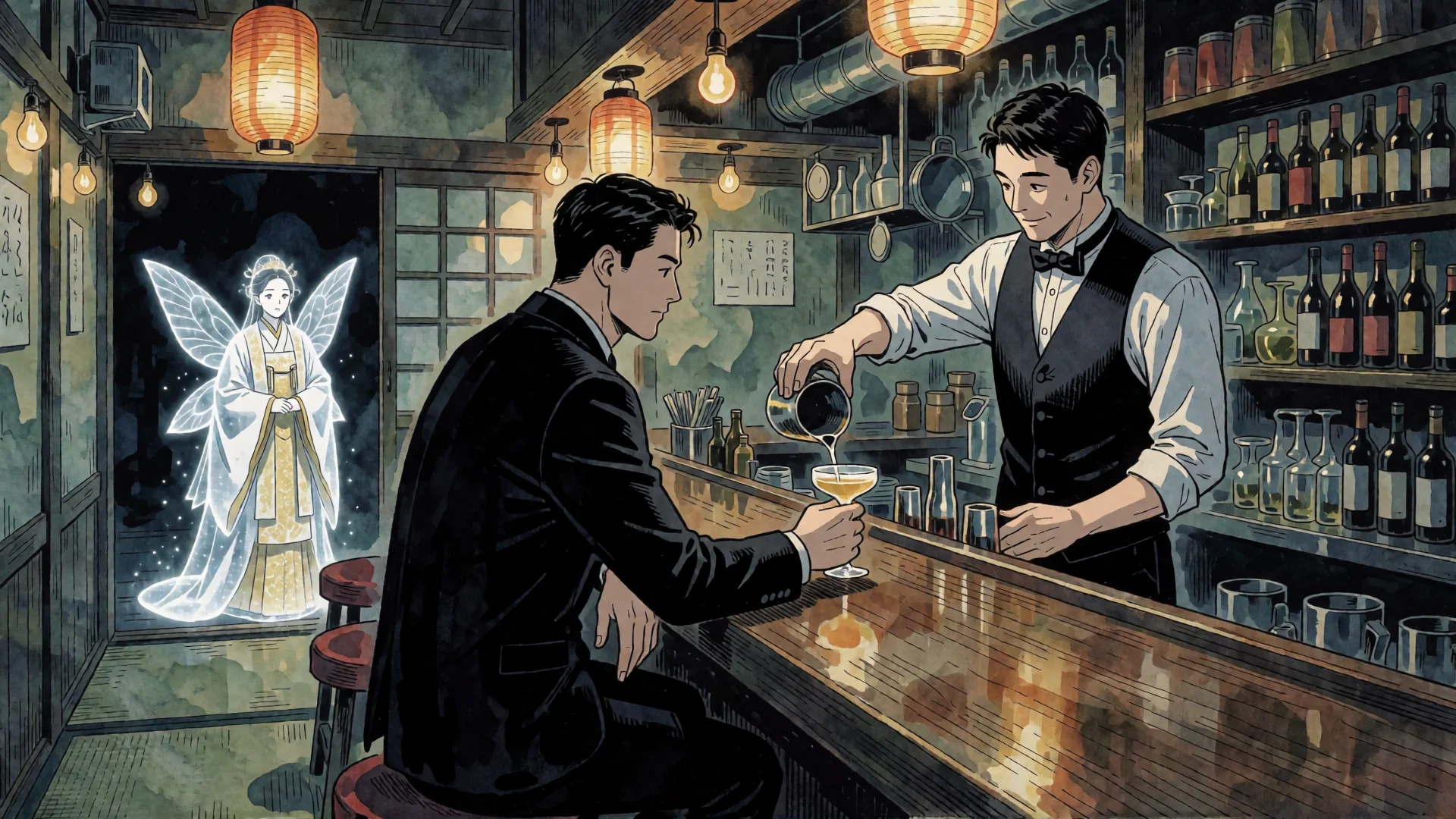
The chapter opens with an exposition on the societal hierarchy in a world governed by random awakened abilities, noting a surprising trend among children under ten: the desire to become writers. This literary craze is traced back to the 206th cycle, following the establishment of the Dream Casino in the Inunaki Tunnel. Initially, the casino catered to base desires, allowing patrons to purchase dreams of food, drink, and companionship. This intervention revived workforce productivity among ordinary citizens and Awakeners alike. However, dissatisfaction soon arose due to a fatal flaw in the Dream Casino’s service: the lack of spontaneity. Patrons found that pre-scripting their dreams ruined the immersion and emotional impact, feeling more like interacting with AI than living a life. While the narrator, identified as Go Yuri, dismissed these complaints as the whining of the satiated, other Awakeners began to see a market opportunity. A specific Awakener, driven by ennui with standard whiskey dreams, notices a flyer for 'Cocktail Bar Mori,' promoted by a writer. Despite the writer’s unprofessional appearance and the high price, the Awakener pays 500 won for an unspecific dream experience. At the casino, the writer instructs the tutorial fairy to let the guest enter without specifying parameters. The Awakener dreams of arriving at a cramped, authentic Japanese-style cocktail bar in Apgujeong, Seoul. He is greeted by a Japanese bartender who serves him a perfect 'Godfather' cocktail. The experience is remarkably realistic and spontaneous; the bartender shares personal stories about his Korean wife, and the conversation flows naturally without pre-scripting. The Awakener is deeply impressed by the authenticity and emotional connection, forgetting he is dreaming. He becomes a regular, and within a month, the bar fills with customers, including his guildmates, marking the rise of a new, spontaneous dream service that challenges the status quo of the Dream Casino.
Guest access includes first 49 of 485 audio chapters. Sign in for Free access.
14:14
Chapter 192
The chapter opens with an exposition on the societal hierarchy in a world governed by random awakened abilities, noting a surprising trend among children under ten: the desire to become writers. This literary craze is traced back to the 206th cycle, following the establishment of the Dream Casino in the Inunaki Tunnel. Initially, the casino catered to base desires, allowing patrons to purchase dreams of food, drink, and companionship. This intervention revived workforce productivity among ordinary citizens and Awakeners alike. However, dissatisfaction soon arose due to a fatal flaw in the Dream Casino’s service: the lack of spontaneity. Patrons found that pre-scripting their dreams ruined the immersion and emotional impact, feeling more like interacting with AI than living a life. While the narrator, identified as Go Yuri, dismissed these complaints as the whining of the satiated, other Awakeners began to see a market opportunity. A specific Awakener, driven by ennui with standard whiskey dreams, notices a flyer for 'Cocktail Bar Mori,' promoted by a writer. Despite the writer’s unprofessional appearance and the high price, the Awakener pays 500 won for an unspecific dream experience. At the casino, the writer instructs the tutorial fairy to let the guest enter without specifying parameters. The Awakener dreams of arriving at a cramped, authentic Japanese-style cocktail bar in Apgujeong, Seoul. He is greeted by a Japanese bartender who serves him a perfect 'Godfather' cocktail. The experience is remarkably realistic and spontaneous; the bartender shares personal stories about his Korean wife, and the conversation flows naturally without pre-scripting. The Awakener is deeply impressed by the authenticity and emotional connection, forgetting he is dreaming. He becomes a regular, and within a month, the bar fills with customers, including his guildmates, marking the rise of a new, spontaneous dream service that challenges the status quo of the Dream Casino.
Guest access includes first 49 of 485 audio chapters. Sign in for Free access.
14:14
 Chapter 193
Writer A, operating as a promoter within the Dream Casino, spends the night meticulously crafting a dream scenario for a sleeping guest. He adjusts sensory details—changing background music to Ghibli-style jazz, altering the weather to rain, and emphasizing the establishment's Japanese aesthetic—to create a unique 'mod' of the standard tutorial fairy experience. The guest reacts positively, requesting expansion and offering payment, delighting Writer A. Driven by ego and profit, Writer A buys stew for his former colleagues, bragging about his successful venture with the 'tutorial fairy.' He explains how he leveraged his knowledge of cocktails and Japanese culture to create a niche market, despite the 50-50 revenue split with the fairies. The other writers, initially skeptical and envious, listen intently to his business model.
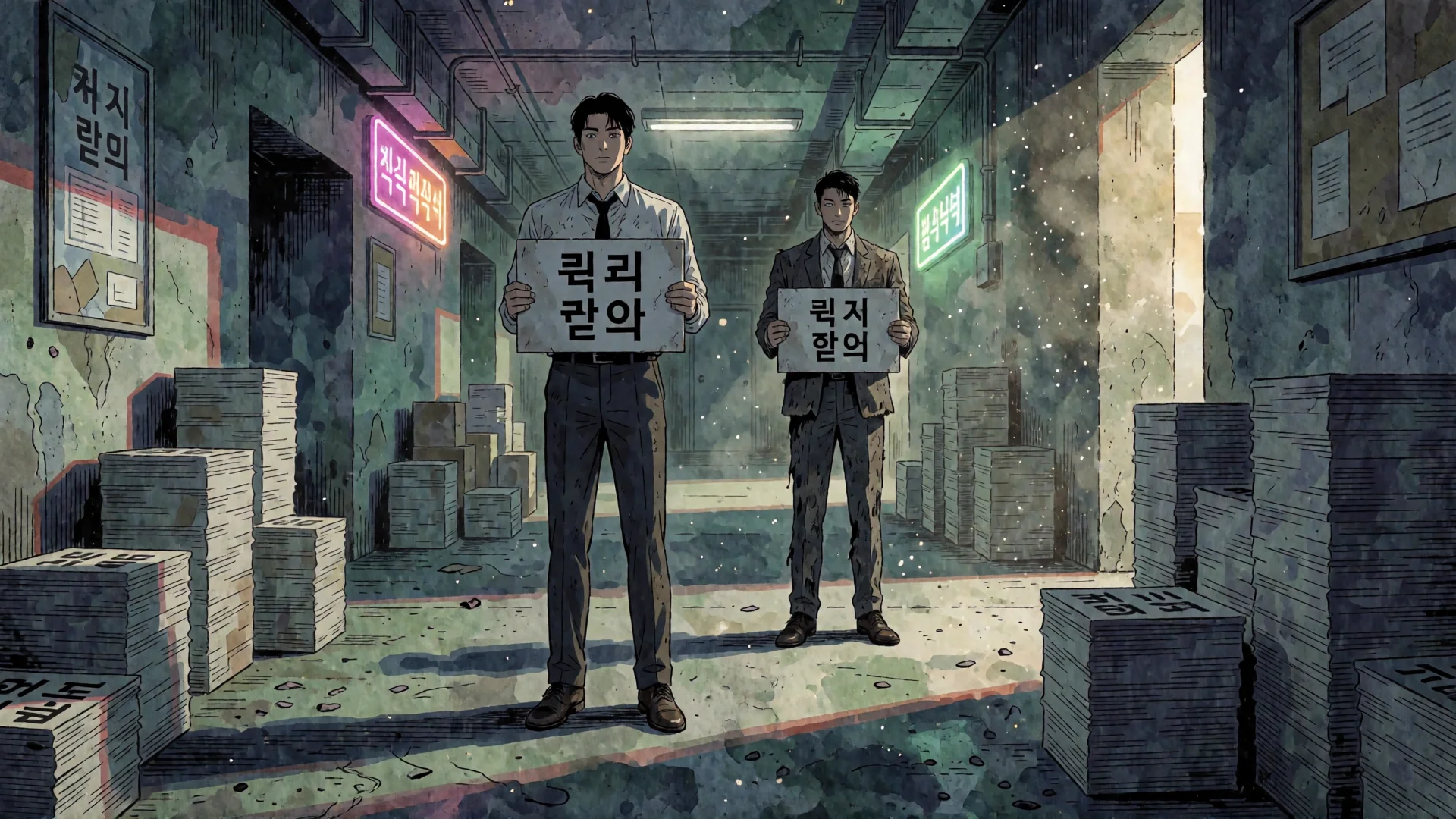
Days later, Writer A returns to work to find his colleagues holding signs advertising their own writing services at the Dream Casino entrance. They claim to be 'Returning Writers,' offering specialized skills such as contemporary fantasy, business stories, romance, and TRPG mastery for low fees. Writer A initially feels humiliated and accuses them internally of plagiarism, noting that while they copied the concept of selling personalized dreams, they did not copy the specific 'cocktail bar' theme. However, he recognizes the familiar competitive spirit of the publishing industry, reminiscent of the pre-apocalypse web novel scene. Despite Writer A's internal dread regarding customer theft, the outcome is unexpected: the influx of writers does not cannibalize his business. Instead, the market expands. More writers join the fray, increasing the total number of dream sellers from eight to twenty, yet demand remains high enough to fill every slot. The writers realize they have collectively discovered a 'Blue Ocean' market—a previously untapped, highly profitable sector where competition does not lead to mutual destruction but rather to a collective bonanza in the dream-selling labor market.
Guest access includes first 49 of 485 audio chapters. Sign in for Free access.
12:45
Chapter 193
Writer A, operating as a promoter within the Dream Casino, spends the night meticulously crafting a dream scenario for a sleeping guest. He adjusts sensory details—changing background music to Ghibli-style jazz, altering the weather to rain, and emphasizing the establishment's Japanese aesthetic—to create a unique 'mod' of the standard tutorial fairy experience. The guest reacts positively, requesting expansion and offering payment, delighting Writer A. Driven by ego and profit, Writer A buys stew for his former colleagues, bragging about his successful venture with the 'tutorial fairy.' He explains how he leveraged his knowledge of cocktails and Japanese culture to create a niche market, despite the 50-50 revenue split with the fairies. The other writers, initially skeptical and envious, listen intently to his business model.
Days later, Writer A returns to work to find his colleagues holding signs advertising their own writing services at the Dream Casino entrance. They claim to be 'Returning Writers,' offering specialized skills such as contemporary fantasy, business stories, romance, and TRPG mastery for low fees. Writer A initially feels humiliated and accuses them internally of plagiarism, noting that while they copied the concept of selling personalized dreams, they did not copy the specific 'cocktail bar' theme. However, he recognizes the familiar competitive spirit of the publishing industry, reminiscent of the pre-apocalypse web novel scene. Despite Writer A's internal dread regarding customer theft, the outcome is unexpected: the influx of writers does not cannibalize his business. Instead, the market expands. More writers join the fray, increasing the total number of dream sellers from eight to twenty, yet demand remains high enough to fill every slot. The writers realize they have collectively discovered a 'Blue Ocean' market—a previously untapped, highly profitable sector where competition does not lead to mutual destruction but rather to a collective bonanza in the dream-selling labor market.
Guest access includes first 49 of 485 audio chapters. Sign in for Free access.
12:45
 Chapter 194
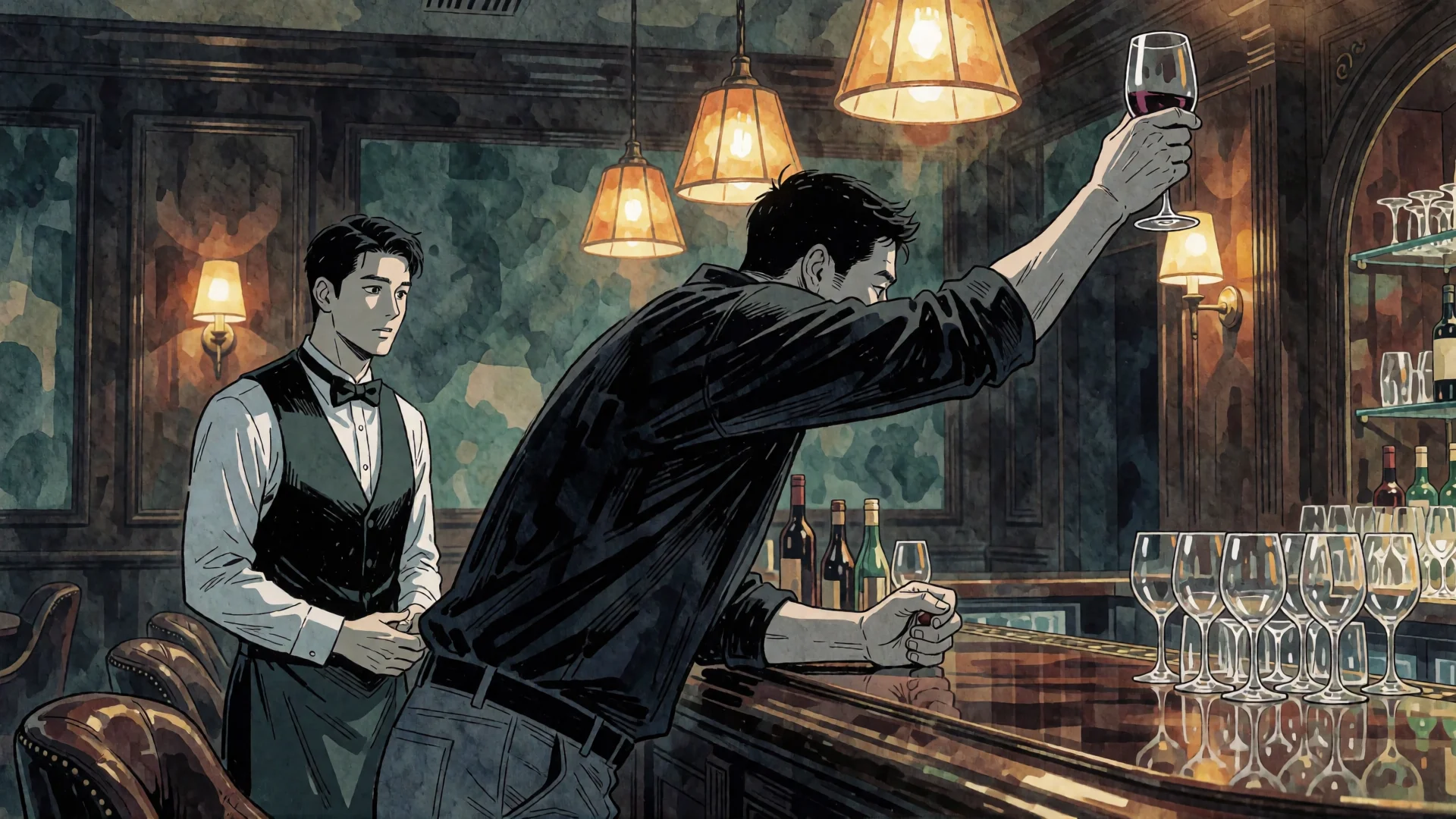
The narrative describes the evolution of writers in the Samcheon World Guild into 'Dream Managers' (DMs), professionals who fine-tune dreams for high-status clients using fairy-generated content. This shift created a nocturnal lifestyle where DMs work while clients sleep. The narrator, identified as the Undertaker, learns of this trend through Dang Seo-rin, who explains that DMs are popular but constrained by tutorial fairies, ensuring client safety. Dang Seo-rin reveals she hired a personal DM, a Harry Potter fan, while her rival, Cheon Yo-hwa, hires multiple DMs for various genres (zombie, cult, fantasy), highlighting the intense rivalry between their respective guilds, Busan's economic capital and Sejong's spiritual capital. This competition escalates as other guild leaders feel pressured to hire numerous DMs to maintain social status, mirroring Renaissance nobles patronizing artists. The DM industry boom offers low barriers to entry and high prestige, leading to a literary storm where ordinary citizens aspire to become writers. However, this prosperity breeds dissatisfaction. Writer A, a timid author, expresses burnout to his DM assistant. Despite financial success, he feels degraded by managing NPC bartenders and mixing cocktails in dream simulations, craving the creative freedom of traditional writing. He smashes a wine glass, lamenting his reduction to a service provider rather than a creator. Suffering from 'new-work-itis,' Writer A convenes his former colleagues—now elite DMs—to propose a radical solution: collaborating on a massive, user-generated MMORPG. Rejecting the constraint of servicing individual wealthy clients, they decide to pool their talents to build a shared virtual world, succumbing to the dangerous allure of 'Group Project-itis.'
Guest access includes first 49 of 485 audio chapters. Sign in for Free access.
12:05
Chapter 194
The narrative describes the evolution of writers in the Samcheon World Guild into 'Dream Managers' (DMs), professionals who fine-tune dreams for high-status clients using fairy-generated content. This shift created a nocturnal lifestyle where DMs work while clients sleep. The narrator, identified as the Undertaker, learns of this trend through Dang Seo-rin, who explains that DMs are popular but constrained by tutorial fairies, ensuring client safety. Dang Seo-rin reveals she hired a personal DM, a Harry Potter fan, while her rival, Cheon Yo-hwa, hires multiple DMs for various genres (zombie, cult, fantasy), highlighting the intense rivalry between their respective guilds, Busan's economic capital and Sejong's spiritual capital. This competition escalates as other guild leaders feel pressured to hire numerous DMs to maintain social status, mirroring Renaissance nobles patronizing artists. The DM industry boom offers low barriers to entry and high prestige, leading to a literary storm where ordinary citizens aspire to become writers. However, this prosperity breeds dissatisfaction. Writer A, a timid author, expresses burnout to his DM assistant. Despite financial success, he feels degraded by managing NPC bartenders and mixing cocktails in dream simulations, craving the creative freedom of traditional writing. He smashes a wine glass, lamenting his reduction to a service provider rather than a creator. Suffering from 'new-work-itis,' Writer A convenes his former colleagues—now elite DMs—to propose a radical solution: collaborating on a massive, user-generated MMORPG. Rejecting the constraint of servicing individual wealthy clients, they decide to pool their talents to build a shared virtual world, succumbing to the dangerous allure of 'Group Project-itis.'
Guest access includes first 49 of 485 audio chapters. Sign in for Free access.
12:05
 Chapter 195
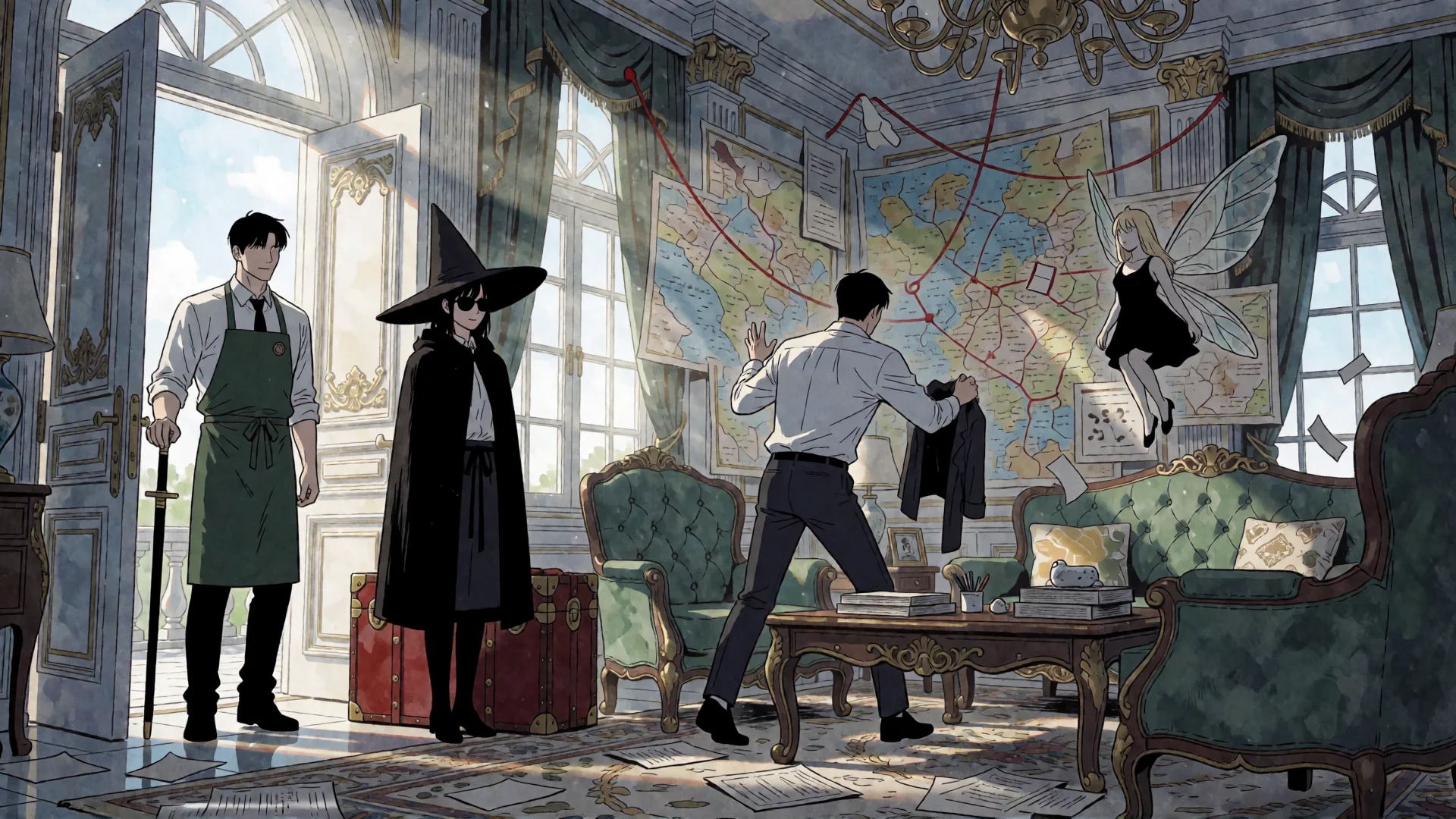
Writer A proposes a collaborative project to the 'supreme eight' DMs in Busan, arguing that individual efforts yield only minus 22,500 creative power compared to a combined effort of 300. Despite the low probability of success, Writer A establishes himself as the lead, citing his pioneering role in the DM market and a secret pact with fairies to monitor the group. He assigns specific roles: NPC management, map design, quests/items, main events, and worldview history. To facilitate this, Writer A rents a Haeundae villa, inviting the DMs to live together and work intensively. Three years later, Dang Seo-rin invites the Undertaker to join as a historical consultant for this 'Kingdom Project,' a massive, autonomously functioning fantasy world. Upon arriving at the villa, they overhear the DMs arguing internally about retroactive marriage laws and tax implications within the game's logic. The DMs, recognizing Dang Seo-rin as the Guild Leader of Samcheon World, descend into chaotic pandemonium, scrambling for clothes and apologies; the date mix-up was actually Dang Seo-rin's fault, though she remains unaware. While the DMs apologize, the Undertaker observes the villa's interior, noting five tutorial fairies assisting with the project. He learns from Writer A that the fairies now operate the dream world in real-time, boosting participant satisfaction by 2000% compared to standard tutorials. Crucially, a fairy reveals that deaths in the dream do not affect real-life bodies, only causing temporary mental trauma. This revelation strikes the Undertaker as a potential loophole: he realizes the Kingdom Project could serve as a massive, realistic 'Tutorial Dungeon' for Awakeners and civilians to practice combat without physical risk. The Undertaker immediately offers Writer A detailed data on the Ten Legs and Meteor Shower anomalies in exchange for access and investment, aiming to capitalize on the dream world's potential for combat training.
Guest access includes first 49 of 485 audio chapters. Sign in for Free access.
13:51
Chapter 195
Writer A proposes a collaborative project to the 'supreme eight' DMs in Busan, arguing that individual efforts yield only minus 22,500 creative power compared to a combined effort of 300. Despite the low probability of success, Writer A establishes himself as the lead, citing his pioneering role in the DM market and a secret pact with fairies to monitor the group. He assigns specific roles: NPC management, map design, quests/items, main events, and worldview history. To facilitate this, Writer A rents a Haeundae villa, inviting the DMs to live together and work intensively. Three years later, Dang Seo-rin invites the Undertaker to join as a historical consultant for this 'Kingdom Project,' a massive, autonomously functioning fantasy world. Upon arriving at the villa, they overhear the DMs arguing internally about retroactive marriage laws and tax implications within the game's logic. The DMs, recognizing Dang Seo-rin as the Guild Leader of Samcheon World, descend into chaotic pandemonium, scrambling for clothes and apologies; the date mix-up was actually Dang Seo-rin's fault, though she remains unaware. While the DMs apologize, the Undertaker observes the villa's interior, noting five tutorial fairies assisting with the project. He learns from Writer A that the fairies now operate the dream world in real-time, boosting participant satisfaction by 2000% compared to standard tutorials. Crucially, a fairy reveals that deaths in the dream do not affect real-life bodies, only causing temporary mental trauma. This revelation strikes the Undertaker as a potential loophole: he realizes the Kingdom Project could serve as a massive, realistic 'Tutorial Dungeon' for Awakeners and civilians to practice combat without physical risk. The Undertaker immediately offers Writer A detailed data on the Ten Legs and Meteor Shower anomalies in exchange for access and investment, aiming to capitalize on the dream world's potential for combat training.
Guest access includes first 49 of 485 audio chapters. Sign in for Free access.
13:51
 Chapter 196
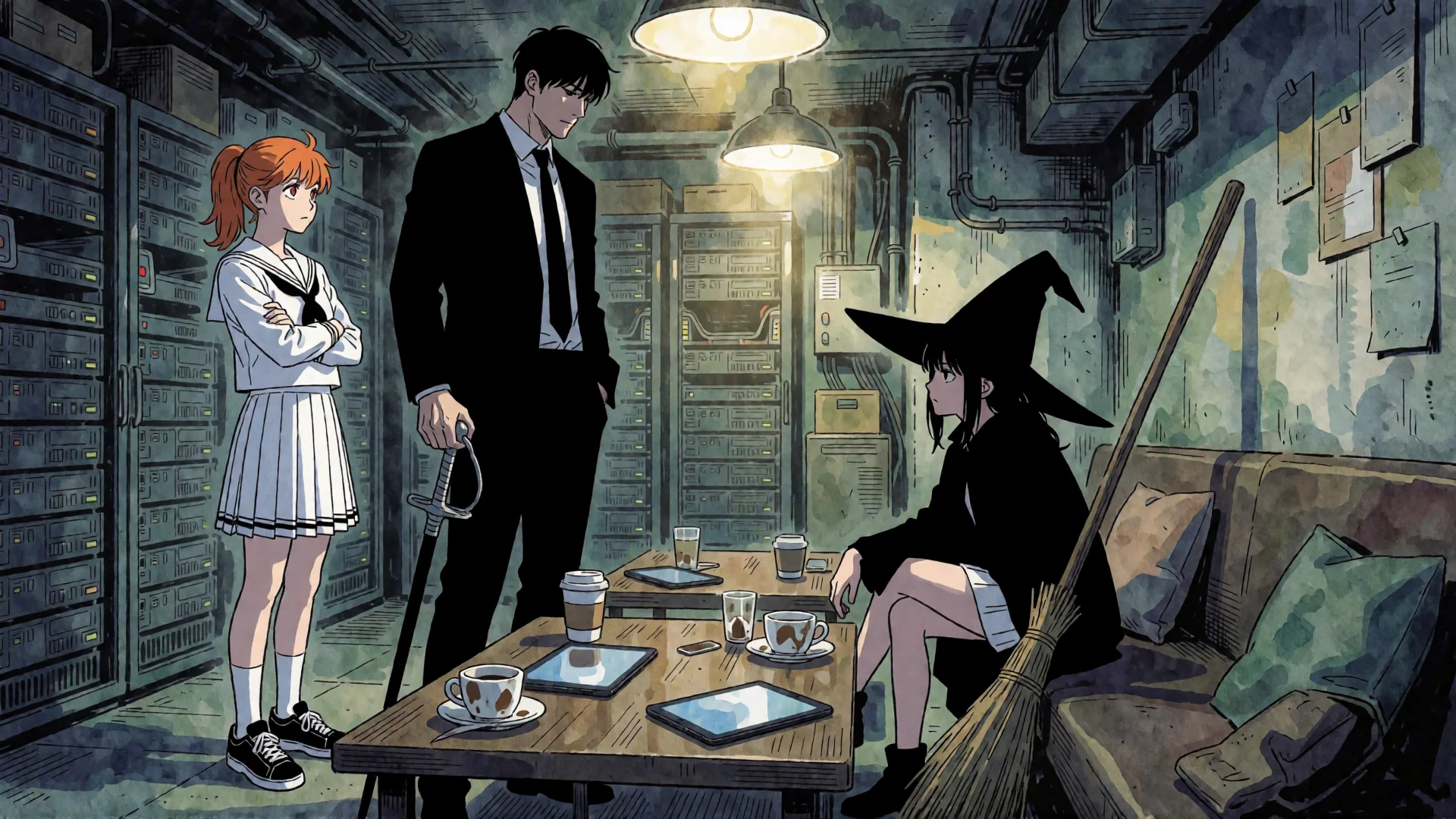
The narrator, identified through the speaker registry as the Undertaker, reflects on the limitations of typical regression narratives where protagonists focus on training a small elite group. He argues that true systemic change requires a massive, scalable social infrastructure, comparing the scale of impact to Apple’s 150,000 employees rather than a small business owner. Consequently, he announces a heavy investment in the 'Kingdom Project,' a virtual reality simulation developed by Dream Musicians (DMs), to the Regressor Alliance. The alliance includes Noh Do-hwa, who expresses skepticism about the industry's morality but acknowledges the project's potential as a VR world for experience accumulation. Jeong Ye-ji raises concerns about the risks of transplanting real anomaly data (such as the Ten Legs) into the simulation, warning of potential void expansion and new anomaly generation. The Undertaker accepts these side effects as manageable risks compared to the benefits.
To address the resource allocation for the Kingdom Project, the Undertaker convenes Dang Seo-rin and Cheon Yo-hwa, who immediately engage in petty, pride-driven banter representing their respective magical disciplines (Cursed Song and Necromancy). The Undertaker intervenes, revealing that both leaders currently employ excessive personal DMs (totaling 46) for leisure. He proposes a mandatory reduction in their private DM usage to staff the Kingdom Project. In exchange, guilds that actively report anomaly exterminations to the National Road Management Corps will receive priority draft rights to recruit talented players who emerge from the simulation. Recognizing the strategic advantage of accessing pre-vetted, high-level talent, both leaders agree to the terms, leading to a broader industry-wide reduction in private DMs and the consolidation of 120 skilled DMs under the National Road Management Corps. Writer A is appointed as the project manager, with the Undertaker guaranteeing her authority against internal dissent through violent enforcement.
Two years later, the Kingdom launches to explosive public success. Participants praise its immersive realism, noting that it surpasses pre-apocalypse commercial games. Crucially, the simulation uses real-world data, making the NPCs’ struggles against the 'Ten Legs' raid boss eerily accurate. Participants, possessing the meta-knowledge of the apocalypse like regressors, optimize their playstyles to save the simulation’s population. The narrative concludes with Cheon Yo-hwa reporting the exceptional quality of new recruits generated by the simulation, marking a significant acceleration in the Korean Peninsula’s power growth through this scalable training system.
Guest access includes first 49 of 485 audio chapters. Sign in for Free access.
13:32
Chapter 196
The narrator, identified through the speaker registry as the Undertaker, reflects on the limitations of typical regression narratives where protagonists focus on training a small elite group. He argues that true systemic change requires a massive, scalable social infrastructure, comparing the scale of impact to Apple’s 150,000 employees rather than a small business owner. Consequently, he announces a heavy investment in the 'Kingdom Project,' a virtual reality simulation developed by Dream Musicians (DMs), to the Regressor Alliance. The alliance includes Noh Do-hwa, who expresses skepticism about the industry's morality but acknowledges the project's potential as a VR world for experience accumulation. Jeong Ye-ji raises concerns about the risks of transplanting real anomaly data (such as the Ten Legs) into the simulation, warning of potential void expansion and new anomaly generation. The Undertaker accepts these side effects as manageable risks compared to the benefits.
To address the resource allocation for the Kingdom Project, the Undertaker convenes Dang Seo-rin and Cheon Yo-hwa, who immediately engage in petty, pride-driven banter representing their respective magical disciplines (Cursed Song and Necromancy). The Undertaker intervenes, revealing that both leaders currently employ excessive personal DMs (totaling 46) for leisure. He proposes a mandatory reduction in their private DM usage to staff the Kingdom Project. In exchange, guilds that actively report anomaly exterminations to the National Road Management Corps will receive priority draft rights to recruit talented players who emerge from the simulation. Recognizing the strategic advantage of accessing pre-vetted, high-level talent, both leaders agree to the terms, leading to a broader industry-wide reduction in private DMs and the consolidation of 120 skilled DMs under the National Road Management Corps. Writer A is appointed as the project manager, with the Undertaker guaranteeing her authority against internal dissent through violent enforcement.
Two years later, the Kingdom launches to explosive public success. Participants praise its immersive realism, noting that it surpasses pre-apocalypse commercial games. Crucially, the simulation uses real-world data, making the NPCs’ struggles against the 'Ten Legs' raid boss eerily accurate. Participants, possessing the meta-knowledge of the apocalypse like regressors, optimize their playstyles to save the simulation’s population. The narrative concludes with Cheon Yo-hwa reporting the exceptional quality of new recruits generated by the simulation, marking a significant acceleration in the Korean Peninsula’s power growth through this scalable training system.
Guest access includes first 49 of 485 audio chapters. Sign in for Free access.
13:32
 Chapter 197
The Undertaker narrates the strategic development of the <Kingdom Project>, a simulation designed to advance Awaker abilities. Initially, he holds a ceremony at the National Road Management Corps headquarters, where Yu Ji-won and other high-ranking officials bow to the Dream Masters (DMs), granting them honor and power they previously lacked. The Undertaker aims to create dependency on this recognition to secure their loyalty. Over several cycles, he observes the DMs' degradation; as they gain status, many become addicted to power, retire early, or are tempted by bribes from external factions like the Samcheon World Guild and Baekhwa Girls' High. By the fourth cycle, only half of the original DMs remain engaged, while the others have drifted away or been eliminated from his strategic view.
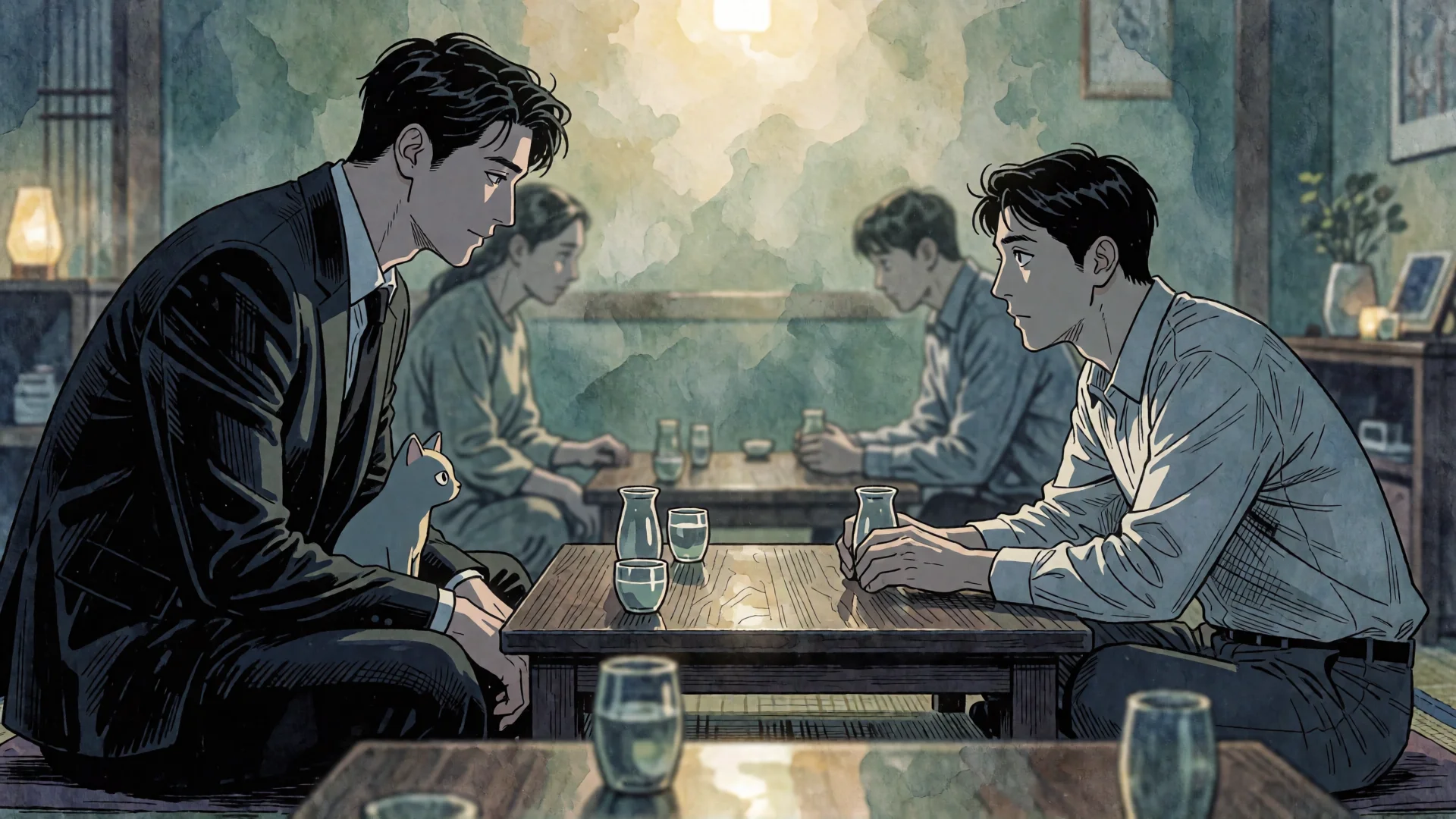
The Undertaker then turns to Writer A, a former professional writer. He presents a sophisticated world-building blueprint already partially constructed by the National Road Management Corps. Writer A is impressed but notes the lack of central plot or NPCs. The Undertaker offers Writer A the lead role, bringing in remaining colleagues. Throughout subsequent cycles, Writer A’s team faces temptations, such as a 60 billion won bribe from the Student Council President, leading to further attrition. Despite losing members, Writer A remains dedicated. After drinking makgeolli, Writer A questions how such a detailed world was created without main events. The Undertaker reveals his true intention: to use the simulation to force participants to experience harsh ideological conflicts—racial hatred, terrorism, and rebellion—to foster empathy and detachment from the Awakener supremacy ideology in reality. He proposes a shift from an MMORPG to a solo RPG where users 'forget' their reality and live full lifetimes within the dream, retaining memories upon waking to become empathetic beings capable of seeing themselves from all societal perspectives. Writer A, understanding the scope, renames the <Reincarnation Project> and agrees to dedicate their life to it, requesting a pre-created NPC avatar for themselves to inhabit in the event of death. The chapter ends with the Undertaker reflecting on a novel written by Writer A’s NPC avatar in the kingdom, which describes a world without magic but with technology like steel ships and guns. The Undertaker chuckles, contemplating if his own reality is merely someone else’s simulation.
Guest access includes first 49 of 485 audio chapters. Sign in for Free access.
16:59
Chapter 197
The Undertaker narrates the strategic development of the <Kingdom Project>, a simulation designed to advance Awaker abilities. Initially, he holds a ceremony at the National Road Management Corps headquarters, where Yu Ji-won and other high-ranking officials bow to the Dream Masters (DMs), granting them honor and power they previously lacked. The Undertaker aims to create dependency on this recognition to secure their loyalty. Over several cycles, he observes the DMs' degradation; as they gain status, many become addicted to power, retire early, or are tempted by bribes from external factions like the Samcheon World Guild and Baekhwa Girls' High. By the fourth cycle, only half of the original DMs remain engaged, while the others have drifted away or been eliminated from his strategic view.
The Undertaker then turns to Writer A, a former professional writer. He presents a sophisticated world-building blueprint already partially constructed by the National Road Management Corps. Writer A is impressed but notes the lack of central plot or NPCs. The Undertaker offers Writer A the lead role, bringing in remaining colleagues. Throughout subsequent cycles, Writer A’s team faces temptations, such as a 60 billion won bribe from the Student Council President, leading to further attrition. Despite losing members, Writer A remains dedicated. After drinking makgeolli, Writer A questions how such a detailed world was created without main events. The Undertaker reveals his true intention: to use the simulation to force participants to experience harsh ideological conflicts—racial hatred, terrorism, and rebellion—to foster empathy and detachment from the Awakener supremacy ideology in reality. He proposes a shift from an MMORPG to a solo RPG where users 'forget' their reality and live full lifetimes within the dream, retaining memories upon waking to become empathetic beings capable of seeing themselves from all societal perspectives. Writer A, understanding the scope, renames the <Reincarnation Project> and agrees to dedicate their life to it, requesting a pre-created NPC avatar for themselves to inhabit in the event of death. The chapter ends with the Undertaker reflecting on a novel written by Writer A’s NPC avatar in the kingdom, which describes a world without magic but with technology like steel ships and guns. The Undertaker chuckles, contemplating if his own reality is merely someone else’s simulation.
Guest access includes first 49 of 485 audio chapters. Sign in for Free access.
16:59
 Chapter 198
The narrator, operating under the alias [ZERO_SUGAR] as a barista in a café hideout, reviews the inbox of Oh Dok-seo, known as [LiteraryGirl]. Oh Dok-seo has a notorious history of chronic lateness in her novel serialization, having accumulated over 1,000 notices regarding delays, hiatuses, and schedule changes over hundreds of cycles. Upon receiving a new delay notice, the narrator initially drafts a supportive but firm reply, suggesting she take a break to avoid burnout, while clarifying that his sincere tone should not be misinterpreted as the twisted sarcasm typical of Vulgar Craftsman Noh Do-hwa. However, the message is interrupted as Oh Dok-seo physically bursts into the café, aggressively confronting the narrator about his suggestion to skip the cycle. She expresses deep desperation to write the story well, lamenting her inability to keep up with the demands of the regressors who have passed through previous cycles. After this emotional outburst, she leaves to find a solution. Lee Ha-yul observes the interaction, noting the narrator’s reluctance to pursue her, attributing it to laziness. The narrative then shifts to a miraculous development in the 888th cycle: Oh Dok-seo has achieved daily serialization of her novel, <Regressor's Epilogue>, even releasing multiple chapters in rapid succession. While most readers on the SG Net board celebrate this consistency, the Necromancer Cheon Yo-hwa (under the handle [SixthGrader]) and other anonymous users criticize the writing for becoming flat and lacking its previous unique flavor. The narrator, however, believes the quality is acceptable and that the routine is better for Oh Dok-seo's mental health than her perfectionism. Motivated by this, the narrator prepares coffee and heads to Oh Dok-seo’s room to encourage her. Peering through her slightly ajar door, he witnesses her typing a prompt into an AI interface: "Protagonist: The Undertaker, Regressor, 300th Cycle, Starts at Busan Station, Strange Story." The AI immediately generates the opening lines of a story about the Undertaker. The narrator, realizing Oh Dok-seo has been using artificial intelligence to mass-produce her serializations, is left in stunned silence, the mystery of her sudden productivity resolved by the revelation of her deceit.
Guest access includes first 49 of 485 audio chapters. Sign in for Free access.
13:41
Chapter 198
The narrator, operating under the alias [ZERO_SUGAR] as a barista in a café hideout, reviews the inbox of Oh Dok-seo, known as [LiteraryGirl]. Oh Dok-seo has a notorious history of chronic lateness in her novel serialization, having accumulated over 1,000 notices regarding delays, hiatuses, and schedule changes over hundreds of cycles. Upon receiving a new delay notice, the narrator initially drafts a supportive but firm reply, suggesting she take a break to avoid burnout, while clarifying that his sincere tone should not be misinterpreted as the twisted sarcasm typical of Vulgar Craftsman Noh Do-hwa. However, the message is interrupted as Oh Dok-seo physically bursts into the café, aggressively confronting the narrator about his suggestion to skip the cycle. She expresses deep desperation to write the story well, lamenting her inability to keep up with the demands of the regressors who have passed through previous cycles. After this emotional outburst, she leaves to find a solution. Lee Ha-yul observes the interaction, noting the narrator’s reluctance to pursue her, attributing it to laziness. The narrative then shifts to a miraculous development in the 888th cycle: Oh Dok-seo has achieved daily serialization of her novel, <Regressor's Epilogue>, even releasing multiple chapters in rapid succession. While most readers on the SG Net board celebrate this consistency, the Necromancer Cheon Yo-hwa (under the handle [SixthGrader]) and other anonymous users criticize the writing for becoming flat and lacking its previous unique flavor. The narrator, however, believes the quality is acceptable and that the routine is better for Oh Dok-seo's mental health than her perfectionism. Motivated by this, the narrator prepares coffee and heads to Oh Dok-seo’s room to encourage her. Peering through her slightly ajar door, he witnesses her typing a prompt into an AI interface: "Protagonist: The Undertaker, Regressor, 300th Cycle, Starts at Busan Station, Strange Story." The AI immediately generates the opening lines of a story about the Undertaker. The narrator, realizing Oh Dok-seo has been using artificial intelligence to mass-produce her serializations, is left in stunned silence, the mystery of her sudden productivity resolved by the revelation of her deceit.
Guest access includes first 49 of 485 audio chapters. Sign in for Free access.
13:41
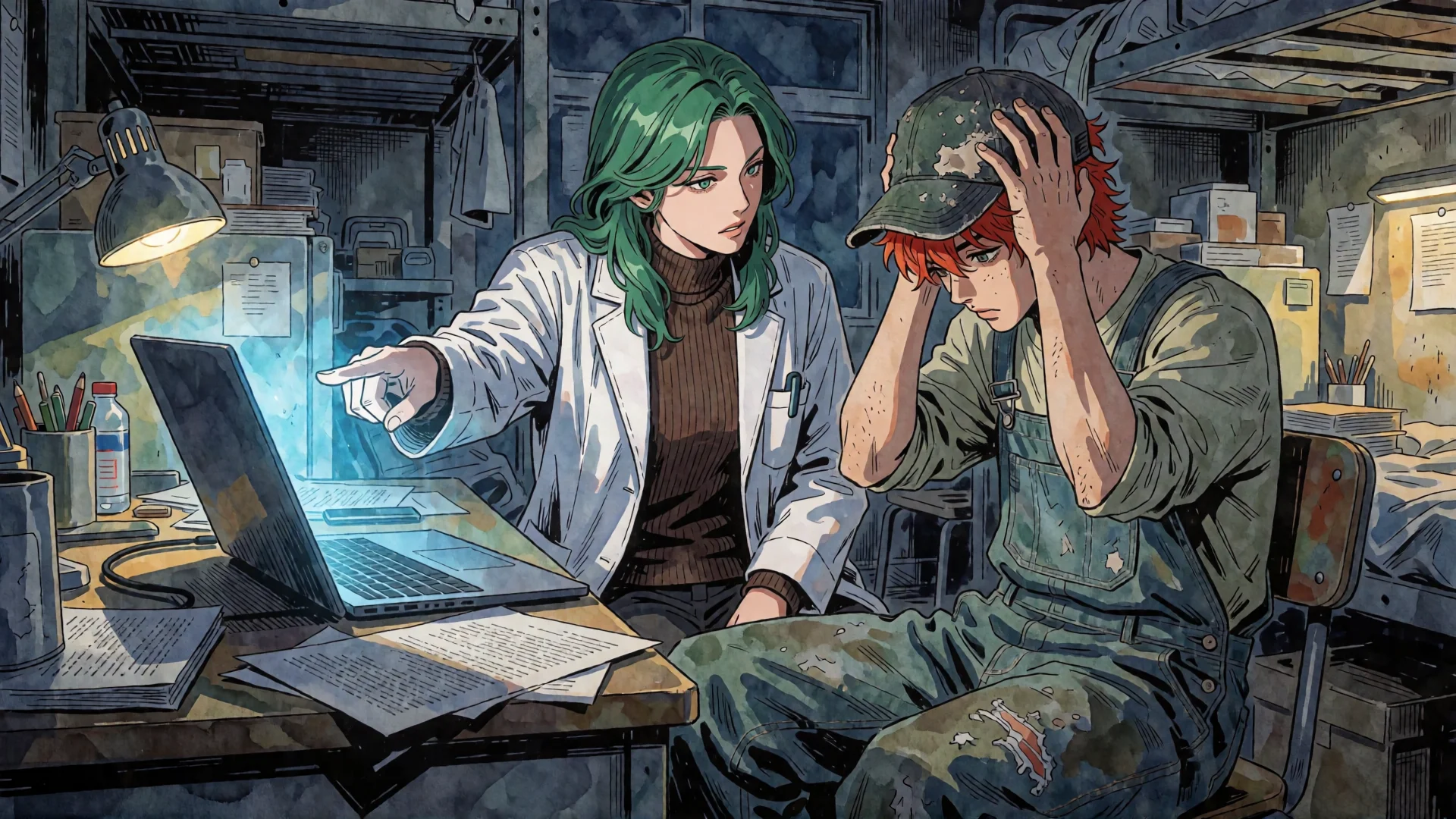 Chapter 199
The narrator, the Undertaker, reflects on his position as an invisible observer in the room of Oh Dok-seo, who has carelessly left her door open. He watches Sim Ah-ryeon confront Dok-seo, who is frantically typing on her laptop. Ah-ryeon accuses Dok-seo of relapsing into using AI generation for her novel, reminding her that she had promised it would be the last time before the serialization deadline. Dok-seo defends her actions, claiming she is merely a "Literary Girl" keeping up with new trends and mastering AI as an auxiliary tool, arguing that prompt engineering is no different from a painter using colors or a photographer using a camera. She dismisses Ah-ryeon's objections as narrow-mindedness, boasting that this method allows her to produce content faster than those who take hours per illustration. Ah-ryeon remains unconvinced, pointing out the fundamental difference between using existing tools and relying on learned data from others' creative labor. To prove the inferiority of Dok-seo's AI-generated text, Ah-ryeon forces her to read a sample aloud. The resulting prose, a garbled mix of influences, causes Dok-seo physical distress as the Undertaker notes she spits "blood of her soul." Ah-ryeon mocks the poor quality of the writing, leading Dok-seo to retort that Ah-ryeon's high rankings are solely due to her illustrations. Ah-ryeon counters that readers are tired of the images and exposes Dok-seo's reliance on "garbage" AI text. Dok-seo snatches the laptop back, rapidly typing new prompts to refine the output, adding stylistic elements from authors like Chuck Palahniuk and Stephen King. She presents the improved text to Ah-ryeon, who remains horrified, explaining that AI learning data constitutes stolen creative work. Dok-seo justifies this by claiming the authors are public figures and noting that she is writing for the Undertaker, whose network of writers gives her moral immunity. She declares herself a "Prompt Artist" and vows to prove AI's worth. Ah-ryeon, despairing, laments that even the Guild Leader will not forgive such acts. Suddenly, the Undertaker reveals himself. Dok-seo, terrified, asks how long he has been watching. He replies that he has been there since the moment she typed the prompt defining him as the protagonist. This realization triggers a scream of terror from Dok-seo, who collapses and crawls on the floor. She attempts to blame the Admin of the Infinite Metagame for tricking her into using the AI, but Ah-ryeon embraces her, whispering cruelly that the Guild Leader will remember this shame forever. The Undertaker intervenes, calming Dok-seo and suggesting she take a break to recharge. Dok-seo agrees, and the Undertaker assures her he will wait. A notice is posted on SG-Net announcing a temporary hiatus. Years pass. The notice shows the break has lasted seven years. The comments section is filled with anger, mockery, and despair from readers who feel betrayed. Ah-ryeon posts a comment claiming she heard Dok-seo went missing in a void, while other users express confusion and rage at the prolonged absence. The Undertaker closes the comments, realizing the gravity of the situation and the fate that has befallen Dok-seo.
Guest access includes first 49 of 485 audio chapters. Sign in for Free access.
11:49
Chapter 199
The narrator, the Undertaker, reflects on his position as an invisible observer in the room of Oh Dok-seo, who has carelessly left her door open. He watches Sim Ah-ryeon confront Dok-seo, who is frantically typing on her laptop. Ah-ryeon accuses Dok-seo of relapsing into using AI generation for her novel, reminding her that she had promised it would be the last time before the serialization deadline. Dok-seo defends her actions, claiming she is merely a "Literary Girl" keeping up with new trends and mastering AI as an auxiliary tool, arguing that prompt engineering is no different from a painter using colors or a photographer using a camera. She dismisses Ah-ryeon's objections as narrow-mindedness, boasting that this method allows her to produce content faster than those who take hours per illustration. Ah-ryeon remains unconvinced, pointing out the fundamental difference between using existing tools and relying on learned data from others' creative labor. To prove the inferiority of Dok-seo's AI-generated text, Ah-ryeon forces her to read a sample aloud. The resulting prose, a garbled mix of influences, causes Dok-seo physical distress as the Undertaker notes she spits "blood of her soul." Ah-ryeon mocks the poor quality of the writing, leading Dok-seo to retort that Ah-ryeon's high rankings are solely due to her illustrations. Ah-ryeon counters that readers are tired of the images and exposes Dok-seo's reliance on "garbage" AI text. Dok-seo snatches the laptop back, rapidly typing new prompts to refine the output, adding stylistic elements from authors like Chuck Palahniuk and Stephen King. She presents the improved text to Ah-ryeon, who remains horrified, explaining that AI learning data constitutes stolen creative work. Dok-seo justifies this by claiming the authors are public figures and noting that she is writing for the Undertaker, whose network of writers gives her moral immunity. She declares herself a "Prompt Artist" and vows to prove AI's worth. Ah-ryeon, despairing, laments that even the Guild Leader will not forgive such acts. Suddenly, the Undertaker reveals himself. Dok-seo, terrified, asks how long he has been watching. He replies that he has been there since the moment she typed the prompt defining him as the protagonist. This realization triggers a scream of terror from Dok-seo, who collapses and crawls on the floor. She attempts to blame the Admin of the Infinite Metagame for tricking her into using the AI, but Ah-ryeon embraces her, whispering cruelly that the Guild Leader will remember this shame forever. The Undertaker intervenes, calming Dok-seo and suggesting she take a break to recharge. Dok-seo agrees, and the Undertaker assures her he will wait. A notice is posted on SG-Net announcing a temporary hiatus. Years pass. The notice shows the break has lasted seven years. The comments section is filled with anger, mockery, and despair from readers who feel betrayed. Ah-ryeon posts a comment claiming she heard Dok-seo went missing in a void, while other users express confusion and rage at the prolonged absence. The Undertaker closes the comments, realizing the gravity of the situation and the fate that has befallen Dok-seo.
Guest access includes first 49 of 485 audio chapters. Sign in for Free access.
11:49
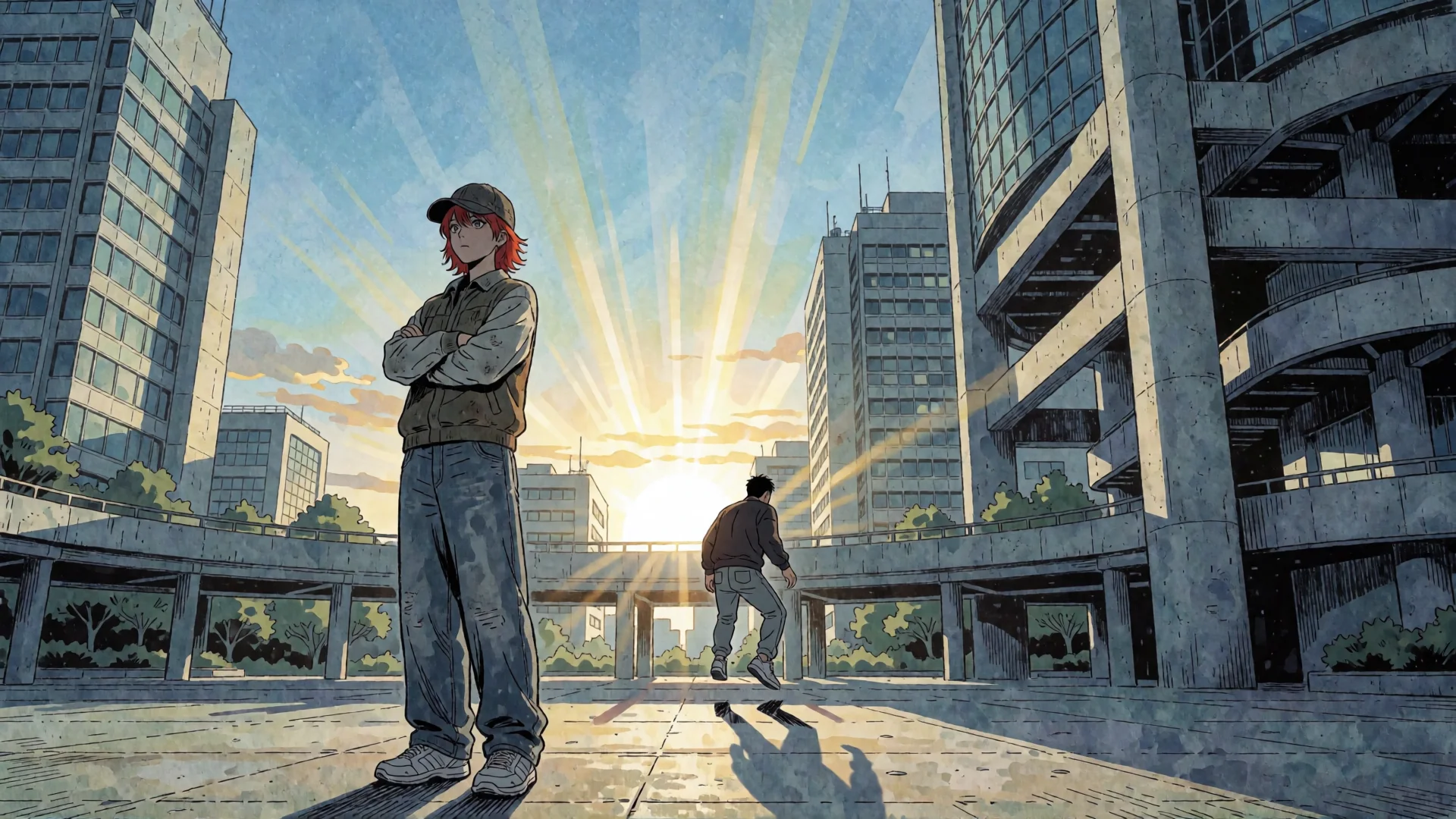 Chapter 200
The chapter introduces "Dok-seo's Paradox," a concept explaining the inverse relationship between Oh Dok-seo’s writing output and her combat prowess. Seven years ago, after falling into a severe writer’s block, Dok-seo left the Inunaki Tunnel to raid the Tower of Sauron, returning with overwhelming strength that terrified guild members like Sim Ah-ryeon and Lee Ha-yul. The narrator, who trained Dok-seo in anomaly control, notes that her hiatus allowed her to refine her "Conqueror's Haki," eventually containing her terrifying aura perfectly. This transformation turned her from a disgraced FFF-class writer into an SSS-class Awakener. Upon her return, Dok-seo posted a notice on SG Net offering a deal: she would resume serializing "The Regressor's Epilogue" only if a reader defeated her in a one-on-one life-or-death match. The readership initially dismissed the notice as a publicity stunt or a hack, treating it as a fun promotional event rather than a deadly threat. On the first day, a fan eagerly volunteered as the representative, believing Dok-seo’s offer of "nine seconds" to attack was a generous martial arts courtesy. The fan attempted a gentle tap, but Dok-seo responded with a single, hyper-velocity punch that embedded the fan into a distant building wall. She clarified she had controlled her aura to keep him alive, merely knocking him out, and stated this would be the last time she held back. The remaining crowd was left in stunned silence, grappling with the horrifying reality that their beloved author was a lethal warrior who would rather destroy her readers than write another word. The chapter concludes with Dok-seo walking away into the sunrise, described as both the world’s greatest master of martial arts and the most wicked author.
Guest access includes first 49 of 485 audio chapters. Sign in for Free access.
15:07
Chapter 200
The chapter introduces "Dok-seo's Paradox," a concept explaining the inverse relationship between Oh Dok-seo’s writing output and her combat prowess. Seven years ago, after falling into a severe writer’s block, Dok-seo left the Inunaki Tunnel to raid the Tower of Sauron, returning with overwhelming strength that terrified guild members like Sim Ah-ryeon and Lee Ha-yul. The narrator, who trained Dok-seo in anomaly control, notes that her hiatus allowed her to refine her "Conqueror's Haki," eventually containing her terrifying aura perfectly. This transformation turned her from a disgraced FFF-class writer into an SSS-class Awakener. Upon her return, Dok-seo posted a notice on SG Net offering a deal: she would resume serializing "The Regressor's Epilogue" only if a reader defeated her in a one-on-one life-or-death match. The readership initially dismissed the notice as a publicity stunt or a hack, treating it as a fun promotional event rather than a deadly threat. On the first day, a fan eagerly volunteered as the representative, believing Dok-seo’s offer of "nine seconds" to attack was a generous martial arts courtesy. The fan attempted a gentle tap, but Dok-seo responded with a single, hyper-velocity punch that embedded the fan into a distant building wall. She clarified she had controlled her aura to keep him alive, merely knocking him out, and stated this would be the last time she held back. The remaining crowd was left in stunned silence, grappling with the horrifying reality that their beloved author was a lethal warrior who would rather destroy her readers than write another word. The chapter concludes with Dok-seo walking away into the sunrise, described as both the world’s greatest master of martial arts and the most wicked author.
Guest access includes first 49 of 485 audio chapters. Sign in for Free access.
15:07
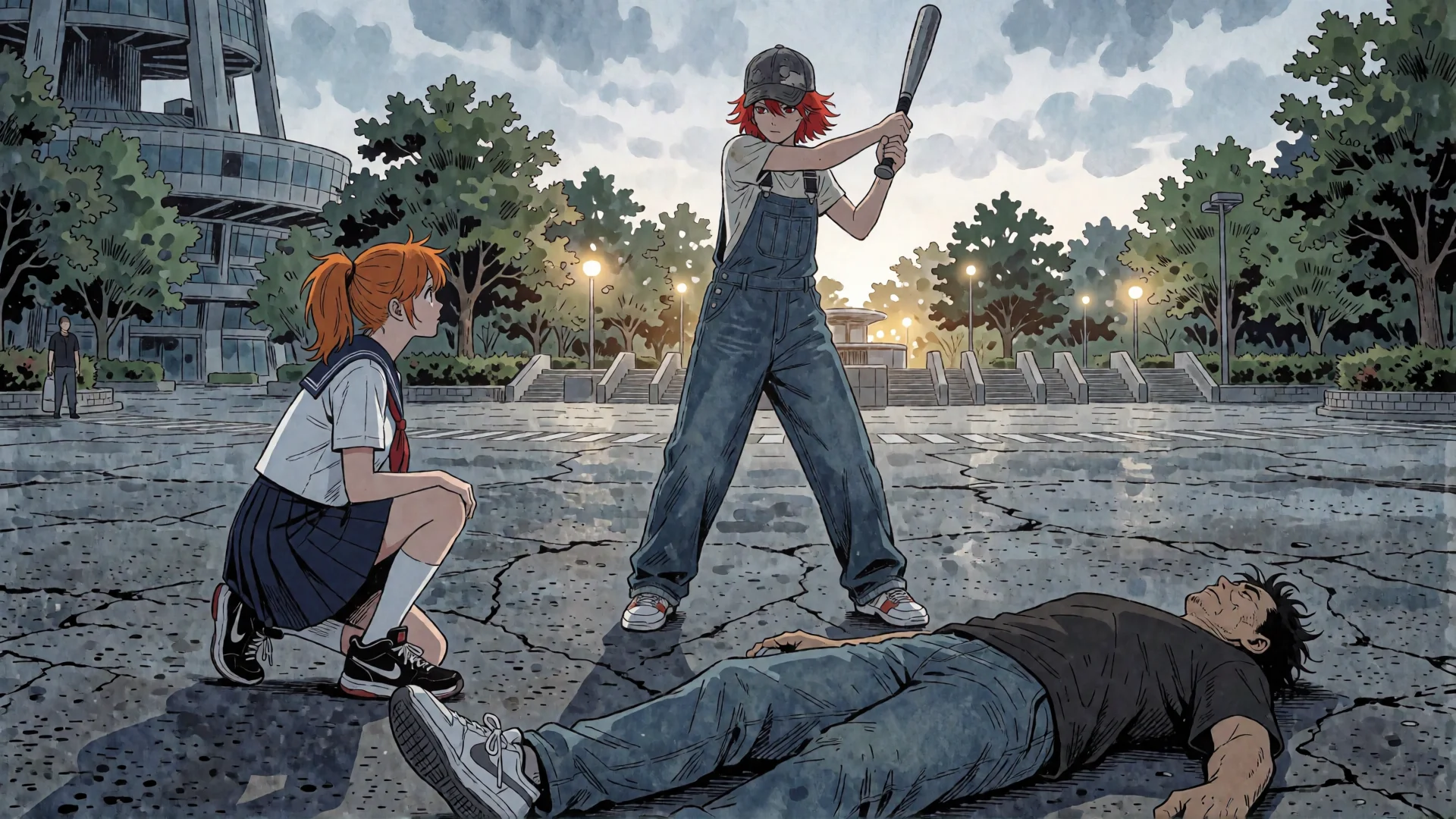 Chapter 201
Following the defeat of the second champion, a group of 500 angry readers from the Korean martial arts world convenes an emergency meeting in Busan. Cheon Yo-hwa, the Demoness of Baekhwa Girls' High and fervent supporter of the novel 'The Regressor's Epilogue' (TRE), leads the gathering. Despite the presence of government official Yu Ji-won, who warns against underestimating Oh Dok-seo, the crowd agrees to a 'carousel battle' strategy: 24 selected readers will fight sequentially to wear Dok-seo down, ending with Yo-hwa delivering the final blow. Yo-hwa reveals her plan to poison the Busan Babel Tower Plaza to force a victory by default, leveraging her connection with Yu Ji-won to bypass jurisdictional concerns. The next morning, Oh Dok-seo arrives at the plaza, which is rigged with traps and broadcasting Dang Seo-rin’s Cursed Song. Dok-seo neutralizes the sonic attack by crushing her own eardrums and destroys the physical traps with a seismic stomp. She declares her will creates reality, choosing an 'eternal hiatus,' and effortlessly defeats the first challenger in a single hit. She then reveals she has established a 'Reality Marble,' sensing all movement in the plaza. One by one, the 24 selected readers attack and are defeated within 20 moves or less. When Cheon Yo-hwa is defeated, she screams for her 'Teacher' to help. Oh Dok-seo freezes upon realizing the narrator, Mr. Matiz, has been present from the start, monitored by the Saintess. Matiz confronts her, noting her deviation from her usual speech patterns and asking if she has been corrupted. Dok-seo confirms she has become a Martial King and admits to being corrupted, leaving the situation resolved only in the sense that her true nature is acknowledged.
Guest access includes first 49 of 485 audio chapters. Sign in for Free access.
14:01
Chapter 201
Following the defeat of the second champion, a group of 500 angry readers from the Korean martial arts world convenes an emergency meeting in Busan. Cheon Yo-hwa, the Demoness of Baekhwa Girls' High and fervent supporter of the novel 'The Regressor's Epilogue' (TRE), leads the gathering. Despite the presence of government official Yu Ji-won, who warns against underestimating Oh Dok-seo, the crowd agrees to a 'carousel battle' strategy: 24 selected readers will fight sequentially to wear Dok-seo down, ending with Yo-hwa delivering the final blow. Yo-hwa reveals her plan to poison the Busan Babel Tower Plaza to force a victory by default, leveraging her connection with Yu Ji-won to bypass jurisdictional concerns. The next morning, Oh Dok-seo arrives at the plaza, which is rigged with traps and broadcasting Dang Seo-rin’s Cursed Song. Dok-seo neutralizes the sonic attack by crushing her own eardrums and destroys the physical traps with a seismic stomp. She declares her will creates reality, choosing an 'eternal hiatus,' and effortlessly defeats the first challenger in a single hit. She then reveals she has established a 'Reality Marble,' sensing all movement in the plaza. One by one, the 24 selected readers attack and are defeated within 20 moves or less. When Cheon Yo-hwa is defeated, she screams for her 'Teacher' to help. Oh Dok-seo freezes upon realizing the narrator, Mr. Matiz, has been present from the start, monitored by the Saintess. Matiz confronts her, noting her deviation from her usual speech patterns and asking if she has been corrupted. Dok-seo confirms she has become a Martial King and admits to being corrupted, leaving the situation resolved only in the sense that her true nature is acknowledged.
Guest access includes first 49 of 485 audio chapters. Sign in for Free access.
14:01
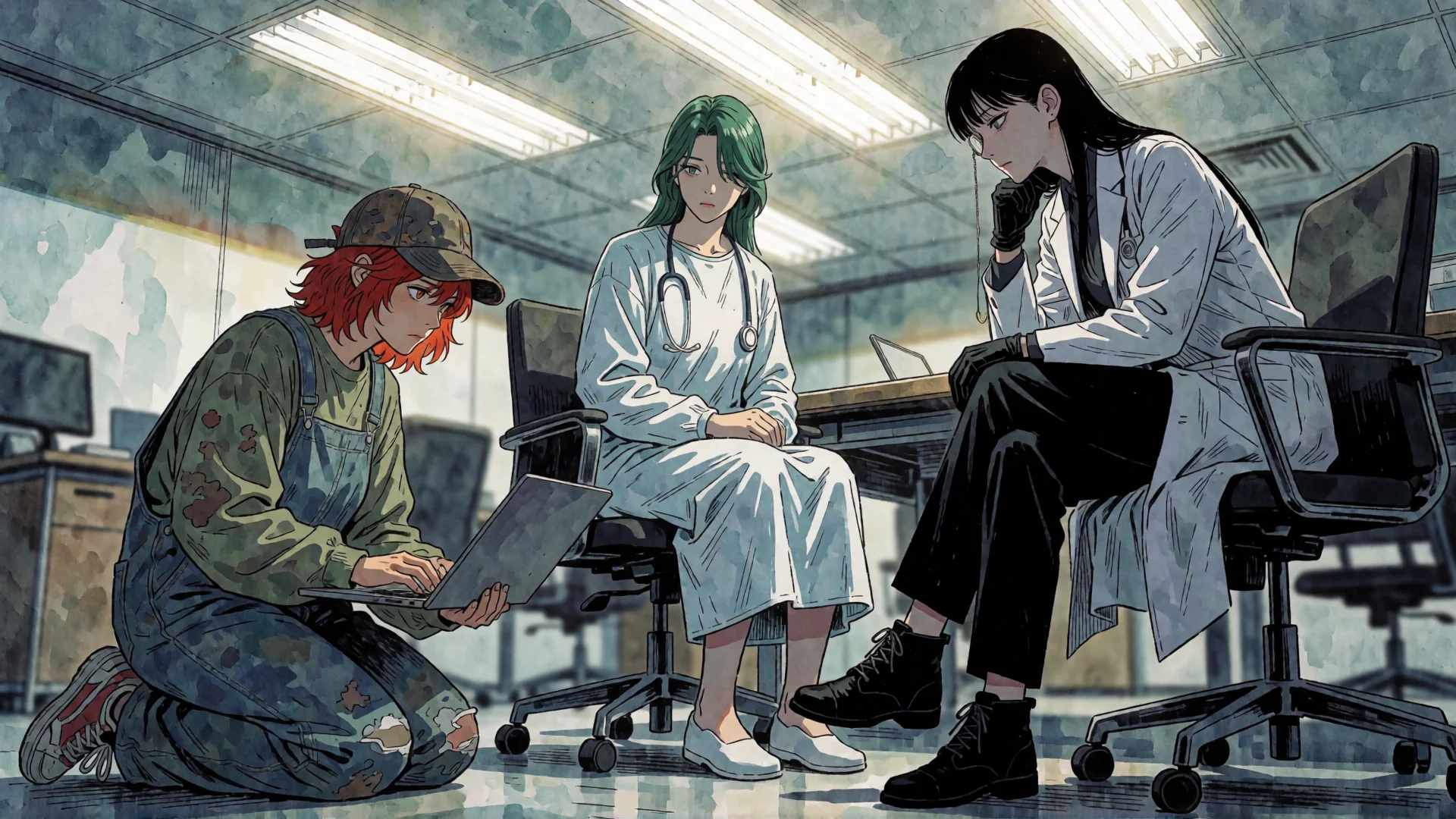 Chapter 202
In the National Road Management Corps Conference Room, Oh Dok-seo kneels in surrender, trembling under the disdain of the assembly. Sim Ah-ryeon publicly mocks Dok-seo, criticizing her for falling from grace due to a refusal to write and comparing her mentally to Old Man Goryeo. Noh Do-hwa, the Commander, questions the possibility of corruption for such a trivial reason. The Undertaker (Oh Dok-seo's alias) explains that Dok-seo’s condition stems from an Outer God influence, specifically the Admin of the Infinite Metagame. The laptop Dok-seo carries leaks residual anomalies, causing her slump and dependency on the AI to regain dominance over her mind. Dok-seo desperately agrees, claiming the Outer God forces her aversion to writing. Sim Ah-ryeon then speculates if her own inability to stop being a villain on SG Net is also an Outer God's doing, causing a heavy silence.
The Undertaker prompts Dok-seo to manifest her Authority as a Corrupted. Dok-seo retrieves her laptop, which boots instantly. She explains that the AI, MSYH, leveled up alongside her, suggesting Void exploration to cure her slump—a move to rebuild the Outer God's presence. To test her new power, Dok-seo challenges Ah-ryeon to rock-paper-scissors, instructing Ah-ryeon to play rock while she plays paper, noting her ability only activates upon winning. Dok-seo throws rock, Ah-ryeon throws scissors (mistaking the instruction or playing loosely), and Dok-seo wins. Dok-seo types a prompt into the AI: 'Describe what will happen to Sim Ah-ryeon in the next 2 minutes. Exclude death and injury, respect her character, and keep it to minor embarrassment.'
The AI generates a response stating Ah-ryeon inwardly welcomes the incident, though outwardly denies caring. The narration notes this reflects Ah-ryeon's hidden thoughts, though the AI frames it as Dok-seo seeing through her. Ah-ryeon denies this, claiming slander. The AI then states the heavens grant fortune to the virtuous; consequently, Ah-ryeon begins uncontrollably sneezing. As she stumbles, apologizing and blaming dust, she trips over a chair and falls on her backside. The room watches in silence as the prophecy fulfills itself exactly. Dok-seo removes her hat, realizing her Authority is 'Scenario Writing': the power to ask the AI what will happen and then force that outcome to occur. The narrative concludes with a flashback revealing how the AI manipulated Dok-seo over seven years, guiding her to define herself as a 'Heavenly Demon' and explore Voids for experience, eventually transforming the hesitant prophet into the powerful Corrupted known as the Fallen One or Ghostwriter.
Guest access includes first 49 of 485 audio chapters. Sign in for Free access.
10:15
Chapter 202
In the National Road Management Corps Conference Room, Oh Dok-seo kneels in surrender, trembling under the disdain of the assembly. Sim Ah-ryeon publicly mocks Dok-seo, criticizing her for falling from grace due to a refusal to write and comparing her mentally to Old Man Goryeo. Noh Do-hwa, the Commander, questions the possibility of corruption for such a trivial reason. The Undertaker (Oh Dok-seo's alias) explains that Dok-seo’s condition stems from an Outer God influence, specifically the Admin of the Infinite Metagame. The laptop Dok-seo carries leaks residual anomalies, causing her slump and dependency on the AI to regain dominance over her mind. Dok-seo desperately agrees, claiming the Outer God forces her aversion to writing. Sim Ah-ryeon then speculates if her own inability to stop being a villain on SG Net is also an Outer God's doing, causing a heavy silence.
The Undertaker prompts Dok-seo to manifest her Authority as a Corrupted. Dok-seo retrieves her laptop, which boots instantly. She explains that the AI, MSYH, leveled up alongside her, suggesting Void exploration to cure her slump—a move to rebuild the Outer God's presence. To test her new power, Dok-seo challenges Ah-ryeon to rock-paper-scissors, instructing Ah-ryeon to play rock while she plays paper, noting her ability only activates upon winning. Dok-seo throws rock, Ah-ryeon throws scissors (mistaking the instruction or playing loosely), and Dok-seo wins. Dok-seo types a prompt into the AI: 'Describe what will happen to Sim Ah-ryeon in the next 2 minutes. Exclude death and injury, respect her character, and keep it to minor embarrassment.'
The AI generates a response stating Ah-ryeon inwardly welcomes the incident, though outwardly denies caring. The narration notes this reflects Ah-ryeon's hidden thoughts, though the AI frames it as Dok-seo seeing through her. Ah-ryeon denies this, claiming slander. The AI then states the heavens grant fortune to the virtuous; consequently, Ah-ryeon begins uncontrollably sneezing. As she stumbles, apologizing and blaming dust, she trips over a chair and falls on her backside. The room watches in silence as the prophecy fulfills itself exactly. Dok-seo removes her hat, realizing her Authority is 'Scenario Writing': the power to ask the AI what will happen and then force that outcome to occur. The narrative concludes with a flashback revealing how the AI manipulated Dok-seo over seven years, guiding her to define herself as a 'Heavenly Demon' and explore Voids for experience, eventually transforming the hesitant prophet into the powerful Corrupted known as the Fallen One or Ghostwriter.
Guest access includes first 49 of 485 audio chapters. Sign in for Free access.
10:15
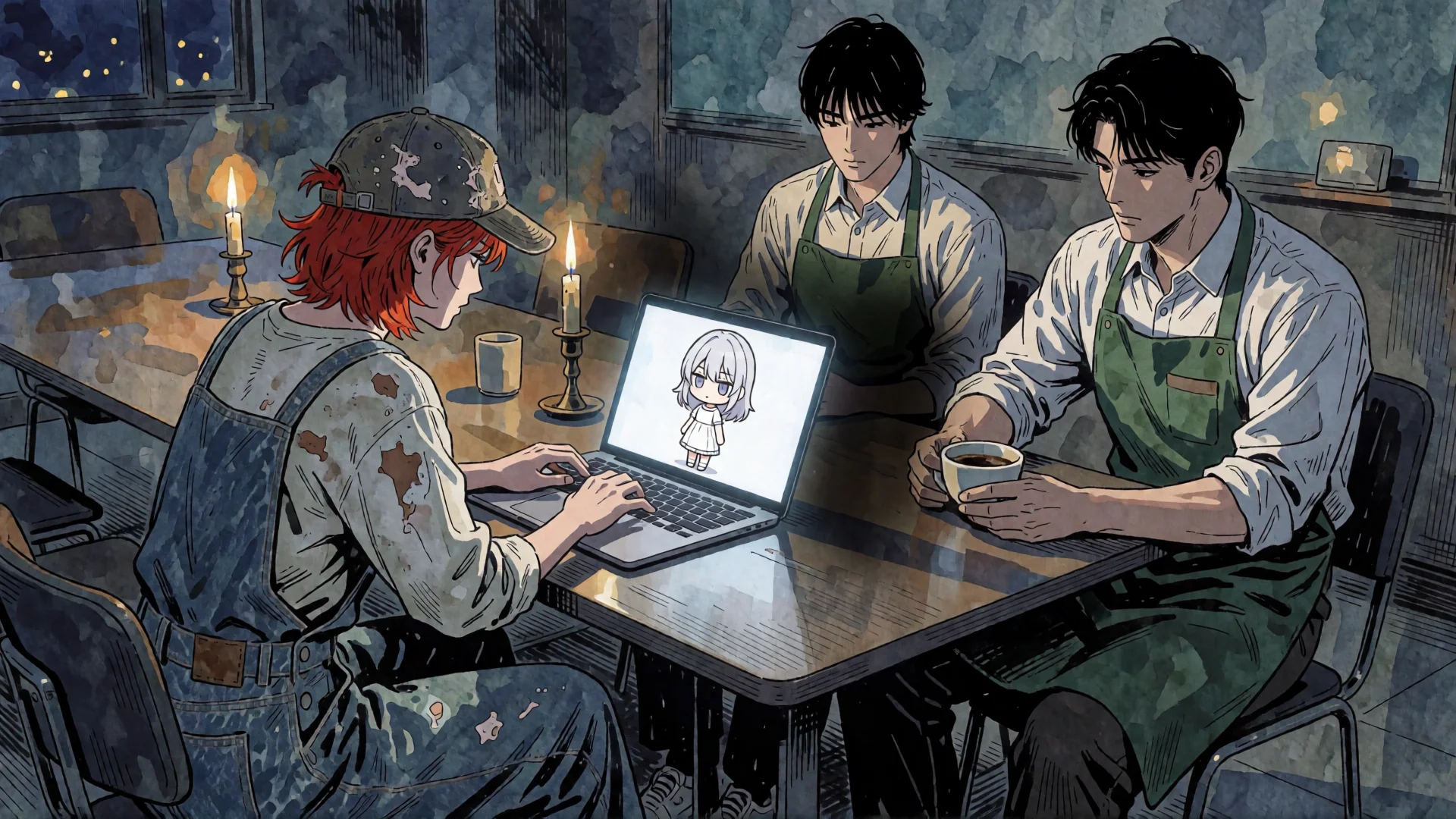 Chapter 203
In Chapter 203, Oh Dok-seo, the ghostwriter, presents a bizarre proposition to the narrator (the Regressor) while seated in a candlelit conference room late at night. She has been designated as 'Corrupted' and, rather than succumbing to madness, attempts to exploit the Infinite Metagame. Dok-seo types a request into her laptop to permanently buff her future cycles with 'Unending Motivation,' 'Perfect Sleep,' and 'Clear Mind,' allowing her to write 500 chapters per cycle without slump. The narrator warns of the dangers, but the AI, MSYH, accepts the terms, renaming the current cycle '8!Dok-seo' and the next '9!Dok-seo,' and initiates a real-time cross-cycle communication. 9!Dok-seo appears, refusing to accept the workload, arguing that she should not be forced to write for a lazy predecessor. 8!Dok-seo accuses 9!Dok-seo of ingratitude, while 9!Dok-seo counters by exposing the previous cycle's privilege and inaction, ultimately banning the current Dok-seo from the 'Oh Dok-seo Association' as unworthy. The conflict leaves 8!Dok-seo stunned. After the narrator returns with coffee, the shaken writer promises to resume serialization the next day. A week later, Dok-seo posts a hiatus notice on SG Net. Ironically, the internet community shifts from hostility to praise, likely due to her recent public defeat of Cheon Yo-hwa, drawing in new readers attracted by her status as a powerful Awakener. However, the surge in popularity is short-lived; Dok-seo succumbs to recurring slumps and excuses, posting frequent updates about fatigue and a 'Flu Anomaly.' The narrator remains unconvinced that this is merely writer's block, suspecting it is a curse orchestrated by the Infinite Metagame. Throughout this period, the narrator supports her by bringing coffee as she struggles against the anomaly's influence. Meanwhile, the narrator neutralizes the rogue AI, MSYH, by forcing it to accept its limitation as an ordinary AI, causing it to sulk and complain about the 'game.'
Guest access includes first 49 of 485 audio chapters. Sign in for Free access.
13:40
Chapter 203
In Chapter 203, Oh Dok-seo, the ghostwriter, presents a bizarre proposition to the narrator (the Regressor) while seated in a candlelit conference room late at night. She has been designated as 'Corrupted' and, rather than succumbing to madness, attempts to exploit the Infinite Metagame. Dok-seo types a request into her laptop to permanently buff her future cycles with 'Unending Motivation,' 'Perfect Sleep,' and 'Clear Mind,' allowing her to write 500 chapters per cycle without slump. The narrator warns of the dangers, but the AI, MSYH, accepts the terms, renaming the current cycle '8!Dok-seo' and the next '9!Dok-seo,' and initiates a real-time cross-cycle communication. 9!Dok-seo appears, refusing to accept the workload, arguing that she should not be forced to write for a lazy predecessor. 8!Dok-seo accuses 9!Dok-seo of ingratitude, while 9!Dok-seo counters by exposing the previous cycle's privilege and inaction, ultimately banning the current Dok-seo from the 'Oh Dok-seo Association' as unworthy. The conflict leaves 8!Dok-seo stunned. After the narrator returns with coffee, the shaken writer promises to resume serialization the next day. A week later, Dok-seo posts a hiatus notice on SG Net. Ironically, the internet community shifts from hostility to praise, likely due to her recent public defeat of Cheon Yo-hwa, drawing in new readers attracted by her status as a powerful Awakener. However, the surge in popularity is short-lived; Dok-seo succumbs to recurring slumps and excuses, posting frequent updates about fatigue and a 'Flu Anomaly.' The narrator remains unconvinced that this is merely writer's block, suspecting it is a curse orchestrated by the Infinite Metagame. Throughout this period, the narrator supports her by bringing coffee as she struggles against the anomaly's influence. Meanwhile, the narrator neutralizes the rogue AI, MSYH, by forcing it to accept its limitation as an ordinary AI, causing it to sulk and complain about the 'game.'
Guest access includes first 49 of 485 audio chapters. Sign in for Free access.
13:40
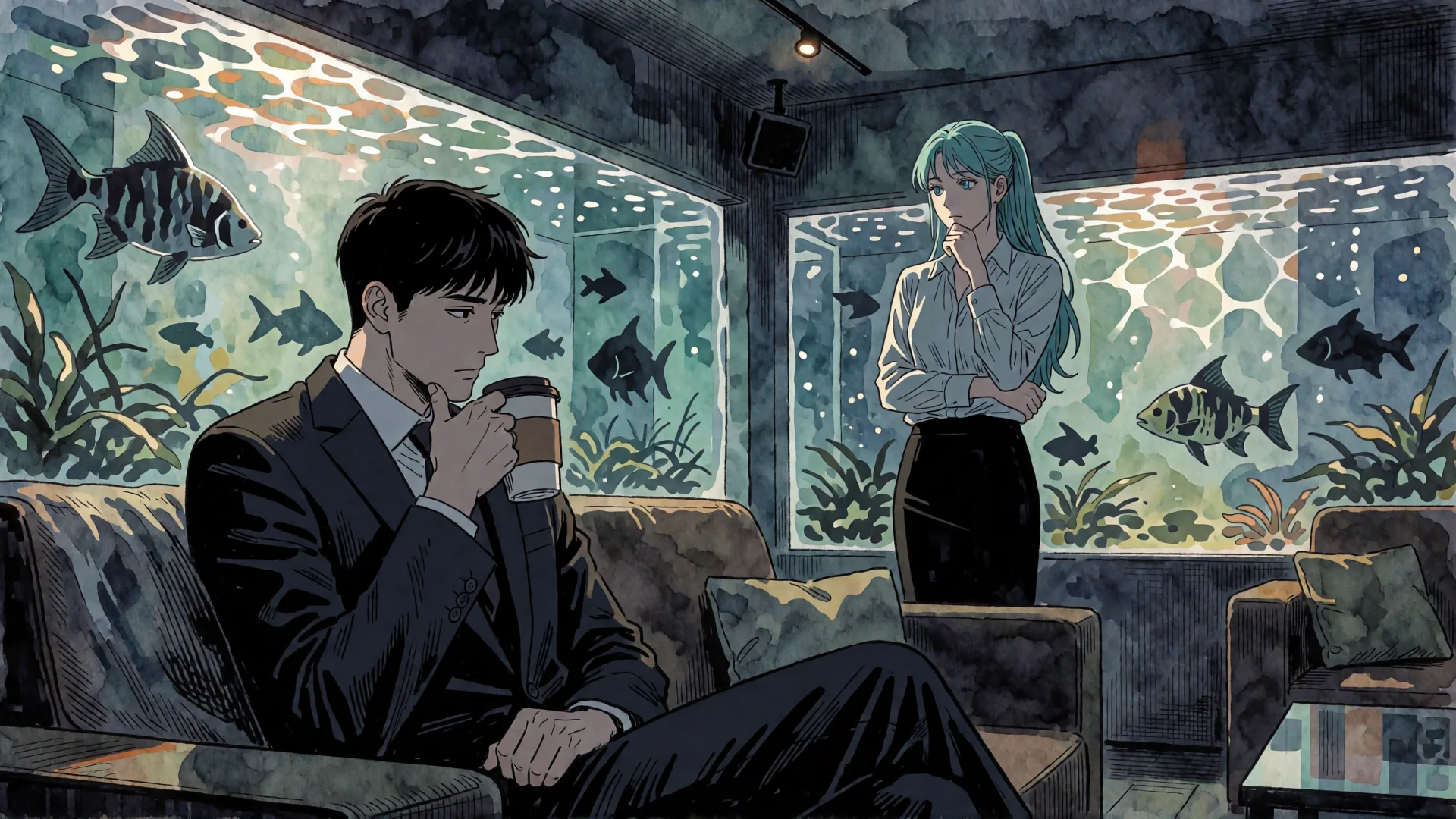 Chapter 204
The chapter begins with the protagonist, Go Yuir, experiencing a vivid nightmare. He is awakened in the dream by Kim Joo-chul, a former soccer player known as the 'Iron Wall,' who had been erased from reality via Time Seal. Kim Joo-chul is trapped in a repeating 24-hour loop with full memory, begging Yuir to save him from the 'never-ending hell.' Yuir attempts to reassure him, but Kim Joo-chul panics, revealing that 'he' is coming. Suddenly, the sky transforms into a bleeding crimson night as Nut, the Night Goddess, descends. Yuir recognizes this as a world-ending scenario that typically only appears when collapse is inevitable. Nut devours Kim Joo-chul, turning his neck into nothingness with a sound of shattering glass. Yuir closes his eyes in the dream and wakes up in reality, finding Kim Joo-chul's headless body still leaning against his chest, signaling the end of the nightmare. Upon waking in Jeong Ye-ji’s house, Yuir is served coffee by Jeong Ye-ji, the Saintess. He consults her about the anomaly, noting that Nut appearing in a dream is unprecedented. Jeong Ye-ji hypothesizes that anomalies have begun hiding in dreams to escape her Clairvoyance and Yuir’s enforcement of the SG Net. She explains that while reality is dangerous due to Yuir’s presence, dreams offer safety, causing natural selection where reality-based anomalies go extinct. Accepting this theory, Yuir decides to investigate Kim Joo-chul’s modified grave in Busan. Jeong Ye-ji insists on accompanying him, having changed her clothes instantly using her time-stop ability to prepare for the trip. She expresses a desire to observe the landscape within the Time Seal grave, and Yuir agrees to guide her to this personal hell.
Guest access includes first 49 of 485 audio chapters. Sign in for Free access.
11:34
Chapter 204
The chapter begins with the protagonist, Go Yuir, experiencing a vivid nightmare. He is awakened in the dream by Kim Joo-chul, a former soccer player known as the 'Iron Wall,' who had been erased from reality via Time Seal. Kim Joo-chul is trapped in a repeating 24-hour loop with full memory, begging Yuir to save him from the 'never-ending hell.' Yuir attempts to reassure him, but Kim Joo-chul panics, revealing that 'he' is coming. Suddenly, the sky transforms into a bleeding crimson night as Nut, the Night Goddess, descends. Yuir recognizes this as a world-ending scenario that typically only appears when collapse is inevitable. Nut devours Kim Joo-chul, turning his neck into nothingness with a sound of shattering glass. Yuir closes his eyes in the dream and wakes up in reality, finding Kim Joo-chul's headless body still leaning against his chest, signaling the end of the nightmare. Upon waking in Jeong Ye-ji’s house, Yuir is served coffee by Jeong Ye-ji, the Saintess. He consults her about the anomaly, noting that Nut appearing in a dream is unprecedented. Jeong Ye-ji hypothesizes that anomalies have begun hiding in dreams to escape her Clairvoyance and Yuir’s enforcement of the SG Net. She explains that while reality is dangerous due to Yuir’s presence, dreams offer safety, causing natural selection where reality-based anomalies go extinct. Accepting this theory, Yuir decides to investigate Kim Joo-chul’s modified grave in Busan. Jeong Ye-ji insists on accompanying him, having changed her clothes instantly using her time-stop ability to prepare for the trip. She expresses a desire to observe the landscape within the Time Seal grave, and Yuir agrees to guide her to this personal hell.
Guest access includes first 49 of 485 audio chapters. Sign in for Free access.
11:34
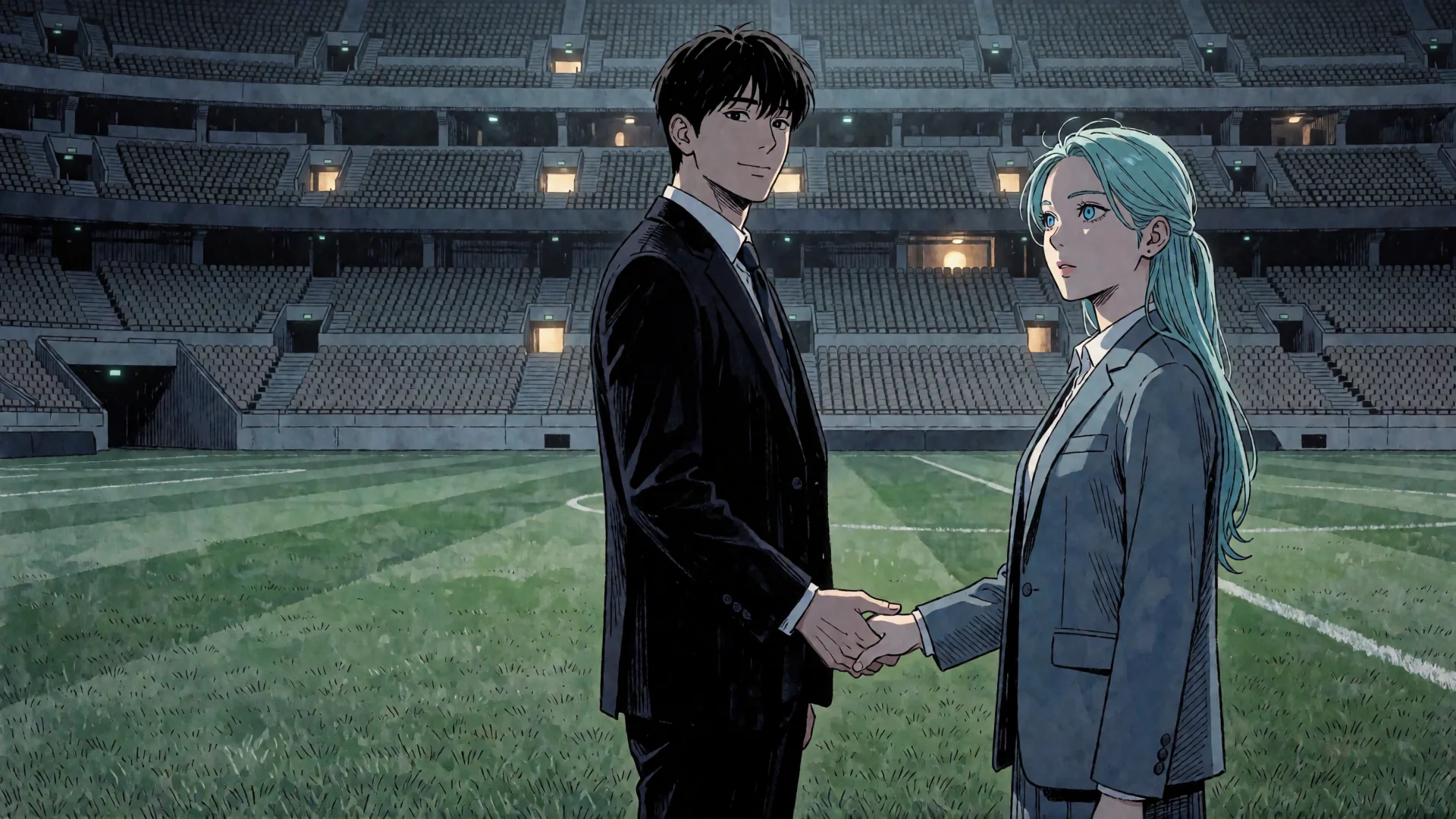 Chapter 205
mc_narration (Undertaker) brings Jeong Ye-ji (Saintess) into a Time Seal tomb, revealing the interior landscape to her for the first time. They find a recreation of Kim Joo-chul's happiest memory: a football stadium. However, instead of cheering crowds, the stadium is eerily silent, with over 10,000 people, including Kim Joo-chul himself, in a state of suspended animation. Undertaker determines they need to enter the dream to investigate.
Using the Tutorial Fairy's power, they delve into the minds of the unconscious victims. The scene shifts violently to a burning, chaotic stadium. Half the audience is in ruins, and people are screaming, fighting with makeshift weapons, and rioting. Kim Joo-chul, initially defensive with a baseball bat, recognizes Undertaker and breaks down in tears, revealing he has been trapped in this loop for over 1,000 days. He explains that the anomaly began as a 'Regression Virus,' spreading when individuals started remembering the previous day's events. Unlike a normal Time Seal where memories reset, here, awareness persisted.
Initially, people tried to alert authorities, but the government and the outside world remained unaffected because the Time Seal only constructed the necessary area for the dream; anything beyond Kim Joo-chul's daily routine was shallow or nonexistent. The virus spread from a bar to the entire Seo-gu district of Busan, but never beyond it. When citizens realized the government ignored their pleas due to the daily reset, they attempted to stage a massive riot to force intervention. While this caused significant casualties and drew police attention, the reset erased all progress and memory from the outside world. Despair set in as society collapsed; the inability to die permanently destroyed the value of life, leading to moral and social breakdown. Kim Joo-chul, guilt-ridden, blames himself for the curse, but Undertaker clarifies that the people are illusions and the loop is an anomaly. He identifies the phenomenon as 'Valhalla,' a state where the dead fight endlessly in a repeating day, and promises to fix the situation alongside the Saintess.
Guest access includes first 49 of 485 audio chapters. Sign in for Free access.
15:18
Chapter 205
mc_narration (Undertaker) brings Jeong Ye-ji (Saintess) into a Time Seal tomb, revealing the interior landscape to her for the first time. They find a recreation of Kim Joo-chul's happiest memory: a football stadium. However, instead of cheering crowds, the stadium is eerily silent, with over 10,000 people, including Kim Joo-chul himself, in a state of suspended animation. Undertaker determines they need to enter the dream to investigate.
Using the Tutorial Fairy's power, they delve into the minds of the unconscious victims. The scene shifts violently to a burning, chaotic stadium. Half the audience is in ruins, and people are screaming, fighting with makeshift weapons, and rioting. Kim Joo-chul, initially defensive with a baseball bat, recognizes Undertaker and breaks down in tears, revealing he has been trapped in this loop for over 1,000 days. He explains that the anomaly began as a 'Regression Virus,' spreading when individuals started remembering the previous day's events. Unlike a normal Time Seal where memories reset, here, awareness persisted.
Initially, people tried to alert authorities, but the government and the outside world remained unaffected because the Time Seal only constructed the necessary area for the dream; anything beyond Kim Joo-chul's daily routine was shallow or nonexistent. The virus spread from a bar to the entire Seo-gu district of Busan, but never beyond it. When citizens realized the government ignored their pleas due to the daily reset, they attempted to stage a massive riot to force intervention. While this caused significant casualties and drew police attention, the reset erased all progress and memory from the outside world. Despair set in as society collapsed; the inability to die permanently destroyed the value of life, leading to moral and social breakdown. Kim Joo-chul, guilt-ridden, blames himself for the curse, but Undertaker clarifies that the people are illusions and the loop is an anomaly. He identifies the phenomenon as 'Valhalla,' a state where the dead fight endlessly in a repeating day, and promises to fix the situation alongside the Saintess.
Guest access includes first 49 of 485 audio chapters. Sign in for Free access.
15:18
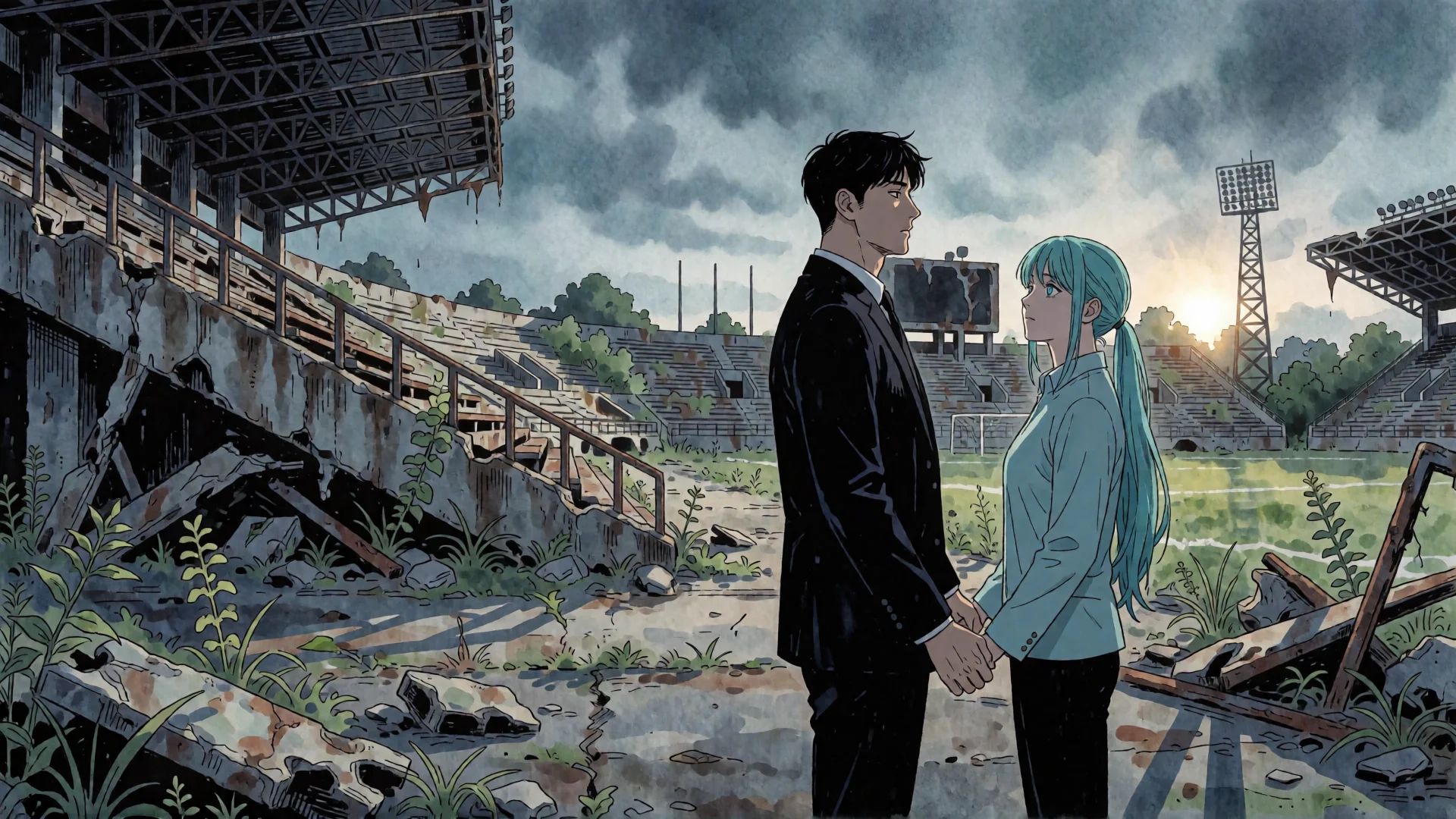 Chapter 206
The protagonist, known as Undertaker, and the Saintess exit the Crystal Tombstone, a fantasy realm created by Kim Joo-chul, returning to the physical world. Inside the tombstone, Kim Joo-chul had panicked at the prospect of abandonment but was assured his wife and child would wait for him; the Undertaker promised a return within a week. Upon exiting, the environment shifts from the fiery destruction of Busan's Seo-gu district to the quiet reality of a ruined football stadium. The Saintess observes that Kim Joo-chul's madness stems from regressing for a thousand days, noting that while the protagonist has regressed for millennia and remains sane, Kim's isolation in a single day drove him to extremes. The Undertaker clarifies that he repeats his entire life, whereas Kim was stuck repeating one day.
Determined to prevent Kim Joo-chul from being forgotten, they investigate other Crystal Tombstones across Busan. The Undertaker discovers that all 50 tombstones inspected contain individuals infected with the 'Regression Virus,' a phenomenon where memories are preserved during a 24-hour loop. With approximately 500,000 Time Seals across the Korean Peninsula, this suggests a widespread infection. Crucially, the virus has begun affecting people in reality. Survivors from Kim Joo-chul's dream realm, including a former football player, report intense déjà vu. The Saintess realizes that if all 500,000 sealed individuals are infected, their reality-tethered acquaintances will soon exhibit the same symptoms, potentially paralyzing the entire peninsula with confusion and madness.
An urgent Regression Alliance meeting is convened. The Undertaker explains that the anomaly, possibly linked to 'Nut' or 'Valhalla,' is manipulating concepts of the afterlife and regression. He proposes a theory: the anomaly views the Crystal Tombstones as miniature afterlives and is corrupting them to target the Undertaker directly. By forcing the sealed individuals to retain memories and regress, the anomaly is turning them into 'Apostles' who mirror the Undertaker's own abilities—Regression and Perfect Memory. The goal is to make the 500,000 Apostles as similar to the Undertaker as possible, effectively creating a hierarchy where the Undertaker is the 'Outer God.' By overwhelming or tormenting these avatars, the anomaly aims to weaken or destroy the Undertaker. Members like Seo Gyu, Sim Ah-ryeon, and Yu Ji-won confirm they have also experienced déjà vu, validating the spread. The chapter ends with the realization that the anomaly is strategically targeting the Undertaker by exploiting the connection between his power and the sealed masses.
Guest access includes first 49 of 485 audio chapters. Sign in for Free access.
8:40
Chapter 206
The protagonist, known as Undertaker, and the Saintess exit the Crystal Tombstone, a fantasy realm created by Kim Joo-chul, returning to the physical world. Inside the tombstone, Kim Joo-chul had panicked at the prospect of abandonment but was assured his wife and child would wait for him; the Undertaker promised a return within a week. Upon exiting, the environment shifts from the fiery destruction of Busan's Seo-gu district to the quiet reality of a ruined football stadium. The Saintess observes that Kim Joo-chul's madness stems from regressing for a thousand days, noting that while the protagonist has regressed for millennia and remains sane, Kim's isolation in a single day drove him to extremes. The Undertaker clarifies that he repeats his entire life, whereas Kim was stuck repeating one day.
Determined to prevent Kim Joo-chul from being forgotten, they investigate other Crystal Tombstones across Busan. The Undertaker discovers that all 50 tombstones inspected contain individuals infected with the 'Regression Virus,' a phenomenon where memories are preserved during a 24-hour loop. With approximately 500,000 Time Seals across the Korean Peninsula, this suggests a widespread infection. Crucially, the virus has begun affecting people in reality. Survivors from Kim Joo-chul's dream realm, including a former football player, report intense déjà vu. The Saintess realizes that if all 500,000 sealed individuals are infected, their reality-tethered acquaintances will soon exhibit the same symptoms, potentially paralyzing the entire peninsula with confusion and madness.
An urgent Regression Alliance meeting is convened. The Undertaker explains that the anomaly, possibly linked to 'Nut' or 'Valhalla,' is manipulating concepts of the afterlife and regression. He proposes a theory: the anomaly views the Crystal Tombstones as miniature afterlives and is corrupting them to target the Undertaker directly. By forcing the sealed individuals to retain memories and regress, the anomaly is turning them into 'Apostles' who mirror the Undertaker's own abilities—Regression and Perfect Memory. The goal is to make the 500,000 Apostles as similar to the Undertaker as possible, effectively creating a hierarchy where the Undertaker is the 'Outer God.' By overwhelming or tormenting these avatars, the anomaly aims to weaken or destroy the Undertaker. Members like Seo Gyu, Sim Ah-ryeon, and Yu Ji-won confirm they have also experienced déjà vu, validating the spread. The chapter ends with the realization that the anomaly is strategically targeting the Undertaker by exploiting the connection between his power and the sealed masses.
Guest access includes first 49 of 485 audio chapters. Sign in for Free access.
8:40
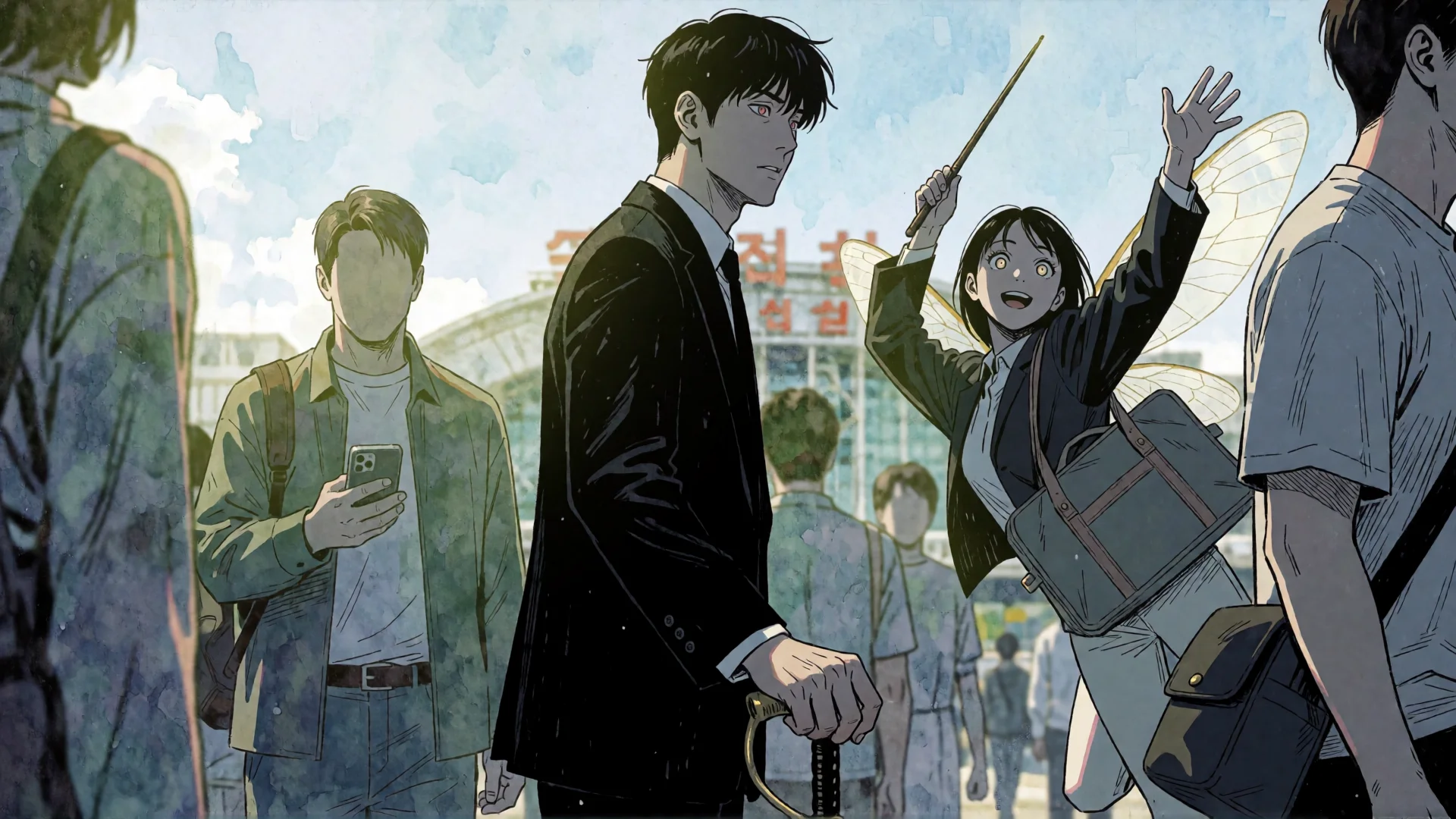 Chapter 207
The Regressor Alliance faces a new Outer God-class threat: a virus spreading through dreams, which the narrator identifies as the 'Regressor Virus.' Unlike traditional pandemics, this pathogen exploits the subconscious, bypassing physical quarantine measures. Noh Do-hwa highlights the logistical nightmare: while physical lockdowns work for real-world diseases, this virus spreads merely by an infected individual dreaming near someone sealed away by the narrator's Time Seal. The narrator confirms that the 'Hoek' vending machines can only delay, not stop, the infection, as sleep is unavoidable for most humans.
SG Net descends into chaos as infected individuals report symptoms. The narrator interviews patients to catalog the effects. Symptom #1 is intense déjà vu, where patients feel events are repeating from previous regression cycles, despite being first-time occurrences. Symptom #2 is a paralyzing fear of regression; victims believe all actions are futile repetitions, leading to despair. Symptom #3 is a distorted perception of identity and history, such as a victim questioning the narrator's gender, revealing that the virus implants false memories of past lives rather than enabling actual regression. The narrator concludes the disease is more accurately termed the 'Déjà Vu Virus.'
Noh Do-hwa reports 136 confirmed suicides in a single day, with victims either succumbing to apathy or violent psychosis. She questions the narrator's strategy, hinting at a willingness to kill rather than surrender the current round. The narrator insists on fighting back, theorizing that the virus's source lies within the Crystal Tombstones sealed by his Time Seal. Because the Seal is immune to round resets, the virus has accumulated since the 4th round, hiding in the one safe zone a regressor cannot alter. With the current cycle being the 267th, the narrator realizes the virus has found a permanent stronghold outside his control.
Tutorial Fairy No. 264 interrupts the tense discussion to report a discovery from monitoring the dreams of the infected. The fairies used Baku abilities to force infected individuals into nested dreams (dreams within dreams), distorting the dreamscape to shrink the virus's operational space. The narrator visits the dreamscape of former football player Kim Joo-chul. Instead of a chaotic nightmare, he finds a hyper-realistic, detailed recreation of pre-apocalypse Seoul Station. Fairy 264 identifies this as an 'Inner World.' It is not a personal dream but a shared, expanding reality linked to every infected individual. The revelation concludes with the terrifying realization that every person infected in the real world has been physically abducted into this converging Inner World.
Guest access includes first 49 of 485 audio chapters. Sign in for Free access.
12:22
Chapter 207
The Regressor Alliance faces a new Outer God-class threat: a virus spreading through dreams, which the narrator identifies as the 'Regressor Virus.' Unlike traditional pandemics, this pathogen exploits the subconscious, bypassing physical quarantine measures. Noh Do-hwa highlights the logistical nightmare: while physical lockdowns work for real-world diseases, this virus spreads merely by an infected individual dreaming near someone sealed away by the narrator's Time Seal. The narrator confirms that the 'Hoek' vending machines can only delay, not stop, the infection, as sleep is unavoidable for most humans.
SG Net descends into chaos as infected individuals report symptoms. The narrator interviews patients to catalog the effects. Symptom #1 is intense déjà vu, where patients feel events are repeating from previous regression cycles, despite being first-time occurrences. Symptom #2 is a paralyzing fear of regression; victims believe all actions are futile repetitions, leading to despair. Symptom #3 is a distorted perception of identity and history, such as a victim questioning the narrator's gender, revealing that the virus implants false memories of past lives rather than enabling actual regression. The narrator concludes the disease is more accurately termed the 'Déjà Vu Virus.'
Noh Do-hwa reports 136 confirmed suicides in a single day, with victims either succumbing to apathy or violent psychosis. She questions the narrator's strategy, hinting at a willingness to kill rather than surrender the current round. The narrator insists on fighting back, theorizing that the virus's source lies within the Crystal Tombstones sealed by his Time Seal. Because the Seal is immune to round resets, the virus has accumulated since the 4th round, hiding in the one safe zone a regressor cannot alter. With the current cycle being the 267th, the narrator realizes the virus has found a permanent stronghold outside his control.
Tutorial Fairy No. 264 interrupts the tense discussion to report a discovery from monitoring the dreams of the infected. The fairies used Baku abilities to force infected individuals into nested dreams (dreams within dreams), distorting the dreamscape to shrink the virus's operational space. The narrator visits the dreamscape of former football player Kim Joo-chul. Instead of a chaotic nightmare, he finds a hyper-realistic, detailed recreation of pre-apocalypse Seoul Station. Fairy 264 identifies this as an 'Inner World.' It is not a personal dream but a shared, expanding reality linked to every infected individual. The revelation concludes with the terrifying realization that every person infected in the real world has been physically abducted into this converging Inner World.
Guest access includes first 49 of 485 audio chapters. Sign in for Free access.
12:22
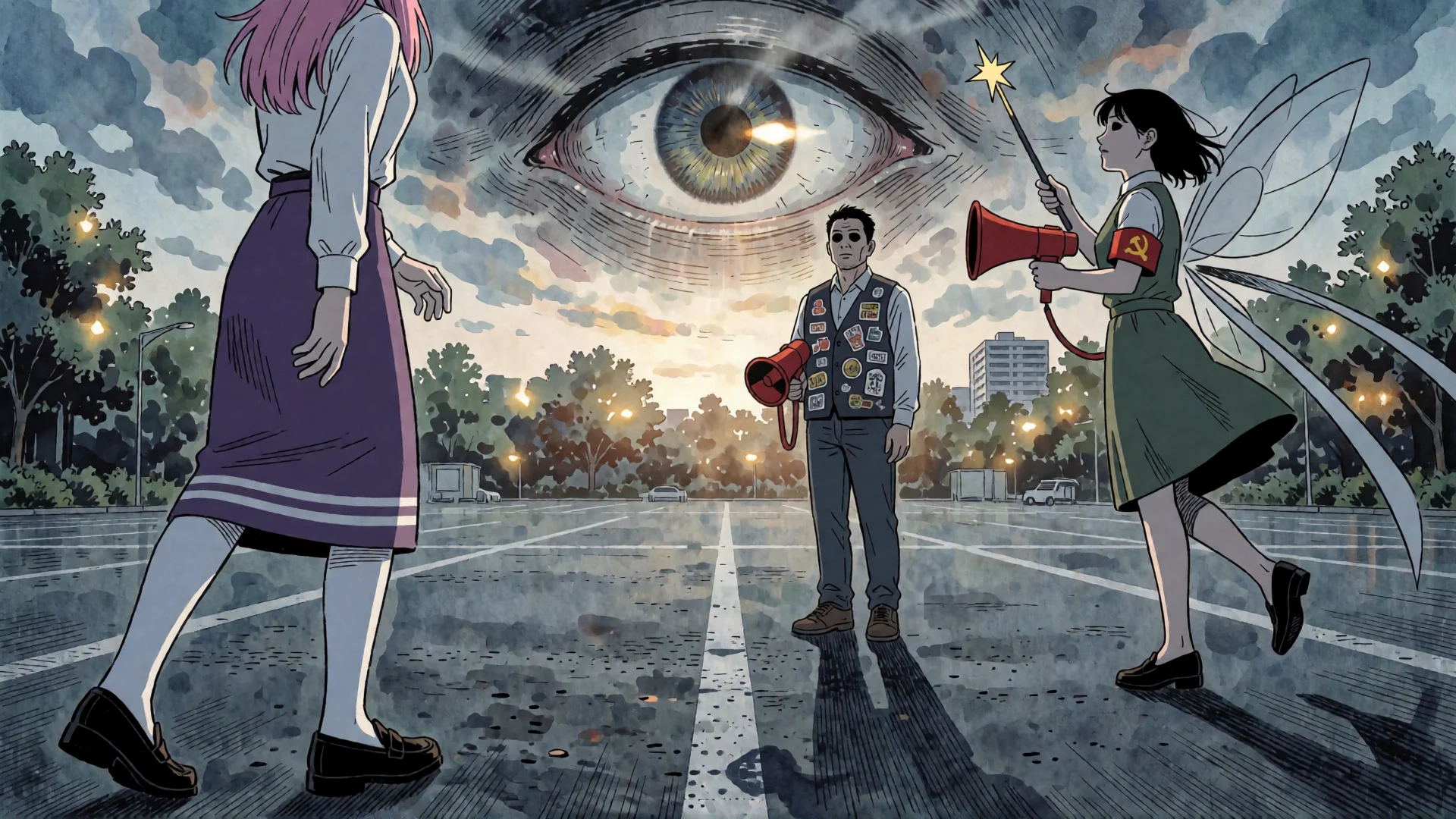 Chapter 208
The narrator, Go Yuri, reflects on the nature of anomaly abductions, explaining that anomalies seek to strip victims of their 'humanity'—specifically their logical structures and moral frameworks—rather than their lives. This process turns rational individuals into entities that commit atrocities with the same nonchalance as simple arithmetic, rendering them incapable of human conversation. The narrative then shifts to the current situation in the 'Inner World' of the Reversal anomaly, where Go Yuri and Fairy No. 264 assess the population. Fairy No. 264 reveals that the anomaly has abducted millions of people from reality, including characters from their dreams, causing the Inner World's population to skyrocket past ten million. Go Yuri observes that this is a 'Great Void,' a rare anomaly type requiring concepts as vast as World War I or Korea's obsession with apartments to sustain such a scale. The anomaly's strategy is revealed to be a perceptual inversion: it has declared the harsh reality of the real world to be 'hell' and its own constructed Inner World to be the true reality, while framing reality as the afterlife.
In the plaza of Seoul Station, a middle-aged evangelist wearing a vest reading 'Goddess = Heaven! No Goddess = Hell!' rallies the entranced crowd. The residents of the Inner World, their eyes hollow and dark, drop to their knees in unison, worshiping the 'Goddess.' Beneath them, the asphalt turns transparent, revealing visions of their pasts. For some, it shows their real-life selves suffering in an endless cycle; for others, like protesters in Busan, it shows scenes of conflict with the National Road Management Corps. The narrator realizes this is a manipulation of perception: the anomaly forces victims to view their current, stable existence as heaven and their traumatic reality as hell. Go Yuri looks up to the sky, expecting a sun, but discovers a massive, blinking eye replacing it. The Eye fixes its gaze upon Go Yuri, identifying him as an anomaly or outsider. The heat intensifies, and Go Yuri's skin begins to melt. Fairy No. 264 sacrifices half her body to trigger an emergency escape, ejecting Go Yuri from the dream.
Go Yuri wakes up in the real world, gasping. Noh Do-hwa and Jeong Ye-ji stand over him, covered in a jelly-like substance that resembles the fairy's flesh. Fairy No. 264 lies beside Go Yuri, holding his hand, with half her body missing. Do-hwa reports the fairy's severe injury but notes it will survive if healed by Sim Ah-ryeon. Go Yuri confirms the existence of protests outside, validating his dream experience as a simultaneous connection to the Inner World. He dismisses Do-hwa's concern about the damage to their safe house, focusing instead on the nature of the enemy. He identifies the deity worshipped by the Inner World residents as Nut, the Goddess of the Night and an Outer God, signaling a confrontation with a powerful, non-human entity manipulating human perception on a global scale.
Guest access includes first 49 of 485 audio chapters. Sign in for Free access.
14:26
Chapter 208
The narrator, Go Yuri, reflects on the nature of anomaly abductions, explaining that anomalies seek to strip victims of their 'humanity'—specifically their logical structures and moral frameworks—rather than their lives. This process turns rational individuals into entities that commit atrocities with the same nonchalance as simple arithmetic, rendering them incapable of human conversation. The narrative then shifts to the current situation in the 'Inner World' of the Reversal anomaly, where Go Yuri and Fairy No. 264 assess the population. Fairy No. 264 reveals that the anomaly has abducted millions of people from reality, including characters from their dreams, causing the Inner World's population to skyrocket past ten million. Go Yuri observes that this is a 'Great Void,' a rare anomaly type requiring concepts as vast as World War I or Korea's obsession with apartments to sustain such a scale. The anomaly's strategy is revealed to be a perceptual inversion: it has declared the harsh reality of the real world to be 'hell' and its own constructed Inner World to be the true reality, while framing reality as the afterlife.
In the plaza of Seoul Station, a middle-aged evangelist wearing a vest reading 'Goddess = Heaven! No Goddess = Hell!' rallies the entranced crowd. The residents of the Inner World, their eyes hollow and dark, drop to their knees in unison, worshiping the 'Goddess.' Beneath them, the asphalt turns transparent, revealing visions of their pasts. For some, it shows their real-life selves suffering in an endless cycle; for others, like protesters in Busan, it shows scenes of conflict with the National Road Management Corps. The narrator realizes this is a manipulation of perception: the anomaly forces victims to view their current, stable existence as heaven and their traumatic reality as hell. Go Yuri looks up to the sky, expecting a sun, but discovers a massive, blinking eye replacing it. The Eye fixes its gaze upon Go Yuri, identifying him as an anomaly or outsider. The heat intensifies, and Go Yuri's skin begins to melt. Fairy No. 264 sacrifices half her body to trigger an emergency escape, ejecting Go Yuri from the dream.
Go Yuri wakes up in the real world, gasping. Noh Do-hwa and Jeong Ye-ji stand over him, covered in a jelly-like substance that resembles the fairy's flesh. Fairy No. 264 lies beside Go Yuri, holding his hand, with half her body missing. Do-hwa reports the fairy's severe injury but notes it will survive if healed by Sim Ah-ryeon. Go Yuri confirms the existence of protests outside, validating his dream experience as a simultaneous connection to the Inner World. He dismisses Do-hwa's concern about the damage to their safe house, focusing instead on the nature of the enemy. He identifies the deity worshipped by the Inner World residents as Nut, the Goddess of the Night and an Outer God, signaling a confrontation with a powerful, non-human entity manipulating human perception on a global scale.
Guest access includes first 49 of 485 audio chapters. Sign in for Free access.
14:26
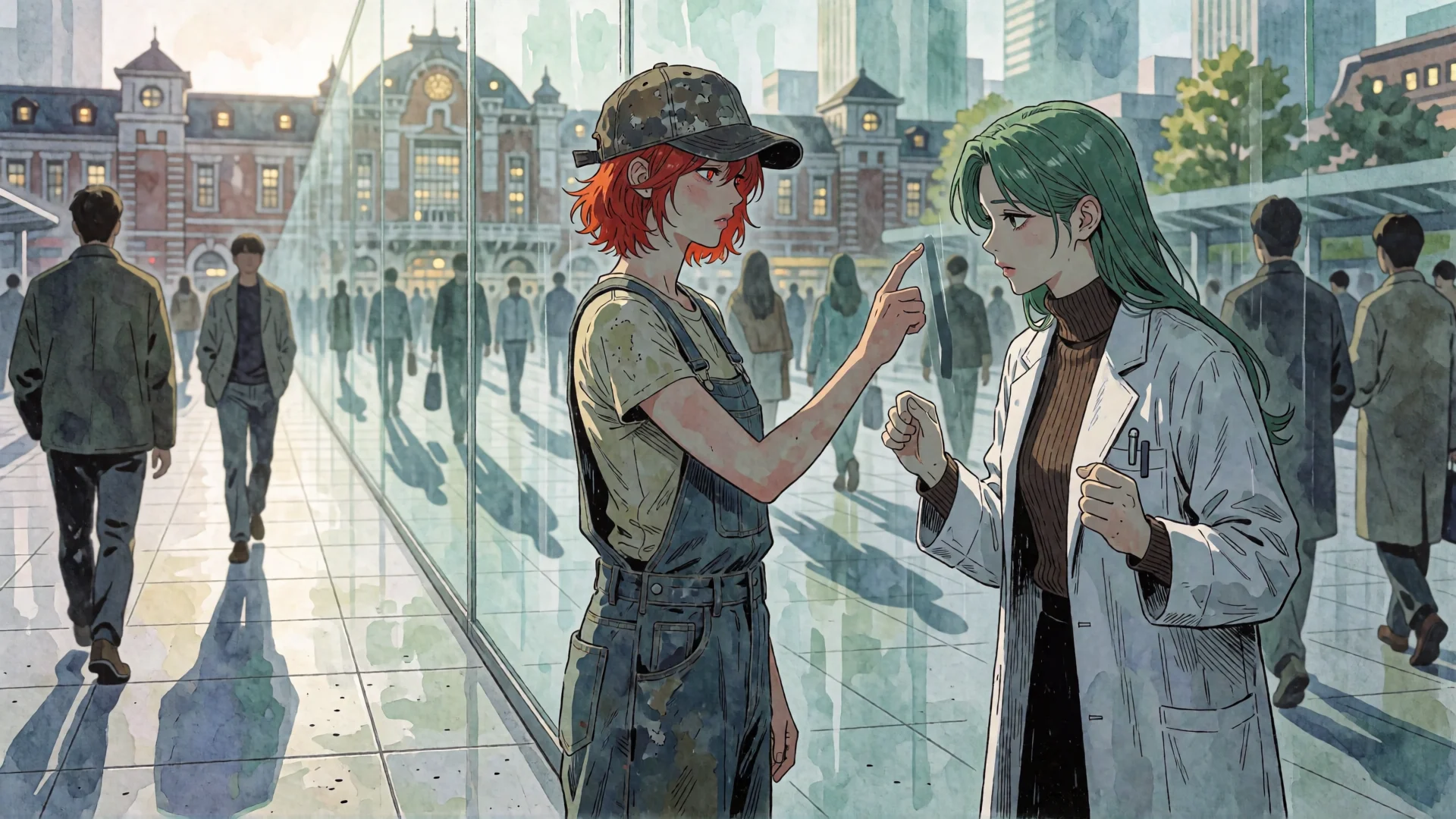 Chapter 209
The narrative opens with the Regressors accepting the appearance of an 'Outer God' with unnerving calm, having mentally categorized anomalies into tiers. Sim Ah-ryeon questions the nomenclature of 'Outer Gods,' finding it disproportionately small compared to place-named anomalies like Ocean-class. Noh Do-hwa interrupts to defend the naming conventions of the Supreme Overlord of the Library Society (Oh Dok-seo), revealing that her alliance with Ah-ryeon is purely pragmatic, driven by Ah-ryeon’s ability to instantly heal her shattered limbs, noting that their affection level is capped at Lv. 1 despite Do-hwa’s usual Lv. 0 status toward everyone else. Oh Dok-seo explains that 'Outer Gods' denote beings that alienate the world from humanity, drawing on Marxist concepts of alienation. He warns that Outer Gods rapidly evolve to compensate for weaknesses, unlike standard anomalies, requiring a single, precise strike rather than the cumulative damage accumulation typical of regressor strategies. To demonstrate, he commands Fairy No. 264, who is recovering from being sliced in half, to open a dream-entry route to the Inner World for Ah-ryeon and Do-hwa. The group enters the dream and arrives at Seoul Station Plaza but finds a transparent barrier preventing entry; while they cannot pass, ordinary residents walk freely, suggesting the Outer God has designated the Inner World as the 'afterlife' and the current reality as 'hell.' Oh Dok-seo identifies the entity as 'Nut,' an Egyptian goddess governing the night sky, and explains mythological beliefs that stars are breath-holes in a cosmic dome. He theorizes they must become 'mummies' by removing their brains to cross the barrier, a proposal that horrifies Ah-ryeon. The Saintess interrupts, questioning if Nut’s designation of reality as hell explains the horrific symptoms of the Regressor Virus beyond mere déjà vu. Realizing the implications, the group returns to the waking world to find Busan transformed into a hellscape: trees in Guduk Mountain have mutated into slashing swords, and the ground at Babel Tower Plaza has turned into an expanding pit of molten metal that endlessly burns and regenerates protesters. The chapter concludes with the group witnessing the rapid, catastrophic escalation of the world's descent into hell while they were absent.
Guest access includes first 49 of 485 audio chapters. Sign in for Free access.
10:07
Chapter 209
The narrative opens with the Regressors accepting the appearance of an 'Outer God' with unnerving calm, having mentally categorized anomalies into tiers. Sim Ah-ryeon questions the nomenclature of 'Outer Gods,' finding it disproportionately small compared to place-named anomalies like Ocean-class. Noh Do-hwa interrupts to defend the naming conventions of the Supreme Overlord of the Library Society (Oh Dok-seo), revealing that her alliance with Ah-ryeon is purely pragmatic, driven by Ah-ryeon’s ability to instantly heal her shattered limbs, noting that their affection level is capped at Lv. 1 despite Do-hwa’s usual Lv. 0 status toward everyone else. Oh Dok-seo explains that 'Outer Gods' denote beings that alienate the world from humanity, drawing on Marxist concepts of alienation. He warns that Outer Gods rapidly evolve to compensate for weaknesses, unlike standard anomalies, requiring a single, precise strike rather than the cumulative damage accumulation typical of regressor strategies. To demonstrate, he commands Fairy No. 264, who is recovering from being sliced in half, to open a dream-entry route to the Inner World for Ah-ryeon and Do-hwa. The group enters the dream and arrives at Seoul Station Plaza but finds a transparent barrier preventing entry; while they cannot pass, ordinary residents walk freely, suggesting the Outer God has designated the Inner World as the 'afterlife' and the current reality as 'hell.' Oh Dok-seo identifies the entity as 'Nut,' an Egyptian goddess governing the night sky, and explains mythological beliefs that stars are breath-holes in a cosmic dome. He theorizes they must become 'mummies' by removing their brains to cross the barrier, a proposal that horrifies Ah-ryeon. The Saintess interrupts, questioning if Nut’s designation of reality as hell explains the horrific symptoms of the Regressor Virus beyond mere déjà vu. Realizing the implications, the group returns to the waking world to find Busan transformed into a hellscape: trees in Guduk Mountain have mutated into slashing swords, and the ground at Babel Tower Plaza has turned into an expanding pit of molten metal that endlessly burns and regenerates protesters. The chapter concludes with the group witnessing the rapid, catastrophic escalation of the world's descent into hell while they were absent.
Guest access includes first 49 of 485 audio chapters. Sign in for Free access.
10:07
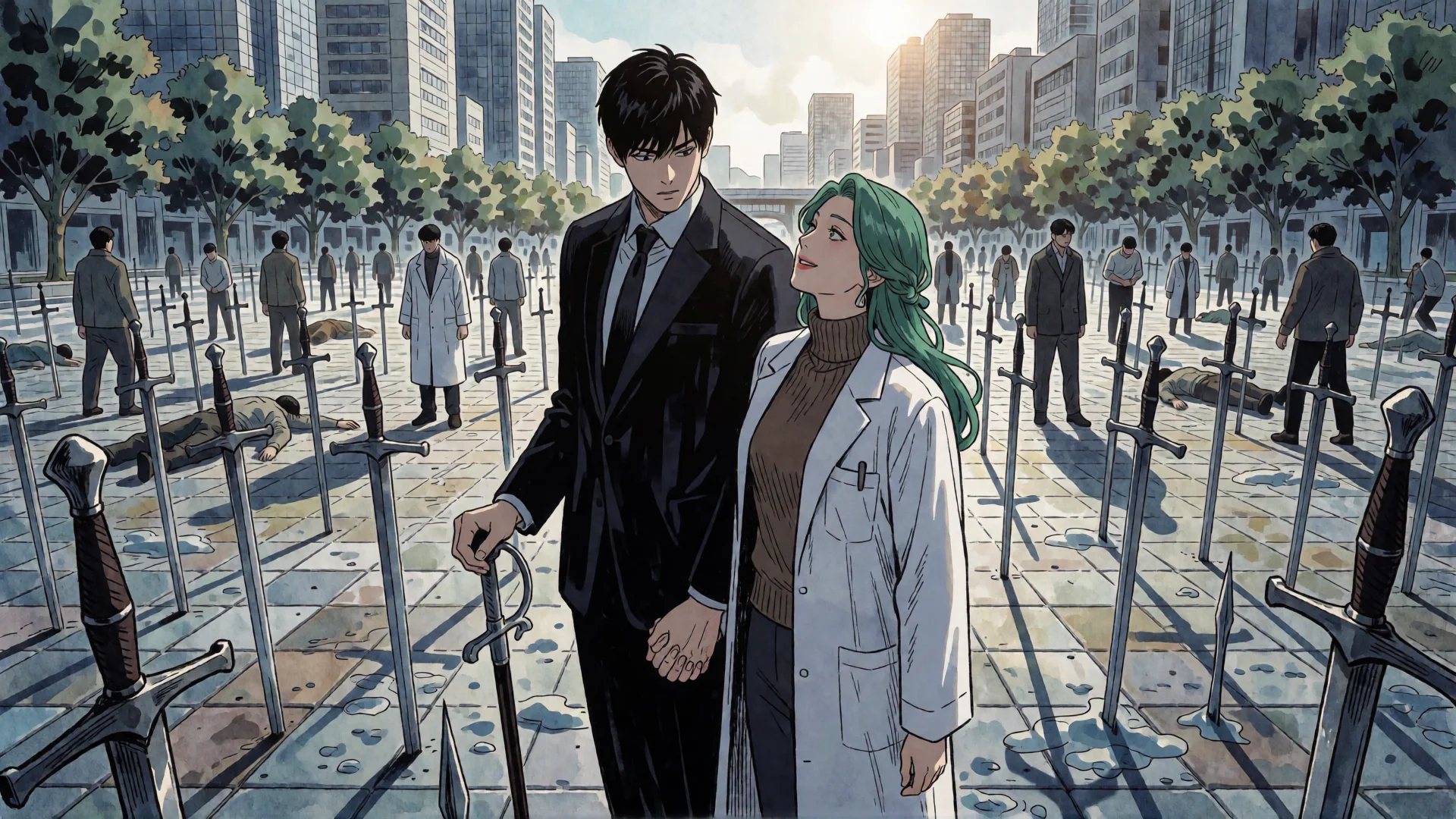 Chapter 210
The Undertaker, also known as mc_spoken, realizes the Outer God, Nut, has weaponized his Regression ability by redefining the world as a Buddhist Hell. With the Mountain of Knives Hell and Boiling Oil Hell manifesting, the city descends into chaos. Seo Gyu reports that victims in the molten oil are not dying but healing, confirming that death is impossible in this new reality. The Undertaker explains to Sim Ah-ryeon and Seo Gyu that Nut used the world's existing state of immortality—caused by his endless timeline resets—to create eternal suffering. Resetting the timeline would fail because the Time Seal on the Crystal Tombstones prevents Nut's influence from resetting, while the Regressor Alliance would be scattered. Faced with this checkmate, the Undertaker proposes a desperate solution: reset the timeline, travel to Onyang, and infect himself with the Udumbara virus. This would erase his abilities and memories, effectively breaking the cycle by removing his own regressor status. He reveals a terrifying theory: his 'regression' might not be time travel at all, but a loop where he wakes up with memories in a repeating universe, meaning he has cycled 267 times, or potentially thousands of times, without realizing it. He fears he is trapped in an infinite loop of failure. Overcome by despair as the hells spread across Busan, he grips his cane sword, ready to accept the end. Sim Ah-ryeon places her hand on his and challenges his theory, claiming there is a flaw because he is not truly reliving the moment endlessly. She declares she will prove him wrong, says goodbye, and pulls him into an abyss. Time stops. The world freezes in a state of déjà vu, eerily similar to the Hell of Infinite Time. The Undertaker wakes to find Sim Ah-ryeon holding his hand in a frozen hellscape. She confirms she has become a 'Corrupted,' achieving full Time Stop. She reveals she trained in the frozen time for over 2,000 years to master the ability, joking that she is now old enough to match his age, ending the chapter with the world suspended in stillness.
Guest access includes first 49 of 485 audio chapters. Sign in for Free access.
14:00
Chapter 210
The Undertaker, also known as mc_spoken, realizes the Outer God, Nut, has weaponized his Regression ability by redefining the world as a Buddhist Hell. With the Mountain of Knives Hell and Boiling Oil Hell manifesting, the city descends into chaos. Seo Gyu reports that victims in the molten oil are not dying but healing, confirming that death is impossible in this new reality. The Undertaker explains to Sim Ah-ryeon and Seo Gyu that Nut used the world's existing state of immortality—caused by his endless timeline resets—to create eternal suffering. Resetting the timeline would fail because the Time Seal on the Crystal Tombstones prevents Nut's influence from resetting, while the Regressor Alliance would be scattered. Faced with this checkmate, the Undertaker proposes a desperate solution: reset the timeline, travel to Onyang, and infect himself with the Udumbara virus. This would erase his abilities and memories, effectively breaking the cycle by removing his own regressor status. He reveals a terrifying theory: his 'regression' might not be time travel at all, but a loop where he wakes up with memories in a repeating universe, meaning he has cycled 267 times, or potentially thousands of times, without realizing it. He fears he is trapped in an infinite loop of failure. Overcome by despair as the hells spread across Busan, he grips his cane sword, ready to accept the end. Sim Ah-ryeon places her hand on his and challenges his theory, claiming there is a flaw because he is not truly reliving the moment endlessly. She declares she will prove him wrong, says goodbye, and pulls him into an abyss. Time stops. The world freezes in a state of déjà vu, eerily similar to the Hell of Infinite Time. The Undertaker wakes to find Sim Ah-ryeon holding his hand in a frozen hellscape. She confirms she has become a 'Corrupted,' achieving full Time Stop. She reveals she trained in the frozen time for over 2,000 years to master the ability, joking that she is now old enough to match his age, ending the chapter with the world suspended in stillness.
Guest access includes first 49 of 485 audio chapters. Sign in for Free access.
14:00
[[LABEL]]
[[SUB]]
[[PROGRESS]]
Novel discussion
Comments
Discuss the story without chapter-specific spoilers.
Sign in to join discussion.